Trump Digs In as Rancher Fury Escalates Over Beef Import Plan
Key Takeaways
- •Trump's August proclamation temporarily allowed cheaper beef imports from countries such as Brazil to push retail prices down, but beef prices have barely moved.
- •Kansas Farm Bureau President Glenn Brunkow said the policy cut $200 to $400, or 10 to 20 percent, from the roughly $2,000 value of an American farmer's cow, hitting producers rather than shoppers.
- •Republicans from top beef-producing states, agriculture industry representatives, and Agriculture Secretary Brooke Rollins warned Trump the import plan would hurt ranchers and imperil Republican candidates, but he proceeded with it anyway.
- •Diesel prices have surged to $6 amid Trump's conflict with Iran and a bottleneck in processed Middle East fuel supplies, adding an operating-cost squeeze on top of falling cattle receipts.
- •The White House is not planning to scale back or end the proclamation early and will allow it to expire in November, the same month as the midterm elections.
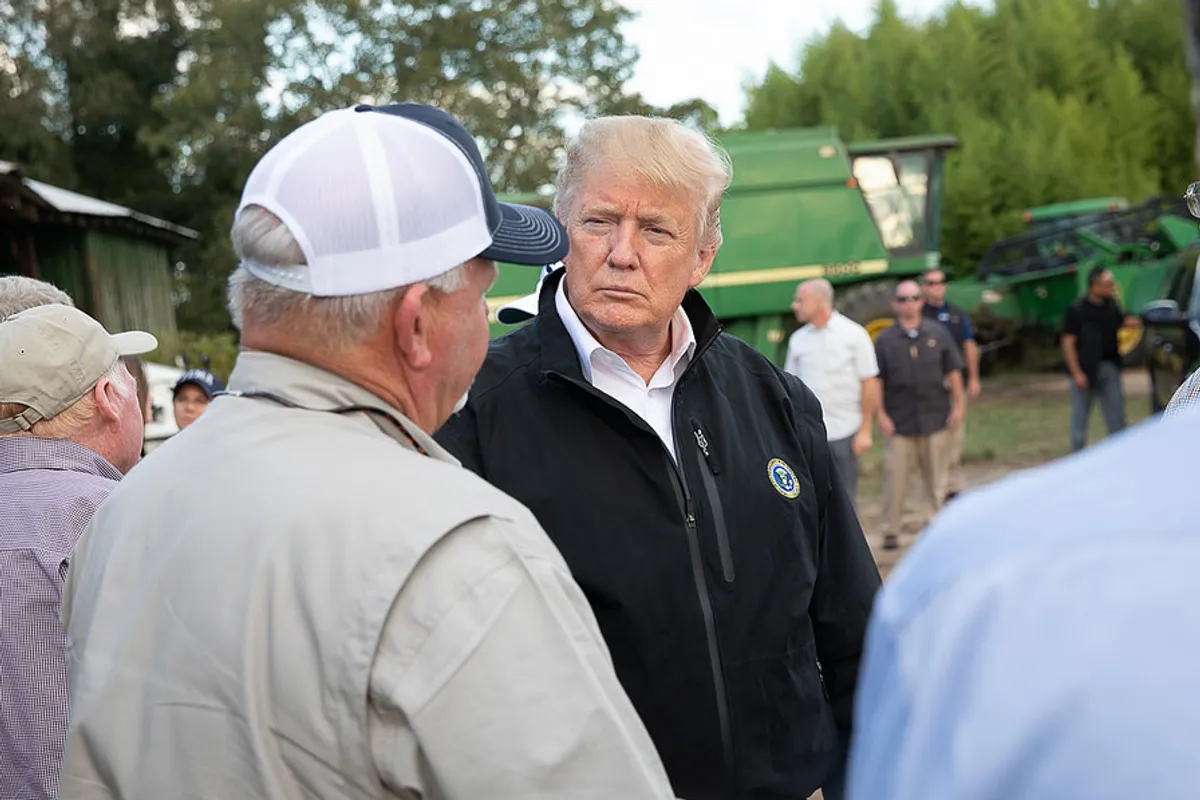
President Donald Trump wagered that importing more beef—at the expense of U.S. ranchers—would drive prices down enough to soften the political fallout from the ranching industry. According to a report by Politico, the gamble has not paid off.
"There's a lot of frustration and anger," said Glenn Brunkow, president of the nonpartisan Kansas Farm Bureau and a fifth-generation farmer and stockman in deeply Republican Pottawatomie County.
Beef prices have barely moved. U.S. ranchers—a core constituency of Trump's coalition—remain furious, and vulnerable Republicans in Iowa, Kansas, Nebraska, and Texas are scrambling to persuade rural voters to turn out in November as farmers "confront economic headwinds fueled by the president's policies."
Brunkow told Politico that Trump's August proclamation, which temporarily allowed cheaper beef imports from countries such as Brazil, cut $200 to $400 from the roughly $2,000 value of an American farmer's cow as producers competed in the same market—a reduction of 10 to 20 percent on the figures he cited. The gap he describes sits at the crux of the policy: the proclamation was aimed at retail prices, yet in his account the market reaction landed on what producers are paid rather than on what shoppers pay.
"We knew it wouldn't have much of an effect on the hamburger price in the store. But the markets took that news, and it really knocked the price we get for our cattle down," Brunkow said.
Compounding the strain, diesel prices have surged amid Trump's conflict with Iran and the resulting bottleneck in processed Middle East fuel supplies—adding an operating-cost squeeze on top of falling cattle receipts.
"[That] hit us with $6 diesel," Brunkow said. "This has been pretty, pretty tough to swallow."
Per Politico, Republicans from top beef-producing states, agriculture industry representatives, and administration officials—including Agriculture Secretary Brooke Rollins—warned Trump that the beef import plan would "hurt ranchers and imperil Republican candidates." Trump proceeded with the policy anyway.
The fallout is now eroding the president's farming coalition, as declining profits hollow out a reliably Republican part of his base.
"It wasn't worth the headache and what it did to the market," said Jenna Stanton, federal policy director at Western Skies Strategies. "It's doing exactly what we thought it was going to do, which was nothing."
Trump, however, is not backing down. "The White House isn't currently planning to scale back or end the proclamation early, allowing it to expire as intended in November, according to two people familiar with the plans who were granted anonymity to discuss them," Politico reports. That schedule places the proclamation's expiration and the midterm elections in the same month, leaving two open questions: whether shoppers see measurable relief at the register before the import window closes, and how rancher anger registers at the ballot box in beef country.
In many cases, sources said, the damage to American farmers has already been done.
"I just think it's had limited impact on consumer behavior, limited impact on family budgets. And it a … significant negative impact on producers," said a person close to the administration.

