National Black Farmers Association head calls Trump beef import plan 'a raw deal' that puts 'American farmers last'
Key Takeaways
- •Boyd said Trump’s beef import plan would damage American cattle producers and small farmers.
- •The White House has said the imported beef would come from Brazil, Argentina, Uruguay and Australia.
- •Boyd argued there is no assurance the plan will lower prices for consumers and said it may mainly benefit meatpackers.
- •He cited rising input costs, farm losses and a U.S. cattle herd at its lowest level since the early 1950s as signs of strain in the industry.
- •The import proposal has renewed congressional attention on restoring mandatory country-of-origin labeling for beef.
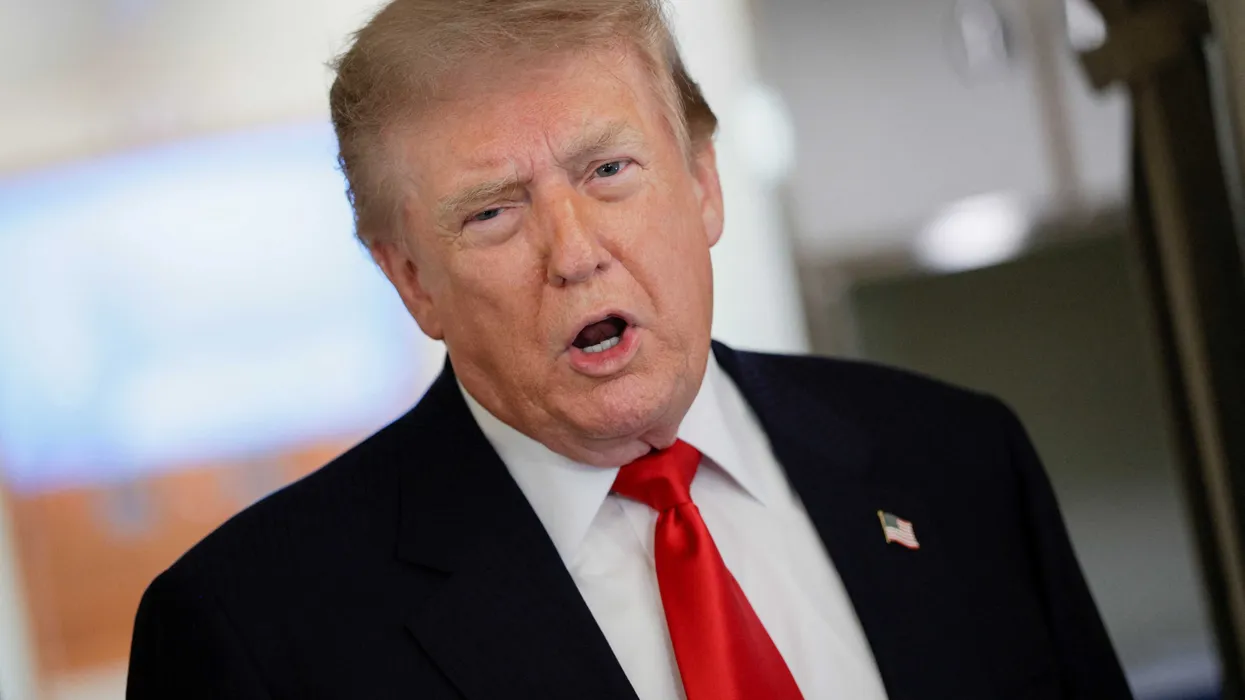
President Donald Trump's new plan to import hundreds of thousands of tons of beef will spell nothing but disaster for American producers, John Boyd Jr., a cattle and soybean farmer who leads the National Black Farmers Association, said Monday on MS NOW.
Boyd, who founded the association in 1995 and raises cattle near Baskerville, Virginia, has spent decades advocating for small and minority farmers in Washington. His remarks come as retail beef prices have climbed to repeated record highs this year — the pressure the administration has cited in pitching the import effort, which Trump initially described as starting with 40,000 metric tons and scaling up as needed.
"I believe that this is a raw deal," Boyd told anchor Katy Tur, noting that Trump "keeps making the announcement that he loves farmers, he loves cattlemen, and then undermines us with 300,000 metric tons of foreign beef that we don't even know where it's coming from."
The White House has said the beef would come from Brazil, Argentina, Uruguay and Australia under expanded import arrangements, though many operational details have not been spelled out.
Boyd also pointed to a significant U.S. recall of Argentinian beef imports as a warning sign. The USDA recall notice said the raw beef products had entered the country without the benefit of import reinspection, the agency's standard checkpoint for foreign meat.
"There's no guarantee that the American people are going to see any savings in the local grocery stores," Boyd said. "This is more about helping meatpackers, in my opinion. So he put the American farmers last."
Boyd added that the United States is losing an average of 77 farmers and cattlemen every day, with 300 farm foreclosures currently pending, and the administration is doing nothing about it. His daily-loss figure is consistent with the most recent Census of Agriculture, which counted roughly 140,000 fewer U.S. farms in 2022 than five years earlier, and federal court records show Chapter 12 family-farm bankruptcies rising again since 2024.
"As all this is going on," Boyd said, "we have the highest input cost in history due to this president's policies and his war with Iran. High fertilizer, high diesel fuel prices, $5 to $6 a gallon. And we never got over the impact of the president's tariffs. So here you have a ripple effect, in my opinion, for the first time in history for America's farmers going out, losing our farms every day, and the president makes another sour deal and punches the American farmers in the face."
If Trump genuinely wanted to help farmers, Boyd said, "they would start to invest more money in knowing beginning farmers and cattle farmers; it takes a year to have a calf. So they started. Right now we can make a huge dent in the cattle shortage. And that's the problem. There's a shortage in America." USDA's January inventory count put the U.S. cattle herd at its lowest level since the early 1950s, following years of drought and elevated costs that led many ranchers to cull their animals.
The import plan has also renewed attention on a push in Congress to restore mandatory country-of-origin labeling for beef, an issue producer groups have revived as import volumes draw fresh scrutiny.
The interview aired on MS NOW.

