Trump's Brazil Beef Deal Has Done Little to Lower US Food Prices, WSJ Reports
Key Takeaways
- •In late August, JBS co-controller Joesley Batista met with President Trump to discuss how expanded Brazilian beef shipments could reduce U.S. beef prices, a step requiring removal of a 26 percent import tax.
- •Trump subsequently announced a temporary quota allowing 300,000 metric tons of beef imports that he said would be sold at a 25 percent discount to market prices.
- •The American Farm Bureau Federation reports the import plan has produced little cost relief nationally, with consumer savings limited to a few cents at some grocery stores.
- •The USDA projects imports will reach a record 20 percent of U.S. beef supplies this year, up from a 10 to 15 percent range over the past decade.
- •Experts interviewed by AlterNet, including historian Elizabeth McKillen and former Clinton adviser Robert Shapiro, have raised concerns that tariffs invite presidential corruption and have urged tariff repeal as a direct price-relief measure.
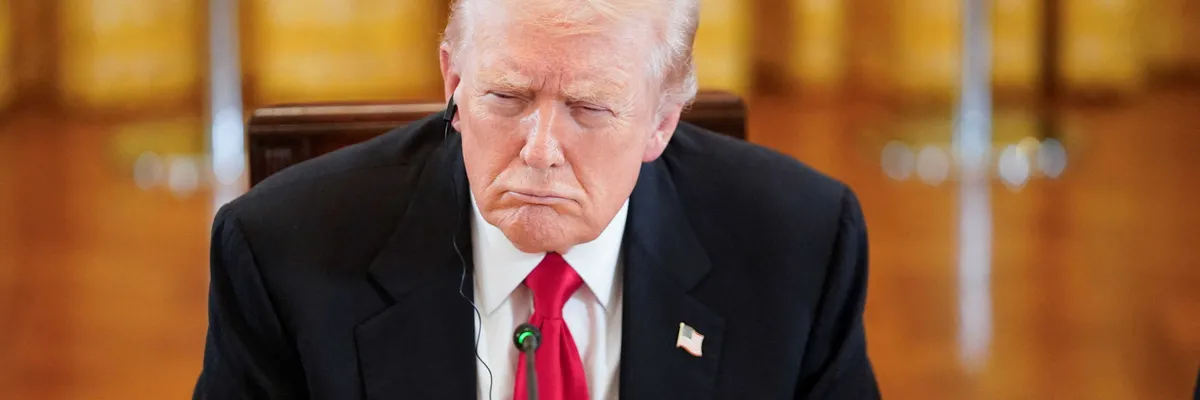
President Donald Trump's bid to lower American food prices through a deal with a Brazilian beef billionaire has so far produced little relief for consumers, according to reporting from The Wall Street Journal.
"Imports have drifted between 10 percent and 15 percent of the overall U.S. beef supply over the past decade, rising with the demand for fast-food burgers," reported the Journal's Patrick Thomas on Tuesday. "The USDA now estimates imports rising to a record 20 percent of U.S. beef supplies this year."
The climbing import share underscores how reliant the U.S. beef market has become on foreign supply, particularly for the ground beef behind fast-food burgers, and it explains why tariff policy has become a direct lever in the effort to restrain grocery prices.
Thomas wrote that in late August, Brazilian billionaire Joesley Batista, who shares control of JBS, the world's largest meatpacker, met with Trump in the Oval Office to discuss how additional beef from Brazil could lower U.S. beef prices. "To do that, though, Trump would have to drop a 26 percent import tax," he added.
The following day, Trump announced on social media a plan to temporarily allow 300,000 metric tons of beef imports into the United States, which the president said would be sold at a 25 percent discount to market prices. So far, there is little sign that the imports have lowered prices. The American Farm Bureau Federation, the largest farmer trade group, said Trump's plan has done little to bring down costs across the country, aside from a few cents in savings at some grocery stores. The gap between the promised 25 percent discount and those few cents of savings is central to why the initiative has produced so little visible relief at the register.
Trump's willingness to lower tariffs on Brazil in exchange for a bargain that helps him with a key voter bloc ahead of an election speaks to a deeper concern experts have raised about his protectionist policies.
Speaking to AlterNet in September, Dr. Elizabeth McKillen, professor emerita of history at the University of Maine, answered a question comparing tariffs under Trump to those of former President Grover Cleveland's 1894 era, when high tariffs were said to create a "communism of pelf."
"Tariffs lend themselves to corruption by the president," McKillen told AlterNet. "And certainly that was true back in Grover Cleveland's period, when many of the corporations worked with the presidents directly to try to extend their own wealth, and then the president was doing the same thing. So yes, I think it's true that tariffs lend themselves to Trump's corruption, certainly, and they have in certain other periods as well."
According to Dr. Robert J. Shapiro, a top economic adviser to former President Bill Clinton, Trump's tariffs have become so unpopular that they have fundamentally transformed the national conversation on trade policy.
"The party has shifted fundamentally on tariffs, and they're doing so because of the effects of the tariffs and because the tariffs are a signature Trump policy," Shapiro told AlterNet earlier this month. "Look, the most direct and easy-to-understand step the Democrats can take to address prices is to repeal all the tariffs in the first week. All the Trump tariffs, just repeal them. You pass a law, let him veto it, and then let's see whether you can get enough Republicans in the Senate to support it."
For consumers, the markers to watch from here are how quickly the 300,000 metric ton quota is filled, whether the 26 percent import tax is adjusted, and what future USDA data show about the import share, already projected at a record 20 percent this year.
The original report was published by AlterNet.

