Trump Amplifies ‘Traitor’ Attacks on Fired Lt. Gen. Brett Sylvia, Sharing Calls for Prison
Key Takeaways
- •Defense Secretary Pete Hegseth removed Lt. Gen. Brett Sylvia from the Pentagon's Joint Staff after he was accused of leaking classified information about Iran and Ukraine to the press.
- •President Trump shared Truth Social posts labeling Sylvia a traitor and calling for him to be sent to the military prison at Fort Leavenworth, without directly demanding incarceration himself.
- •The Pentagon has referred Sylvia's case to the Justice Department, though no supporting evidence has been publicly released and no criminal charges have been filed.
- •CBS News reported, citing a Pentagon official, that Sylvia failed three polygraph tests over the alleged leaks, while two other Pentagon sources disputed the accusations.
- •Sylvia's dismissal is part of Hegseth's broader effort to root out leaks, which has produced stricter rules for reporters and expanded polygraph testing within the department.
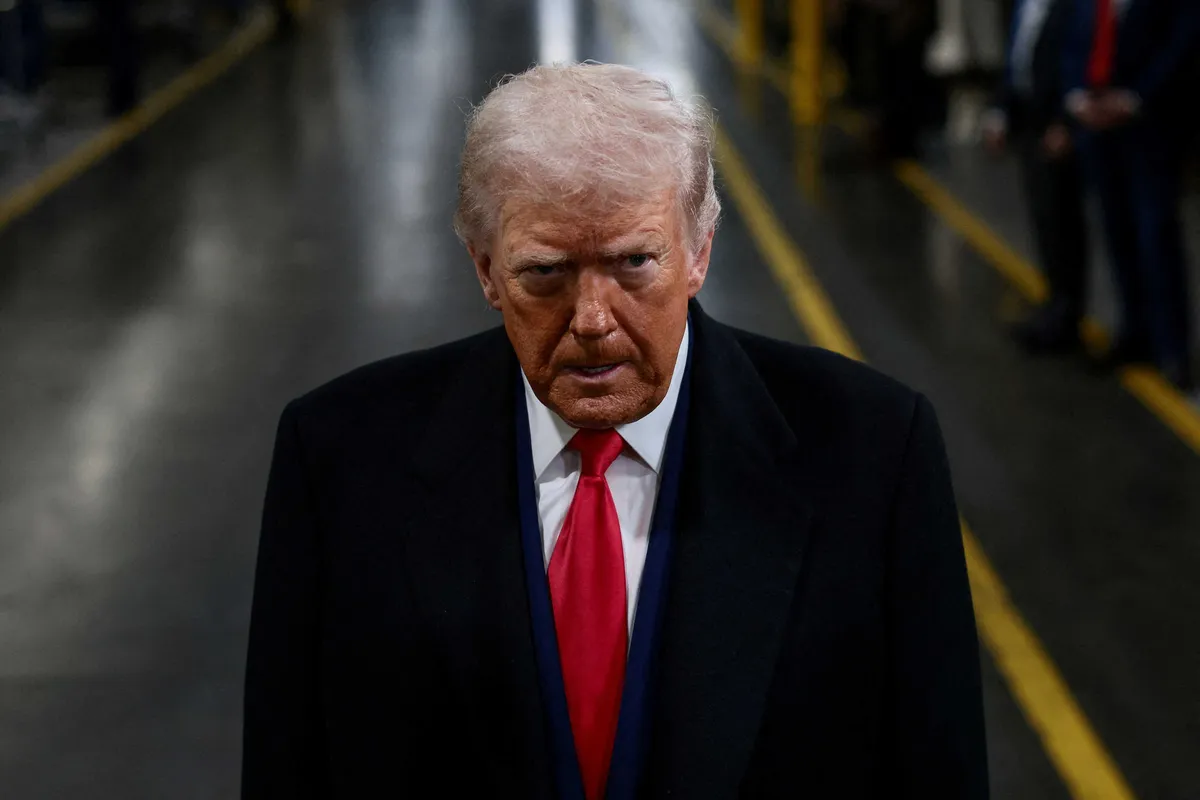
President Donald Trump has amplified attacks on a U.S. Army general caught up in Defense Secretary Pete Hegseth’s latest purge, sharing a social media post that branded the dismissed officer a traitor and demanded he be sent to prison.
The dispute centers on this week’s removal of Lt. Gen. Brett Sylvia, an Army strategist serving on the Pentagon’s Joint Staff, the senior military staff that supports the chairman of the Joint Chiefs of Staff. Hegseth ended Sylvia’s tenure after he was accused of passing classified details about Iran and Ukraine to the press.
On Friday, Trump posted two screenshots on Truth Social, his social media platform, showing conservative voices praising Hegseth’s decision and calling for the general to be prosecuted. In one such post, Sylvia was labeled a “traitor” who ought to be “sent to Leavenworth,” the military prison at Fort Leavenworth, Kansas, for personnel convicted by court-martial. While Trump did not directly demand incarceration, he placed the call for retribution before his followers.
Sylvia is the latest in a series of senior officers to depart the department since Hegseth assumed command nearly two years ago. A former commander of the 101st Airborne Division, Sylvia served as director for strategy, plans and policy on the Joint Staff.
According to The Washington Post, the Pentagon has referred the case to the Justice Department for any legal action it sees fit, though no supporting evidence has been publicly released. Pentagon spokesman Sean Parnell said an internal investigation led to the personnel action and that the department has zero tolerance for unauthorized disclosures of classified material.
CBS News cited a Pentagon official saying Sylvia failed three polygraph tests over the alleged leaks, but two other Pentagon sources disputed the accusations while still linking the dismissal to the tests.
The move is part of Hegseth’s drive to root out officials he believes are leaking classified information to news organizations, an effort that has produced stricter rules for reporters and expanded polygraph testing, a tool long used in federal security vetting.
Pressed on the allegations against Sylvia on Thursday, Trump said: “She’s going to have big problems. Long-term problems.” He appeared to be referring to the male general as a woman. The president added that the administration was looking for those who let sensitive information slip.
The Joint Staff initially issued a note of thanks for Sylvia’s 32 years in the military, then retracted it the following day, saying it did not accurately reflect the full circumstances. Sylvia, a recipient of the Bronze Star and Purple Heart for his service in Afghanistan, has not publicly addressed the allegations. One colleague told The Washington Post that Sylvia denied leaking classified information but acknowledged having dealings with reporters in the past.
Sylvia is not the first to leave under Hegseth: his predecessor in the same post, Lt. Gen. Joseph McGee, was forced to retire last year.
The case remains under investigation. A referral is not the same as criminal charges being filed, and it is unclear whether the Justice Department will bring a case against the general. Attention will now turn to whether federal prosecutors open a case and whether the Pentagon makes public any of the evidence behind the allegations.

