Republican Party in 'Dire Straits' as Trump Approval Ratings Plunge to Historic Lows, Reporter Warns
Key Takeaways
- •Three major polls — AP-NORC, Quinnipiac, and CNN — each recorded Trump's approval at or near all-time lows, ranging from 32 to 34 percent.
- •Trump's current approval levels approach but have not yet matched the so-called Bush Line, referring to George W. Bush's mid-20s ratings in late 2008.
- •Republicans had planned a summer turnaround tied to July 4th patriotism and lower gas prices, but those expectations have collapsed amid ongoing issues including the Iran war.
- •GOP midterm candidates face a strategic dilemma where distancing from Trump risks alienating his base while embracing him could repel swing voters.
- •Presidential approval below 40 percent has historically correlated with significant House seat losses for the incumbent party in midterm elections.
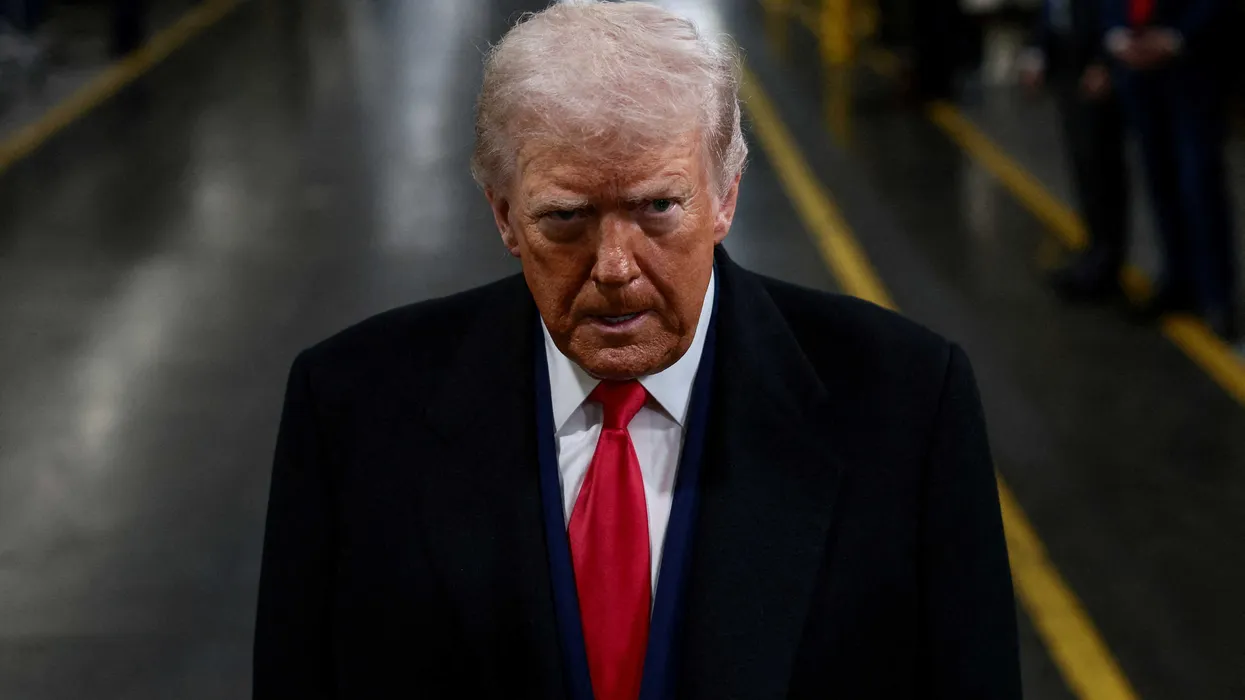
President Donald Trump's approval ratings have cratered to historically low levels, leaving the Republican Party in what one veteran journalist described as "absolutely dire straits" heading into the 2026 midterms, with no relief in sight.
Evan McMorris-Santoro, a national politics reporter who helped launch the outlet NOTUS, appeared on Molly Jong-Fast's political podcast "Fast Politics" this week to discuss the implications of the polling collapse. During the conversation, Jong-Fast compared Trump's current numbers to the "Bush Line" — a reference to former President George W. Bush's dismal approval ratings at the end of his second term, which fell into the mid-20s by late 2008 and turned him into a lame-duck figure that Republicans abandoned in large numbers.
According to Newsweek, three major polls released this past week showed Trump sinking to unprecedented lows. An AP-NORC poll found just 33 percent of registered voters approving of Trump's performance — the lowest reading of his second term. A Quinnipiac poll recorded 32 percent approval, the lowest figure the university has measured across both of Trump's presidencies. A CNN poll conducted by SSRS placed Trump's approval at 34 percent, tying the lowest point recorded during his first term.
Presidential approval ratings have historically served as a leading indicator for midterm outcomes, with the incumbent party typically losing House seats when the president's standing falls below 40 percent. The president's party has lost House seats in nearly every midterm election over the past half-century, and low approval levels tend to amplify those losses by depressing base turnout and pushing independents toward the opposition.
McMorris-Santoro noted that Trump has not yet reached the Bush Line — Bush's ratings fell into the 20s — but stressed that his abysmal standing has been "especially bad for the Republicans, because... their entire electoral project in 2026 is really like hinging on Trump."
Republicans had hoped for a turnaround over the summer, with particular emphasis on a strong July 4th period, McMorris-Santoro explained. Those plans have unraveled.
"I remember a few months ago, I was talking to some Republican strategists about the plan for the summer, you know, like what they were going to do," McMorris-Santoro recounted. "And some of them even said that they thought that maybe July 4th would be a highlight for them, that there should be this great moment where they could talk about, you know, America and being patriots and how unpatriotic the Democrats are and have this great divide. And they had sort of had this vision that this Iran war thing would kind of be behind them... and July would be a time when gas prices will be able to come down... And it would be like Trump will be back as a viable party leader for them, and really, this month has ended with them in absolutely dire straits."
He went on to describe Trump's numbers as "very, very bad," arguing that the party's deep alignment with the president has left midterm candidates nationwide "boxed in." Candidates cannot distance themselves from Trump without alienating his loyal base, yet embracing him risks alienating swing voters who oppose him, making the GOP brand appear more "toxic" in competitive races. The dynamic echoes challenges Republican incumbents faced in 2018, when Trump's low approval ratings corresponded with the party losing 40 House seats and control of the chamber.
"So, this is basically as good a position for the polls as Democrats could get, really," McMorris-Santoro added. "Like this is like what they really, really wanted to see happen as now happened. And there's more to come. I mean, you know, the thing is, the things that made the polls bad, like the Iran war and other things like that, those are still going on... There's no end in sight for these negative poll numbers."

