Former GOP Strategist Mike Madrid Sees Signs of How Much Lower Trump's Approval Can Sink
Key Takeaways
- •Mike Madrid said Trump’s current unpopularity has no strong historical parallel in modern politics.
- •Madrid said midterm elections tend to benefit Democrats because their coalition performs better in lower-turnout contests.
- •He argued that Republicans are better suited to high-turnout elections, while Democrats have gained an advantage in midterms.
- •Madrid noted that Trump does not appear to have an approval rating above 50 percent on any issue.
- •He said only about 24% to 25% of Americans believe the country is headed in the right direction, which he described as a warning sign for Trump.
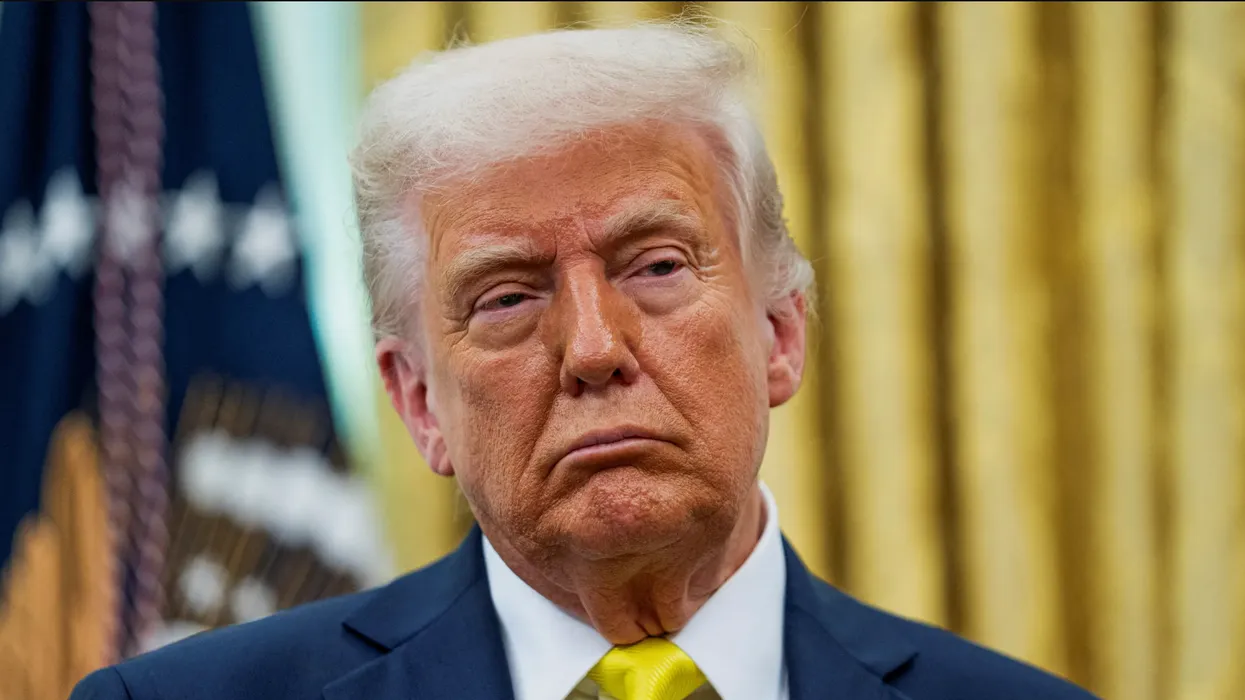
President Donald Trump's approval ratings have hit new lows in recent weeks, and according to one former GOP leader and strategist, there are signs indicating just how much further they could still drop.
Mike Madrid is a former GOP strategist and political director for the California Republican Party. A critic of Trump's takeover of the party, he helped co-found The Lincoln Project advocacy group and continues to speak out against the MAGA movement in various media appearances.
This week, he appeared as a guest on the latest edition of the "Fast Politics" podcast with host Molly Jong-Fast, where he discussed the deeply unpopular moves Trump is making — including his trade war with Canada and real war with Iran — as the midterm elections approach.
Drawing on recent poll results from various sources, Jong-Fast argued that there is "no historical precedent for a president that's unpopular in modern [times]." When she pressed Madrid on whether Trump's standing was closer to George W. Bush after Hurricane Katrina or Richard Nixon just before his resignation, he agreed that "there aren't really historical parallels" for Trump's unpopularity.
Madrid further explained why the situation heading into the midterms continues to favor Democrats, based on the kinds of elections each party has come to thrive in. Midterms typically draw a different electorate than presidential years, and Madrid said the contrast matters because each party's coalition has increasingly aligned with the turnout patterns it prefers.
"Republicans, by their constitution now, are the beneficiaries of high turnout elections because their base has gotten less educated, less informed on issues, and less engaged, lower propensity, as we call them, in the trade," he explained. "Democrats have been winning these lower-turnout elections, which are midterms, and doing better, outperforming because their coalition has become more college-educated, more informed, and more, frankly, more rabid at the idea of getting rid of Donald Trump and the Republicans. So, it begins structurally advantaging Democrats, but then you add on the fact that literally nothing is going well for Trump and the Republicans."
Madrid noted that the poor environment for Republicans can be seen in the fact that Trump appears not to have an approval rating above 50 percent on any issue, leaving the party with little to fall back on with voters. He also stressed the significance of the fact that the number of "people who believe the country is heading in the right direction is sitting at about 24, 25 [percent]."
"So there's a big gap between how people feel [about] what the country is doing, and who he is," Madrid said. "That's an even bigger warning sign, which means there's more floor to drop out as opposed to ceiling to rise."
Source: Alternet
