Trump Approval Drops to 33% as Economic Concerns Weigh on Support
Key Takeaways
- •Trump's approval rating fell to 33%, the lowest level recorded by the Financial Times.
- •Approval among Republican voters declined from 81% to 72% over the course of the year.
- •57% of Americans say they are worse off under Trump, up from 53% the previous month, and nearly two-thirds believe the country is heading in the wrong direction.
- •Approval of Trump's handling of the economy fell 8 percentage points in a single month.
- •Weak approval ratings could disadvantage congressional candidates ahead of the 2026 midterm elections, as the president's party historically loses seats in midterm cycles.
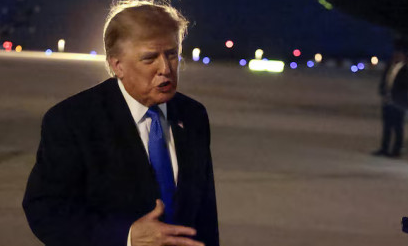
President Donald Trump's approval rating has fallen to 33%, the lowest level recorded by the Financial Times, as growing concerns over the U.S. economy place increasing pressure on public support, according to figures highlighted by Coin Bureau on X.
The decline extends beyond Trump's broader electorate. Approval among Republican voters has slipped from 81% to 72% this year, while 57% of Americans now say they are worse off under Trump, up from 53% the previous month. Nearly two-thirds of respondents also believe the country is moving in the wrong direction.
Economic Concerns Pressure Trump's Support
The figures point to economic performance as a central source of dissatisfaction with the administration. The deterioration in perceptions of Trump's economic record has reached his Republican base as well, with approval of his handling of the economy falling 8 points in a single month.
The Financial Times poll, conducted by Focaldata, comes as the administration faces continued scrutiny over household finances, inflation, and the broader cost of living. The survey found that 57% of voters considered themselves financially worse off, reinforcing concerns that economic conditions are becoming a political liability for the White House.
The shift is significant because economic sentiment has historically played an important role in U.S. presidential approval and voting behavior. Previous polling has likewise shown that Trump's ratings on economic issues have frequently trailed his overall job approval, with voters expressing concern about prices and household affordability.
The 33% reading also places Trump in territory familiar from historical approval benchmarks: during his first term, major national trackers such as Gallup recorded Trump approval in the mid-30s at its lowest points, levels that placed him among the least-approved modern presidents at comparable stages. Readings in the low 30s are rarer still, historically associated with presidents facing severe political headwinds.
Political Implications Ahead of the Midterms
Trump's weakening approval among Republicans could have broader consequences as the 2026 midterm elections approach. While a single poll does not determine electoral outcomes, declining confidence within a president's own party can affect the political environment for congressional candidates and shape the issues that dominate the campaign. The president's party has historically lost congressional seats in most midterm cycles, and weak approval ratings tend to amplify that pattern rather than reverse it.
For financial markets, political uncertainty can also become relevant when approval trends intersect with fiscal, trade, and economic policy. Investors will be watching whether deteriorating economic sentiment translates into changes in policy priorities or congressional dynamics.
The immediate focus now turns to whether the administration can reverse the deterioration in economic confidence before voters head to the polls. The next round of major national polling will provide a clearer indication of whether the 33% approval reading represents a temporary low or a broader shift in Trump's political standing.
Source: Hokanews

