Trump Lawyers Appeal Sanctions and Gag Order, Calling Judge's Rulings an 'Extraordinary Abuse'
Key Takeaways
- •Trump’s lawyers asked the 11th Circuit to pause both the sanctions and the gag order while the appeal is reviewed.
- •The dispute stems from a lawsuit over the disclosure of Trump family tax-return information and a claimed settlement with the IRS and Treasury.
- •Judge Kathleen Williams rejected the settlement, imposed sanctions, referred Alejandro Brito to the Florida Bar, and barred Daniel Epstein from admission in the Southern District of Florida for one year.
- •The appeal argues that the district court lacked proof of collusion or bad faith and that the gag order is unconstitutional.
- •The 11th Circuit has not yet set a briefing schedule or said whether it will grant the requested emergency stay.
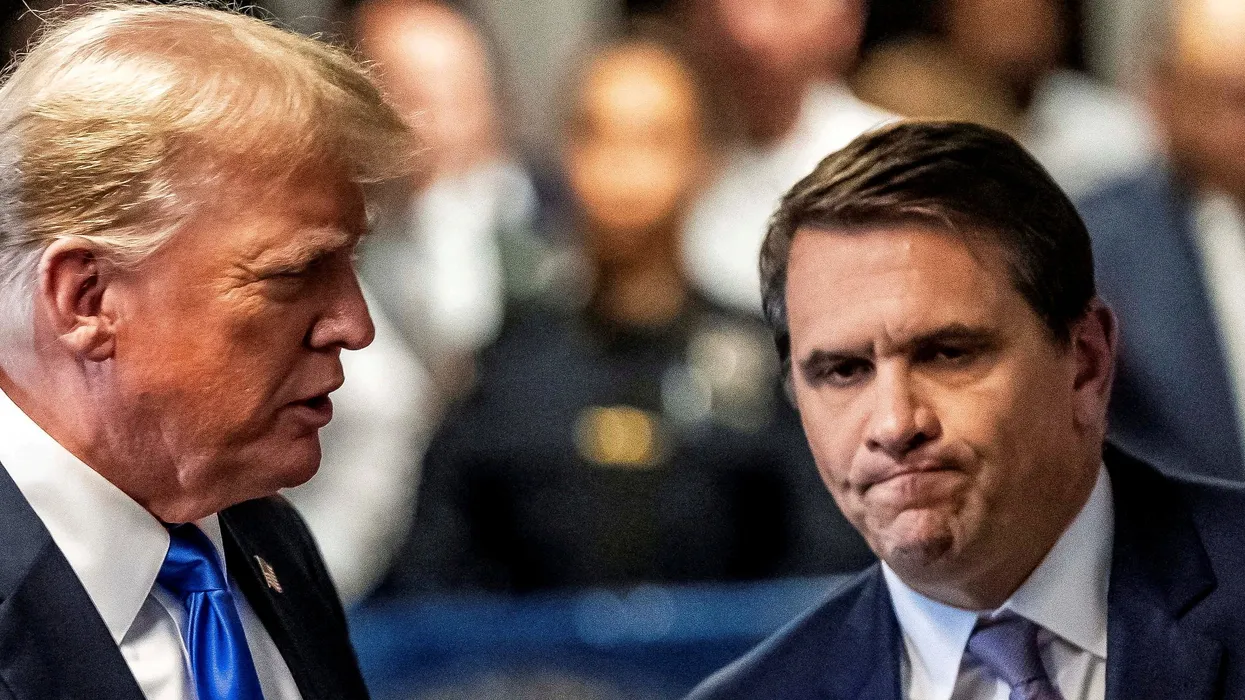
Lawyers for President Donald J. Trump have filed an appeal with the 11th Circuit Court of Appeals, alleging that a federal district judge engaged in an "extraordinary abuse" of her sanctions power when she penalized the president's legal team and imposed a gag order in a lawsuit against the IRS.
The appeal, filed Wednesday, asks the appellate court to pause both the sanctions and the gag order while the case is under review, according to Law&Crime. The filing escalates a legal battle centered on a nearly $1.8 billion "anti-weaponization fund" that the Trump administration created through an agreement between the Justice Department and the IRS, designed to compensate individuals who believe they were wronged by prior administrations.
The fund has already drawn claims from dozens of January 6 defendants seeking millions of dollars in compensation, including individuals who have been found guilty or pleaded guilty, as The Guardian reported.
The underlying dispute began when Trump sued the IRS in the Southern District of Florida after his tax returns, along with those of more than 400,000 other individuals, were exposed in a data breach. In his January filing, Trump demanded $10 billion in damages. He subsequently announced that he had reached a "settlement" with the U.S. government — the same government he leads as president.
U.S. District Judge Kathleen Williams rejected the arrangement in her July ruling. She determined that no legitimate "settlement" could exist under these circumstances and issued sanctions against the lawyers involved. The case presents a rare constitutional scenario: a sitting president controlling the executive branch on both sides of a dispute, raising questions about whether Article III's requirement of genuine adversity between parties can be satisfied when the plaintiff and the defendant's ultimate supervisor are the same person.
Williams found that "sanctions are appropriate here" and referred Trump's personal attorney Alejandro Brito to the Florida Bar for "its consideration, review, and determination as to whether any disciplinary action is appropriate in light of the findings and rulings made in this order." Such referrals can initiate a state bar investigation that, depending on its outcome, may result in consequences ranging from a reprimand to suspension or disbarment. She also barred another Trump lawyer, Daniel Epstein, from seeking admission to practice law in the Southern District of Florida for one year.
Williams further criticized acting U.S. Attorney General Todd Blanche's "apparent capacity to speak for both plaintiffs and defendants, sign a 'settlement' document on behalf of all parties to this action, and then repudiate part of that agreement," saying this demonstrated "that there was only one party whose interests were being represented throughout this case."
The judge also issued an injunction restricting Trump, the government, their lawyers, and certain related individuals from discussing or invoking the settlement agreement.
In their appeal brief, Trump's lawyers argue that the district court lacked authority to issue sanctions and had no "proof of collusion and bad faith." The filing characterizes the gag order as a "sweeping, unconstitutional, and unlawful" measure that targets the sitting president.
"This appeal arises from the district court's extraordinary abuse of its sanctions power," the filing states. "In this action, Plaintiffs President Donald J. Trump, Donald J. Trump Jr., Eric Trump, and The Trump Organization, LLC sued the Internal Revenue Service and the Department of the Treasury, pursuant to a congressionally-authorized remedy, over the undeniably unauthorized and illegal disclosure of their confidential tax-return information to the press."
"After reaching a settlement with the IRS and Treasury, Plaintiffs voluntarily dismissed the action, which the court so-ordered," the brief adds.
The lawyers argue that "the injunction categorically forbids Movants from even 'referring to' the Settlement Agreement, and separately bars any use of its provisions in official proceedings." They contend that "that gag order wrongly silences the sitting President, the Government, private parties, and counsel on a matter of obvious public concern at a politically consequential moment — and denies the public the right to hear their views."
The appeal asserts that any gag order against a sitting president is unconstitutional and that the penalties imposed on the lawyers threaten their professional careers.
The legal team further argues that the judge's core error was assuming Trump could not sue the government because he oversees it. They contend he was acting in a private capacity. The brief states that the sanctions "flowed from a single predicate legal error: that presidential supervision under Article II supposedly eliminated Article III adversity."
Williams's central concern, however, was not the lawsuit itself but rather the arrangement by which Trump — as president — effectively controlled both sides of a settlement with himself.
The 11th Circuit, which hears appeals from federal district courts in Florida, Georgia, and Alabama, has not yet set a briefing schedule or indicated whether it will grant the emergency stay requested by Trump's legal team. The appellate court's ruling on the stay request may offer an early signal of how the panel views the novel separation-of-powers questions at the center of the dispute.
Separately, IRS employees have filed suit over the anti-weaponization fund, alleging that the agreement contains a hidden legal trap.
