Rick Wilson Outlines 'Legal Framework' Being Explored for a Potential Trump 2028 Third-Term Run
Key Takeaways
- •Rick Wilson disclosed that Trump allies are actively working to construct a legal framework arguing that because the 2020 election was invalid, the 22nd Amendment's two-term limit does not apply.
- •Repealing or amending the 22nd Amendment would require a two-thirds vote in both chambers of Congress or a constitutional convention, followed by ratification from three-fourths of all states.
- •Trump recently claimed China compromised 220 million voter files in the largest election data breach in history, assertions the New York Times characterized as overstated or disconnected from reality.
- •A March 2021 federal intelligence report found no evidence that any foreign actor attempted to alter any technical aspect of the voting process in the 2020 U.S. elections.
- •Former principal deputy director of national intelligence Sue Gordon criticized Trump's speech as dangerous, noting he had a full presidential term to address any election security concerns.
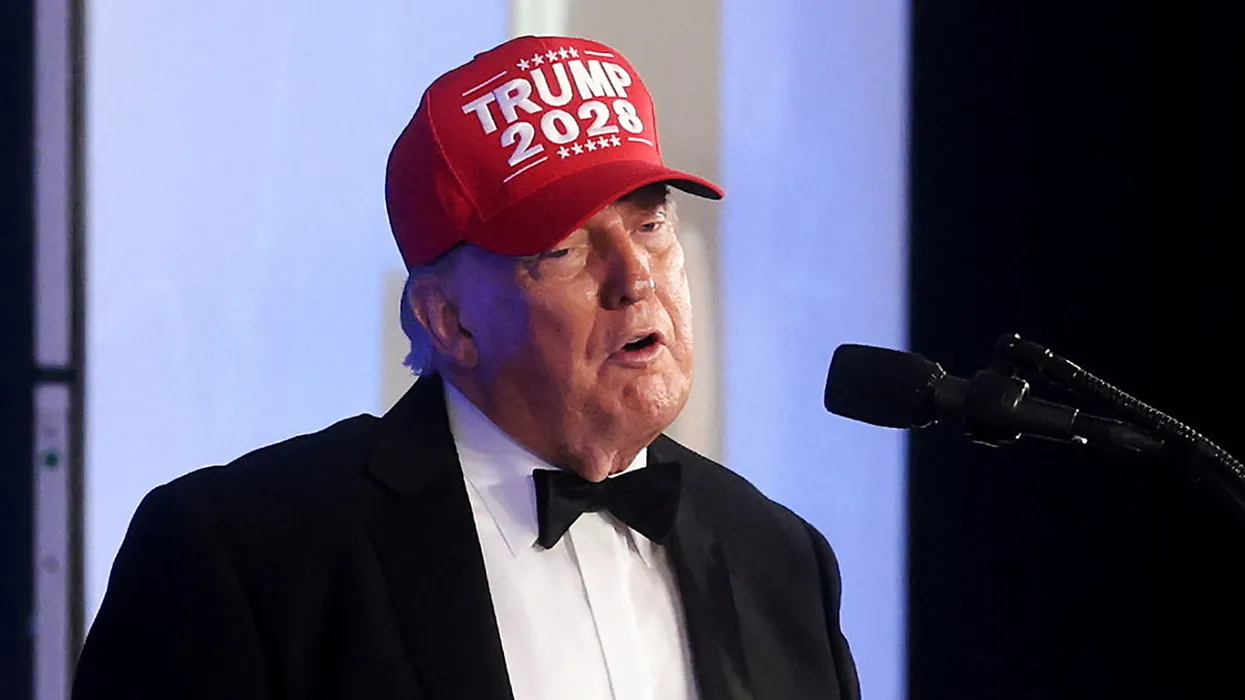
Former Republican strategist and Lincoln Project co-founder Rick Wilson said Friday that allies of President Donald Trump are actively exploring a legal pathway to enable him to seek a third term, despite the clear prohibition in the 22nd Amendment to the U.S. Constitution, which states: "No person shall be elected to the office of the President more than twice."
The amendment, ratified in 1951 following Franklin D. Roosevelt's unprecedented four elections, established presidential term limits as a constitutional guardrail. Repealing or amending it would require either a two-thirds vote in both chambers of Congress or a constitutional convention called by two-thirds of state legislatures, followed by ratification from three-fourths of the states — a threshold no amendment has cleared in more than three decades.
Speaking with Maddie Hale, Wilson disclosed that "there are people right now exploring how they get the legal framework" for a Trump third-term bid. He described a network of "elected officials and think tank officials and people in this election denier legal community around Trump" who are working to construct an argument that "the 2020 election was invalid, therefore the 22nd Amendment is invalid."
"That's their current, sort of, winding but explicable legal thinking," Wilson added.
Wilson suggested that this effort is connected to a widely criticized speech Trump delivered last month in which he accused China of interfering in the 2020 presidential election. According to the New York Times, Trump claimed China "carried out 'the largest compromise of election data in history' starting with the 2020 cycle, illicitly collecting 220 million voter files 'over a period of years.'" The Times characterized several of Trump's assertions as "either overstated or untethered from reality," noting that the Trump administration's own published documents were "far more measured and reserved in their judgments about China and other election security issues."
Trump also used the address to promote his SAVE America Act, a restrictive voter ID bill that has stalled in Congress due to insufficient Republican support.
As the Associated Press reported, election security experts emphasize that America's decentralized voting system — with election authority residing primarily with the states rather than the federal government — serves as a safeguard. Americans vote across more than 10,000 jurisdictions with varying rules, making the system complex but resilient against widespread fraud. The AP noted that "no credible evidence" demonstrates foreign actors successfully manipulated the 2020 presidential election, which took place during Trump's first term.
A March 2021 federal intelligence report corroborated that assessment, stating there were "no indications that any foreign actor attempted to alter any technical aspect of the voting process in the 2020 US elections, including voter registration, casting ballots, vote tabulation or reporting results."
Former intelligence officials, including Sue Gordon, who served as principal deputy director of national intelligence during Trump's first term, called the president's speech "dangerous." Speaking to CNN, Gordon said: "He had an entire term to deal with it."
NPR reported that the 25-minute primetime address failed to present any new evidence of "a single fraudulent vote cast in any election."

