Trump Super PAC Spends $827,000 to Reinforce Lindsey Graham After South Carolina Primary Win
Key Takeaways
- •A Trump-aligned super PAC spent more than $827,000 supporting Lindsey Graham in South Carolina's Republican Senate race.
- •Graham had already won the Republican nomination earlier this year after a competitive primary.
- •The new spending is viewed as reinforcing Graham's standing and reducing Ralph Norman's prospects.
- •Graham has represented South Carolina in the Senate since 2003 and is seeking re-election this year.
- •South Carolina's Republican tilt makes the party nomination the key stage in its Senate contests.
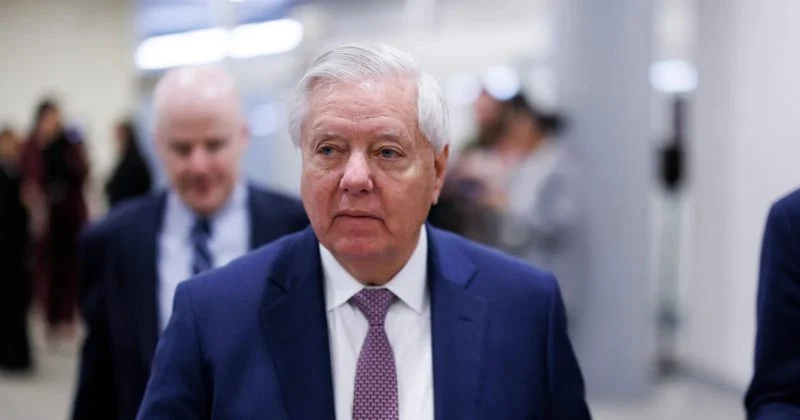
A super PAC aligned with Donald Trump has spent more than $827,000 to support Senator Lindsey Graham in South Carolina's Republican Senate race, a significant development that comes even though the incumbent had already secured his party's nomination earlier this year.
The financial backing underscores the continued support from Trump-aligned groups for Graham, who had faced a competitive primary field. The latest polling before the contest indicated a close race, but Graham's decisive victory made the subsequent infusion of outside money particularly notable. The expenditure suggests a deliberate strategic decision to reinforce Graham's competitive position against any lingering or future political challenges. Support from Trump and organizations aligned with him has been among the most sought-after assets in Republican primary contests in recent cycles, which adds weight to the decision to spend on a race whose nomination fight had already concluded.
Graham, South Carolina's senior senator, was first elected to the Senate in 2002 and has represented the state since 2003, following earlier service in the House of Representatives. A longtime member of the Senate Judiciary and Armed Services Committees, he is seeking re-election with his seat on the ballot in this year's midterm elections. His relationship with Trump has shifted over the years, from sharp critic during the 2016 Republican presidential primary to consistent ally in the Senate, a trajectory that frames the significance of the current support from Trump-aligned groups.
The new spending appears to indicate solidified support for the incumbent, consistent with a decrease in the chances of Representative Ralph Norman, the South Carolina Republican who has represented the state's 5th Congressional District since 2017 and is a member of the conservative House Freedom Caucus. The financial backing is seen as reinforcing Graham's standing in the South Carolina political landscape in the aftermath of the primary. South Carolina's strongly Republican tilt in federal elections — the state has backed the Republican presidential nominee in every contest since 1980 — means the Republican nomination often functions as the most consequential stage in the state's Senate races, heightening the significance of intra-party maneuvering at this point in the cycle.
Market pricing suggests a shift in perception following the expenditure, potentially lowering expectations for Norman's nomination prospects.
Super PACs of this kind, a product of the Supreme Court's 2010 Citizens United v. Federal Election Commission decision and the court rulings that followed it, are permitted to raise and spend unlimited sums in support of candidates, provided they operate independently and do not coordinate directly with the campaigns they back. Unlike some nonprofit groups active in politics, super PACs disclose their donors in regular filings with the Federal Election Commission, making outlays such as the more than $827,000 spent on Graham's behalf publicly traceable.
Looking ahead, observers will be watching for any further endorsements or financial contributions from influential political figures or organizations in South Carolina. Markets may also be attentive to any new polling data that could affect the perceived momentum of candidates such as Norman ahead of November's general election. Further developments in Trump's political maneuvers could continue to shape the market's outlook on the Republican Senate nominee race.

