White House Aides Intervened to Curb Trump's Press Ban Plans, WSJ Reports
Key Takeaways
- •White House officials persuaded President Trump to abandon more aggressive measures against media outlets after warning that his ban on certain news organizations would backfire.
- •The Wall Street Journal reported that Trump banned MS NOW, CNN, and from the White House, surprising many officials and cutting the outlets off from briefings, events, and direct exchanges with officials.
- •Trump's frustrations grew while Chief of Staff Susie Wiles was in Florida and Press Secretary Karoline Leavitt had recently resigned, leaving the administration without its two main points of contact with the press corps.
- •According to the Journal, Trump faces falling approval ratings, setbacks including the Supreme Court's mail-in voting ruling and the Federal Reserve's rate increase, and warnings that the unpopular Iran war is dampening Republican enthusiasm ahead of the midterms.
- •Trump has asked advisers to pursue foreign policy victories—reflected in his United Nations address and his meeting with Xi Jinping—even though polls show voters are more focused on domestic affairs.
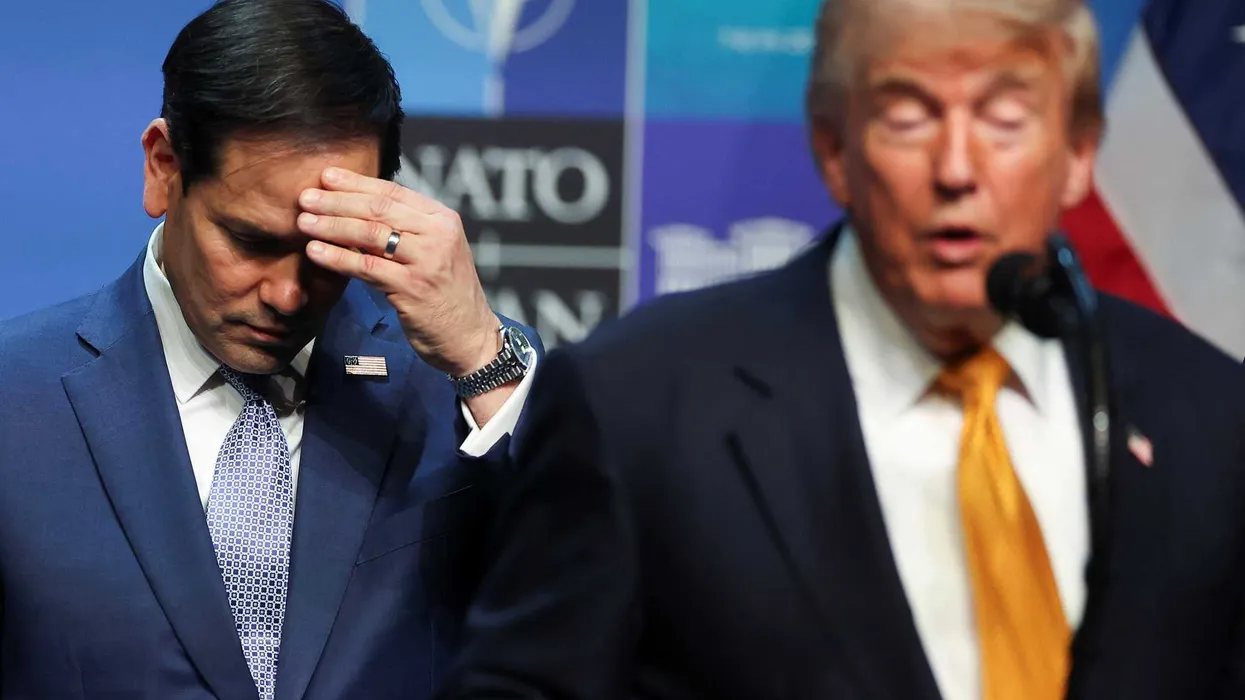
White House officials revealed this week that they had to intervene to stop President Donald Trump from taking more "aggressive measures" against media outlets he views as adversaries. According to reporting by the Wall Street Journal, the president's aides warned him that his decision to ban certain news organizations from the White House would backfire and persuaded him to change course.
"Behind the scenes," reports the Journal, "the president has told aides he doesn't have enough political allies defending him on television and making the case for his second-term achievements, according to people familiar with the matter."
The president's frustrations grew over the past week, a stretch that coincided with the absence of two key advisers: White House Chief of Staff Susie Wiles was in Florida, and Press Secretary Karoline Leavitt had recently resigned. Those two roles are typically the White House's most direct points of contact with the press corps — the chief of staff overseeing strategy and staff, the press secretary serving as the administration's daily spokesperson.
Trump's decision to ban MS NOW, CNN, and Politico from the White House caught many officials by surprise, according to people familiar with the situation who spoke with the Journal. "One senior administration official reacted with exasperation to the decision, arguing that the move would do little to achieve the president's goal of improving press coverage," the paper writes. The stakes are practical as well as symbolic: an outlet barred from the building is cut off from the settings — briefings, events, direct exchanges with officials — where much of the firsthand reporting on a president is gathered.
The president has discussed banning news outlets from the White House before, according to people close to the White House. But aides have steered him toward less aggressive measures, such as blocking reporters from the Oval Office or limiting their participation in the pool of reporters that covers the president when he holds events in spaces too small for the entire press corps. The Journal's account does not specify what narrower restrictions, if any, MS NOW, CNN, and Politico will ultimately face.
Some Trump allies have openly disapproved of the press ban. Among them is Ari Fleischer, White House press secretary under President George W. Bush and a frequent defender of the president, who posted: "Banning them from the WH is not the solution."
According to the Journal, Trump's frustration is mounting after a "wave of setbacks." These include revelations that a Russian oligarch paid for Donald Trump Jr.'s lavish wedding afterparty in the Bahamas, the Supreme Court's decision to block his attack on mail-in voting, and the Federal Reserve's move to raise interest rates to curb inflation.
Trump is also "grappling with falling approval ratings and the prospect of Republican losses in the coming midterm elections driven in part by the unpopular war in Iran, which has further frustrated voters by driving up energy prices." The Journal reports that "the president has been briefed on the headwinds facing Republicans in the midterms, and advisers have told him that the Iran war is a drag on his conservative base's enthusiasm ahead of the election." Midterm elections, held midway through a president's four-year term, determine the composition of Congress.
In Trump's estimation, the solution lies in having more of his allies his message on television — even as Republican candidates across the country rush to distance themselves from him. Officials also told the Journal that Trump "asked his advisers to look for more foreign policy victories that he could tout ahead of the midterms." His address to the United Nations General Assembly in New York and his meeting this week with Chinese leader Xi Jinping at the White House reflect that effort.
"Though Trump sees foreign policy as a legacy-defining issue for him, polls show that voters are more focused on domestic affairs," the Journal reports.

