Trump Administration Developing New AI Chip Restrictions to Block Chinese Remote Access
Key Takeaways
- •The reported restrictions would extend U.S. export controls beyond physical chip shipments to cover how advanced chips are used once installed abroad, including remote access via cloud services.
- •Existing Commerce Department rules, tightened in stages since 2022, have already required U.S. chipmakers such as Nvidia to obtain licenses or redesign products for the Chinese market.
- •The new measures are expected to further strain U.S.-China relations and affect the operations and strategic plans of major Chinese technology firms, including Alibaba.
- •Alibaba remains named on the Pentagon's Section 1260H list of Chinese military companies, a disclosure requirement rather than an outright ban, and the new restrictions may reduce its chances of removal.
- •Prediction-market pricing for Alibaba's removal from the list by June 30, 2027 has stayed relatively stable, with YES pricing slipping slightly from 18% to 17.5%.
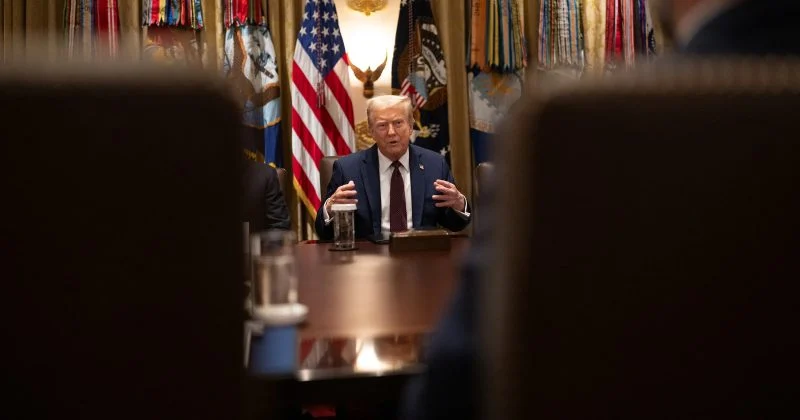
The Trump administration is reportedly developing new restrictions aimed at preventing Chinese companies from remotely accessing advanced AI chips housed in overseas data centers. The initiative is viewed as part of ongoing U.S. efforts to limit China's technological advancement and safeguard national security.
The move is expected to further strain U.S.-China relations, which are already tense over a range of economic and military disputes. Major Chinese technology firms, including Alibaba, are likely to feel the impact, with potential consequences for their operations and strategic plans.
The reported plan would extend an already sweeping U.S. export-control regime. Since 2022, the Commerce Department has imposed progressively tighter restrictions on shipments of advanced AI chips and semiconductor manufacturing equipment to China, with the measures expanded in 2023 and 2024. Those rules have repeatedly required U.S. chipmakers, most prominently Nvidia, to obtain licenses for China-bound sales or to redesign products for that market.
Those existing measures, however, govern the physical movement of hardware. The reported plan would extend the regime's reach to how advanced chips are used once they are already installed abroad, a channel through which computing power can be accessed without a restricted chip ever being shipped to China. Cloud services make it possible to rent advanced computing capacity in another country, and closing that gap is what the new restrictions appear designed to do.
The new restrictions also intersect with the Pentagon's list of 'Chinese military companies,' maintained under Section 1260H of the 2024 National Defense Authorization Act, which names firms the U.S. government links to China's military modernization. Alibaba appears on the list, and its potential removal has become a subject of prediction-market trading. Listing under 1260H is a disclosure requirement rather than an outright ban, but it is a public marker of U.S. scrutiny, and the prediction-market activity around Alibaba's status illustrates how closely investors follow it.
Key Takeaways
- The Trump administration's new AI chip restrictions appear to signal an increase in U.S.-China tensions, which may negatively impact Alibaba's chances of removal from the Chinese Military Companies list.
- Prediction-market pricing for Alibaba's removal by June 30, 2027 remains relatively stable, with YES pricing slipping slightly from 18% to 17.5%.
- The restrictions could indicate heightened scrutiny by U.S. authorities of Chinese companies' technological capabilities and their perceived military links.
What to Watch
Observers should monitor any official announcements from the U.S. government regarding the implementation of these AI chip restrictions, including how compliance would be verified with the overseas data centers and cloud providers that host advanced chips. Developments in U.S.-China diplomatic relations could further influence market perceptions of whether companies such as Alibaba will be removed from the military companies list. Statements or actions from Alibaba and other Chinese tech firms may also offer insight into how they plan to navigate the new constraints.

