Trump Administration Appeals After Judge Rejects $400 Million TikTok Child-Privacy Settlement
Key Takeaways
- •The Trump Justice Department is appealing Judge George Wu's rejection of a settlement that would have vacated TikTok's 2019 Federal Trade Commission consent order, moving the case to the Ninth Circuit.
- •The 2019 order required TikTok to pay $5 million and imposed compliance conditions after its predecessor, Musical.ly, was accused of collecting personal information from children under 13 without verifiable parental consent, and it would otherwise remain in force until 2039.
- •The rejected settlement, valued at roughly $400 million, would have resolved a 2024 Justice Department complaint alleging TikTok allowed children 12 and under to circumvent its 'Kids Mode' restrictions on data collection.
- •Judge Wu ruled that TikTok's ownership change, in which ByteDance sold U.S. operations to a joint venture including Oracle, did not eliminate the company's obligations under the Children's Online Privacy Protection Act.
- •Wu had allowed the Justice Department to amend and refile its settlement request, but the administration declined and said it would appeal instead.
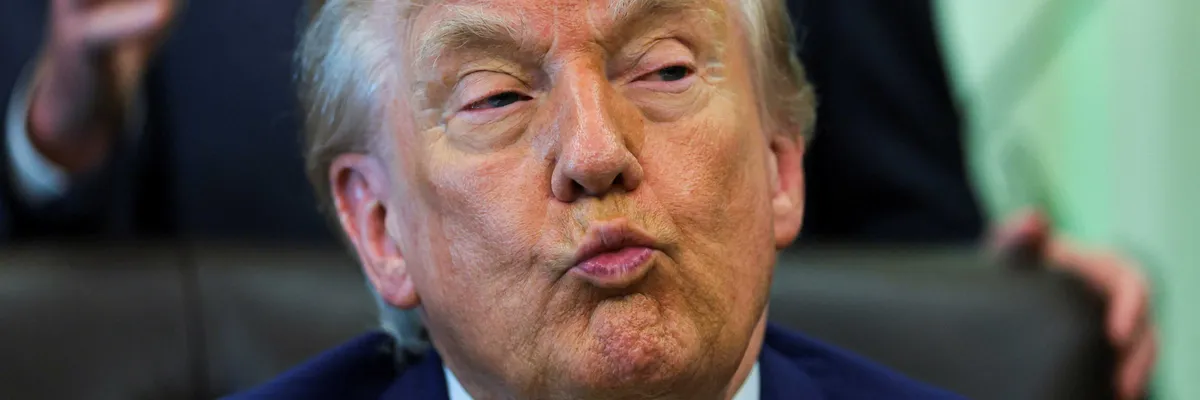
According to MediaPost, President Donald Trump's administration is appealing a federal judge's rejection of a proposed settlement with TikTok over allegations that the app violated the Children's Online Privacy Protection Act.
The agreement under challenge would have vacated a 2019 settlement between TikTok and the Federal Trade Commission (FTC) over charges that the platform's predecessor, Musical.ly, violated the same law by collecting personal information from users younger than 13. The Children's Online Privacy Protection Act, a 1998 federal statute enforced by the FTC, bars online services from knowingly collecting personal information from children under 13 without verifiable parental consent.
"Last month, U.S. District Court Judge George Wu in the Central District of California refused to approve the agreement, writing that the government failed to prove the 2019 order should be set aside," MediaPost reported. "That order required TikTok to pay $5 million and comply with numerous conditions going forward." Under the FTC Act, consent orders of this kind expire after 20 years, meaning the 2019 agreement would otherwise have remained in force until 2039.
The Trump Justice Department, in its bid to scrap the deal, argued that those conditions were "no longer necessary to serve the public interest." The government claimed the earlier settlement grew out of practices at Musical.ly, as opposed to "the TikTok platform as it exists and operates today."
The ownership question added a political dimension. ByteDance sold TikTok's U.S. operations to a joint venture of investors that includes Oracle, the company run by Larry Ellison — a Trump ally who has been acquiring centrist news outlets for an expanding media empire. Critics say that empire will be incapable of criticizing Trump or the Republican Party, effectively making it a de-facto subsidiary of the GOP.
Wu, however, ruled that the change in ownership did not justify vacating the prior order.
"While there have been significant legal developments concerning TikTok in the years since the Consent Order was issued, nothing has changed regarding defendants' legal obligations under COPPA," the judge wrote, using the acronym for the Children's Online Privacy Protection Act. "… There is nothing inherent in the ownership change that renders the aims of the Consent Order accomplished or its enforcement no longer necessary."
The settlement Wu rejected, valued at roughly $400 million, would have resolved a 2024 complaint filed by the Justice Department on behalf of the FTC alleging that the app — then owned by the Chinese company ByteDance — allowed children 12 and under to sidestep a more restrictive "Kids Mode" setting that would have blocked data collection.
Wu permitted the Justice Department to amend its request for settlement approval and refile, but the administration said in papers filed Thursday that it planned to appeal his order instead.
"After meeting and conferring, the United States declines to renew its consent motion and rests on the current record before this Court, because there is nothing further for this Court to consider," the Trump Justice Department argued.
The administration's planned appeal would move the case to the U.S. Court of Appeals for the Ninth Circuit, which hears challenges from the Central District of California. Absent a reversal, Wu's ruling leaves the 2019 order and its compliance conditions in effect as TikTok operates under its new U.S. ownership.

