Former U.S. Attorney Says Trump’s $5,000 Vote Promise Falls Outside Presidential Immunity
Key Takeaways
- •Trump proposed $5,000 payments to American adults if Republicans keep control of the House and Senate after the midterm elections.
- •Barb McQuade said 18 U.S.C. § 597 can prohibit offering money intended to influence voting, even if the payments are never made.
- •McQuade said the proposal would likely fall outside presidential immunity because it involved campaign conduct rather than official presidential duties.
- •The statute allows penalties of up to one year in prison for a violation, or up to two years if the conduct is willful, along with fines.
- •Critics including Charles Cooke and Ron DeSantis warned that the plan could be politically damaging and contribute to debt and inflation.
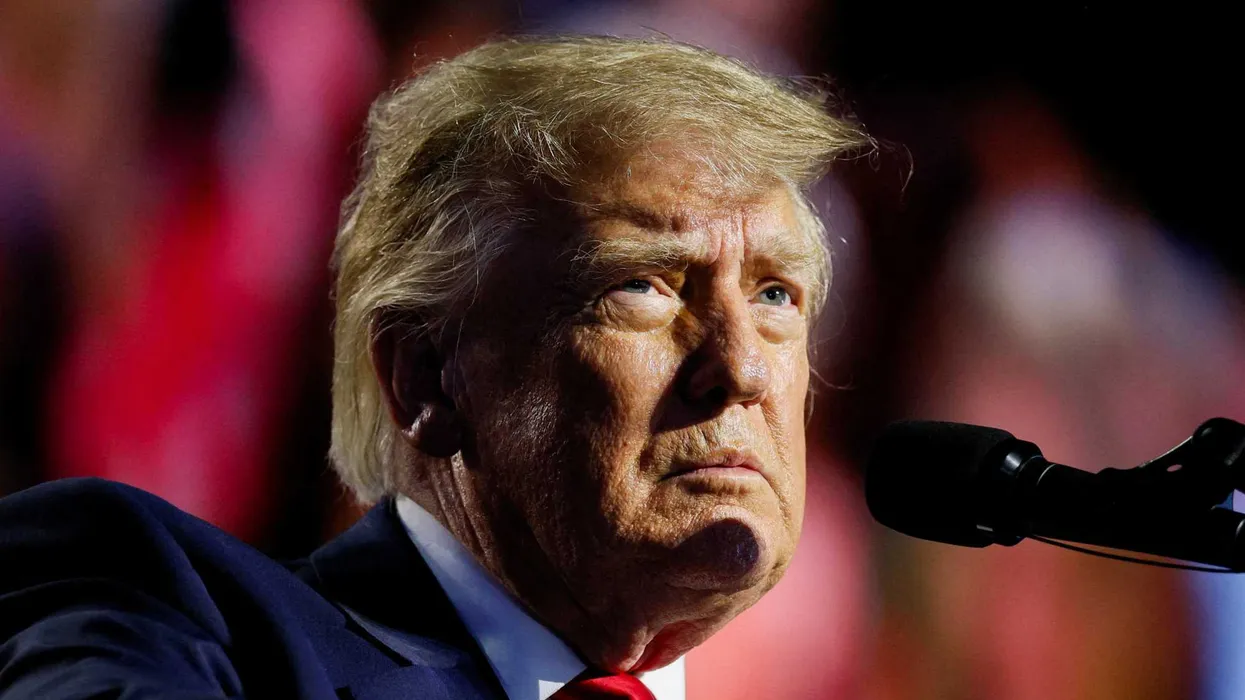
A legal analyst and former U.S. attorney said Friday that President Donald Trump’s latest proposal violates federal law and would not be protected by the “presidential immunity” recognized by the Supreme Court.
MS NOW legal expert Barb McQuade was responding to a controversial statement Trump made during the Republican midterm convention in Dallas. On the convention’s first day, Trump promised to send every American adult a $5,000 check if Republicans retain control of the U.S. House and Senate after the midterm elections.
“If the Republicans win, you win with us and you get $5,000,” Trump declared. “It will be called the Trump dividend.”
The proposal prompted shock and outrage across the political spectrum, including from many Republicans. Trump repeated the claim the following day.
“Paying for votes is a crime for the payer and the recipient,” McQuade said, citing 18 U.S.C. § 597. “With five-year statute of limitations,” she added, “the next DOJ could bring charges. And the conduct would be beyond the scope of presidential immunity for Trump.”
The statute prohibits anyone from making or offering to make an expenditure to influence whether a person votes, withholds a vote, or votes for or against a candidate. It provides that a violation can result in a fine or imprisonment of up to one year, or both. If the violation is willful, the penalty can increase to a fine or imprisonment of up to two years, or both.
The law’s reference to an “offer to make” an expenditure is central to the analysis. Commentators have argued that Trump has previously promised payouts without delivering them, raising the question of whether the proposed “dividend” would qualify as a bribe if the checks were never issued. The language of the statute, however, indicates that making the offer itself can constitute the prohibited conduct, according to the analysis cited by McQuade.
McQuade also distinguished the proposal from official presidential duties. Because the statement concerns campaigning and voting rather than an act carried out as part of the presidency, she said, Trump would not be shielded by presidential immunity. The statute’s five-year limitation period could also allow a future Justice Department to pursue charges if a Democrat wins the next presidency. Any such case would require prosecutors to apply the statute to the specific facts and establish the elements of an offense; McQuade’s comments describe a legal analysis, not a court ruling.
Trump’s proposal has drawn criticism from both parties. National Review senior editor Charles Cooke described it as “socialism” and called it “morally, practically, and politically catastrophic.” Florida Governor Ron DeSantis, who has sought to maintain good relations with Trump, said the payments would “lead to more debt and more inflation.”
Source: Alternet
Related reports and primary-source references: Alternet, Alternet, Alternet, The Guardian, and X.

