Trump’s ‘scuzzier sides’ leave potential 2028 Republican successors in a bind
Key Takeaways
- •The Constitution's 22nd Amendment prevents Trump from seeking another term, making 2028 the first Republican presidential race since 2016 in which he is not on the ballot.
- •According to Kaplan, the eventual GOP nominee must persuade Trump's base of loyalty to the president while distancing from his least popular policies, a challenge intensified by the Iran war and declining approval ratings.
- •Vice President JD Vance has publicly supported the Iran war in strong rhetoric while privately letting journalists know he had always opposed it.
- •Secretary of State Marco Rubio, who simultaneously holds the acting national security adviser role for the first time since Henry Kissinger in the 1970s, has sought to avoid association with the war altogether.
- •Defense Secretary Pete Hegseth is reportedly considering a 2028 campaign and may face the war dilemma even more directly given his leadership of the military and his public defense of the conflict.
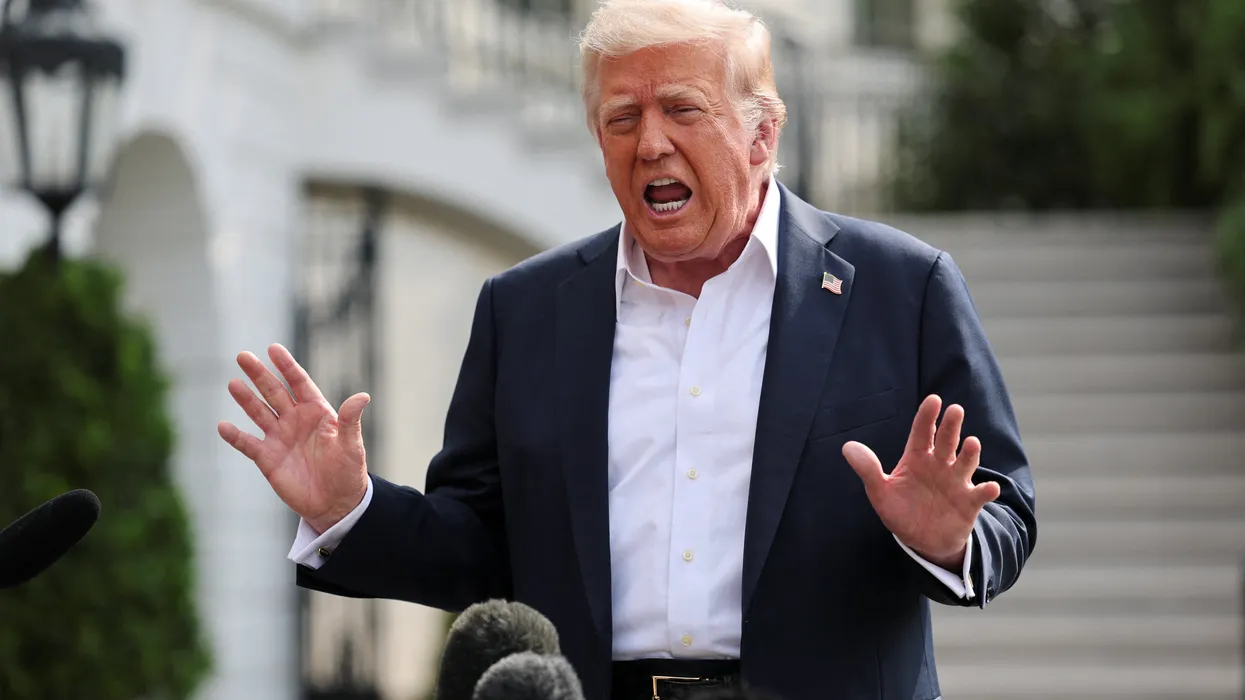
Republicans seeking to succeed President Donald Trump as the party’s 2028 presidential nominee face a difficult path, according to a new analysis by veteran Pulitzer Prize-winning journalist Fred Kaplan for The i Paper. Kaplan argues that the “scuzzier sides of [Trump’s] legacy” could leave his potential successors facing a potentially unwinnable balancing act.
The stakes are structural as well as political: under the Constitution’s 22nd Amendment, Trump cannot seek another term, meaning 2028 will be the first Republican presidential race since he first won the party’s nomination in 2016 in which he is not on the ballot — leaving the party’s would-be heirs to compete over who gets to define its direction.
The Republican nominee will need to appeal both to Trump’s devoted MAGA supporters, who are likely to favor a direct successor, and to Republican voters who want a candidate who is as far removed from Trump as possible. That challenge has been intensified by Trump’s war with Iran and his declining approval ratings, according to Kaplan’s analysis.
“If you’re a Republican yearning to be the next U.S. President, the dilemma is how to thrill Donald Trump’s MAGA devotees while also distancing yourself from the scuzzier sides of his legacy,” Kaplan wrote. “Persuading the ‘base’ that you are Trump’s true successor is now a prerequisite to winning the party’s nomination. Yet, breaking away from his bleakest failures will be crucial to winning the general electorate – and, perhaps, when it comes to Trump’s least popular policies, also hanging on to a large share of the party’s faithful.”
Kaplan identified Vice President JD Vance and Secretary of State Marco Rubio as the two most likely contenders. He wrote that they may be feeling the pressure “most acutely” because of their close involvement with the Iran war, which he described as “by far [Trump’s] least popular policy.”
“Even a less wrathful president would demand that his vice president and top foreign-policy aide support his decision to go to war, at least in public,” Kaplan wrote. “Yet, how the two are handling this dilemma is proving an intriguing study in contrasts.”
According to Kaplan, Vance has attempted to manage both sides of the issue by publicly supporting the war, “often in feverish rhetoric,” while privately letting journalists know that he had always, “very thoughtfully,” opposed it. Rubio, meanwhile, has sought to avoid the war altogether—a difficult task while holding two key foreign-policy positions as secretary of state and acting White House national security adviser, a combination no one has held simultaneously since Henry Kissinger in the 1970s.
Kaplan later concluded: “Trump’s war with Iran is raging on, and his key advisers and possible successors are trying their hardest to avoid being heavily linked to it. For the likes of Vance and Rubio, their future may depend on it.”
Defense Secretary Pete Hegseth, another administration figure, is also reportedly considering a 2028 presidential campaign. Given his role leading the military and his recent history of strongly defending the war publicly, he may face the same dilemma even more directly than Vance and Rubio. The first Republican nominating contests for 2028 still lie ahead, and with the Iran war ongoing, the positions these potential contenders stake out — or try to distance from — could remain a defining test as the party’s field takes shape.
Source: Alternet

