CNN Panel: Trump's 'Liberace' Act Is Creating Midterm Headaches for Republicans
Key Takeaways
- •Polling cited on the panel shows 62 percent of voters disapprove of President Trump as Republicans head into the November 2026 midterm elections.
- •CNN anchor Kasie Hunt said sources from both political parties are directly blaming President Trump for the GOP's difficult midterm position.
- •Rep. Ashley Hinson, who began her Iowa Senate campaign vowing to be Trump's biggest ally, is now running ads emphasizing bipartisanship and distancing herself from the president on Iran.
- •A survey cited by Van Jones found 61 percent of Americans believe Trump places his personal interests above the country's, a figure he described as damaging for Republicans.
- •Republican pundit Scott Jennings noted 56 percent of Americans say they are economically better off or the same as two years ago, though he acknowledged 75 percent are dissatisfied.
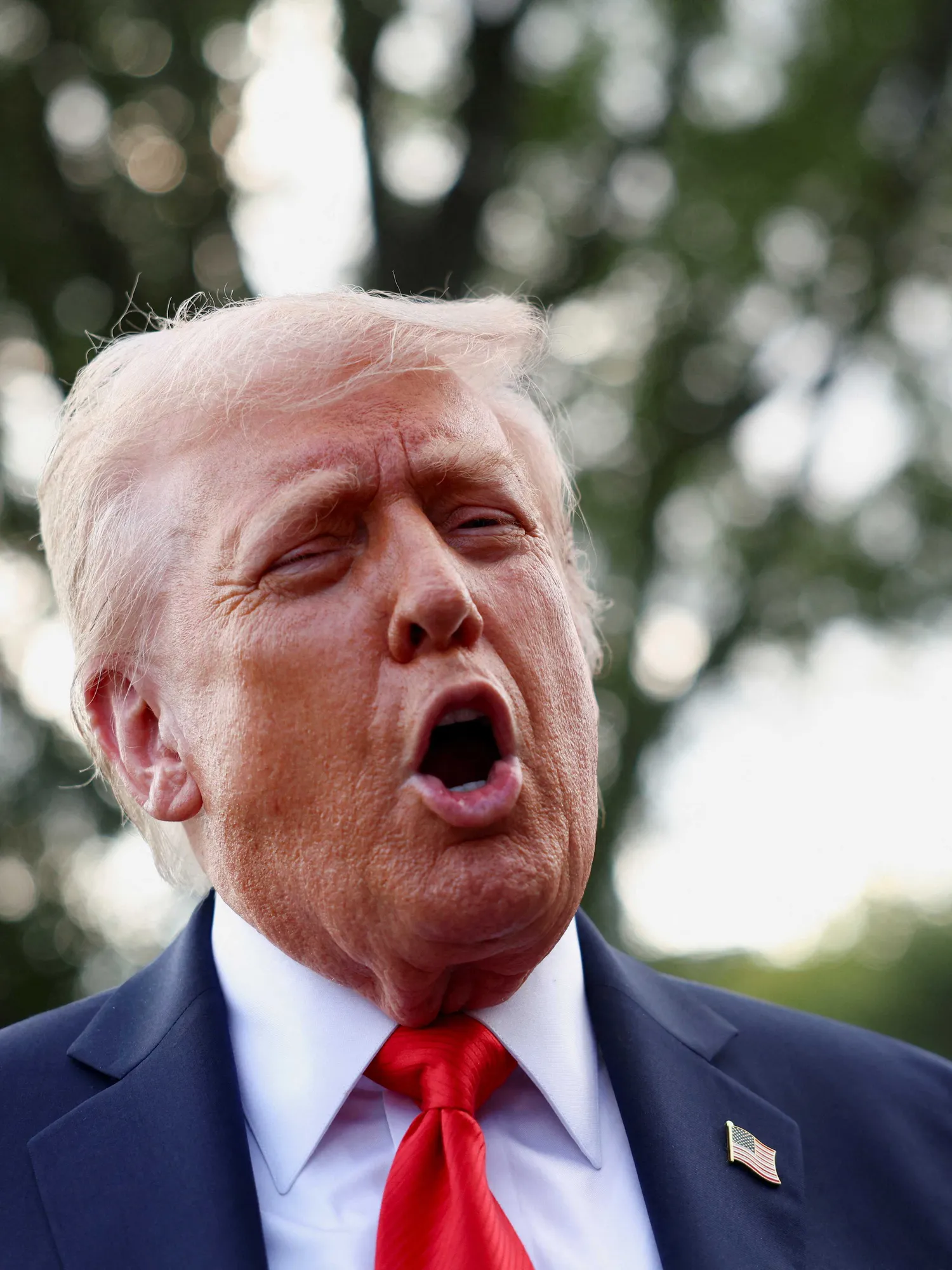
As President Donald Trump leads his Republican Party into the November 2026 midterm elections, analysts and strategists from across the political spectrum keep arriving at the same conclusion — one that works in Democrats' favor.
The stakes carry historical weight: the president's party has lost U.S. House seats in nearly every midterm election of the modern era, which is why approval figures like those cited on this panel are being scrutinized by strategists on both sides.
CNN anchor Kasie Hunt said her sources on both sides of the aisle are blaming the president directly, citing polling that shows 62 percent of voters disapprove of Trump.
"The sources I'm talking to on both sides of the aisle are all saying this is President Trump's fault," Hunt said. "Should Republicans really suffer significant losses?" She pointed to the Senate race in Iowa as a close-to-generic test between a Republican and a Democrat. Rep. Ashley Hinson, who has run a strong campaign, launched her bid vowing to be Donald Trump's biggest ally in the Senate.
"That was a year ago," Hunt noted. "And now she's running ads about bipartisanship, distancing herself from the president on Iran. It's just one example, but it really underscores what we're seeing in this data that's coming out."
Whether more Republican candidates adopt that distancing playbook ahead of Election Day is one of the dynamics to watch as the campaigns unfold.
Democratic commentator and CNN panelist Van Jones argued that Trump has effectively turned the election into a referendum on himself — with damaging results for his party. "Well, Donald Trump got his wish. People are voting as if he's on the ballot. And people who are voting thinks he's terrible," Jones said.
He pointed to survey findings that a majority of Americans — 61 percent — believe the president is putting his personal interests above the country's, citing what he described as talk of corruption and of Trump "grifting and grabbing and enriching himself while people can't fill up their trucks more than a quarter tank while hospitals are closing."
"People thought he was going to be some kind of modern-day dictator. He turned into a modern-day Liberace who's just doing all kind of weird stuff, and people are suffering," Jones said. The comparison invokes Liberace, the famously flamboyant mid-century pianist. He added that the same share of voters who cast ballots "feel that way," calling the number "a nightmare for the Republicans."
Republican pundit Scott Jennings read the political landscape in broadly similar terms, though he framed the consequences for the GOP as "a mixed bag." "The economic number is interesting," Jennings said. "Fifty-six percent say they are better off or the same as they were two years ago. Only 44 percent say worse off. You know, a lot of the Democratic campaigns have depicted America as some economic hellscape. I'm not sure that's borne out here."
Still, Jennings conceded a deeper problem for the incumbent party: "No doubt 75 percent of Americans are PO'd. And that's rough for the incumbent party."
With more surveys expected ahead of the November vote, the figures cited by the panel — overall approval, views of the president's priorities, and the public's economic mood — will serve as reference points for how the midterm environment develops.
The exchange aired during CNN's midterm election coverage; the full segment is available on YouTube.
Source: Alternet

