Report: 'Growing Sense of' Among Republicans as Trump's Plans to Influence 2026 Midterms Hit Roadblocks
Key Takeaways
- •The Supreme Court blocked parts of Trump’s order targeting mail-in-ballot access, and the USPS stopped working on related voter lists.
- •Trump’s proposed voter restrictions legislation failed to pass Congress despite Republican majorities in both chambers.
- •Texas and Missouri pursued congressional redistricting based on 2024 election results rather than new Census figures, with three Texas districts potentially vulnerable to Democratic victories.
- •FBI Director Kash Patel did not rule out federal personnel monitoring polling places on Election Day.
- •Rising living costs, higher fuel prices and a competitive Texas Senate race are contributing to Republican concerns about the 2026 midterms.
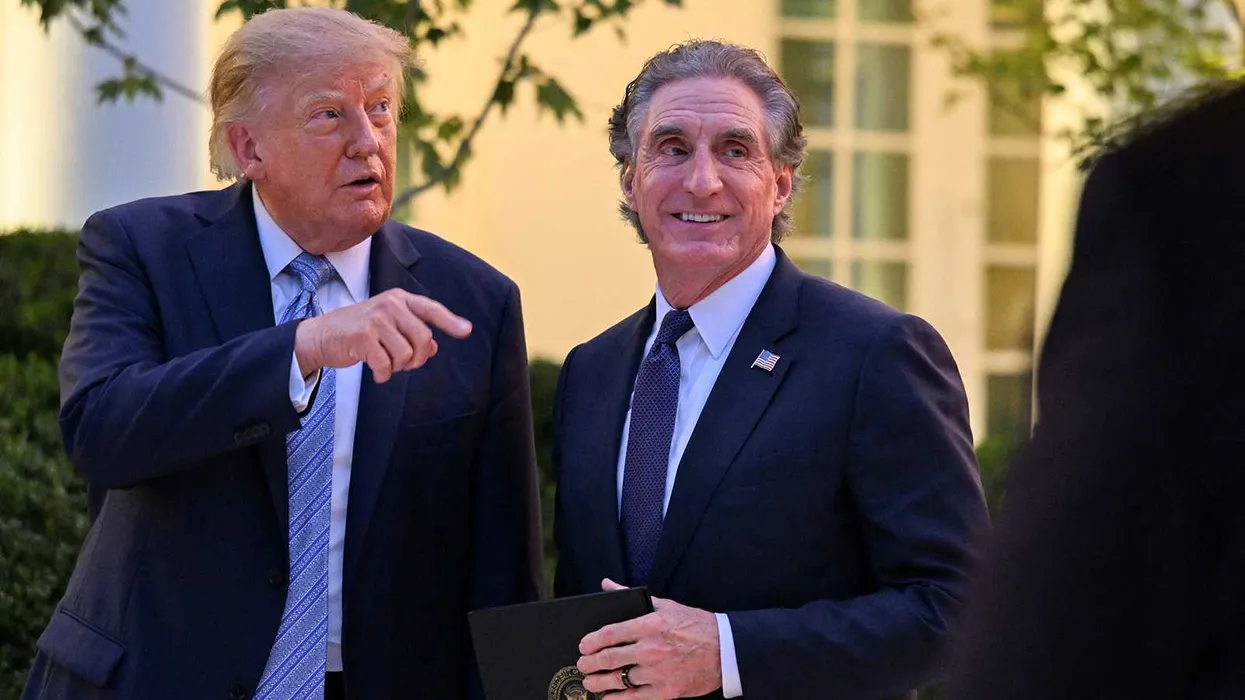
President Donald Trump's efforts to shape the 2026 midterm elections in Republicans' favor have run into obstacles at nearly every turn, according to a report published Friday by iPaper's Max Melzer. Even the U.S. Postal Service, the report noted, is not acting on the administration's demands that it serve as a kind of gatekeeper for mail-in ballots. The stakes are considerable: the 2026 midterms will decide whether Republicans hold on to their majorities in the House and Senate — and with them, Trump's capacity to advance legislation through Congress for the remainder of his term.
The most significant setback came earlier this week, when the Supreme Court blocked implementation of parts of Trump's executive order that would have restricted access to mailed ballots in states that declined to turn over their voter rolls to the federal government. By Thursday, the USPS had stopped working on the lists and was complying with the Supreme Court's order, the Associated Press reported. The clash underscored a defining feature of the American system: election administration rests primarily with the states, with federal courts serving as the arbiter of where Washington's authority ends.
The March executive order implemented many of the demands of the voter restrictions bill Trump had pushed in Congress, with the added requirement that the USPS pick and choose which ballots were sent to voters; it would also have allowed the agency to decline to deliver any ballot it wanted. Several states took the administration to court, citing the U.S. Constitution's mandate that elections be handled by the states. While they prevailed in several lower courts, the decision ultimately handed victory to the high court. Melzer called the order one of Trump's "high-risk" moves.
Trump's legislative route failed as well. He pushed his own voter restrictions bill, which would have placed extra barriers on voting, but could not get it through Congress even with Republicans controlling both the House and Senate.
Separately, FBI Director Kash Patel refused to dissuade concerns that the federal government will send agents, homeland security officers and others to "monitor" the polls on Election Day.
Trump also sought to redraw congressional maps, a process normally carried out only after new Census Bureau numbers. Instead, states including Texas and Missouri attempted to redraw districts based on the 2024 election results that favored Trump and the GOP. With Trump's 2024 coalition now showing signs of breaking apart, there are concerns that relying on those results as a guide may not been the best idea. In Texas, for example, three districts drawn specifically to be Republican may flip to Democratic. How those redrawn districts perform in November — especially the three Texas seats in question — will offer one of the clearest readings on whether the redistricting push strengthened the party's position or undercut it.
"There is now a growing sense of panic among some in the party as the prospect of losing control of both chambers of Congress increases," Melzer wrote for iPaper.
Republicans are struggling amid a sea of negativity about their party and the president. Americans are struggling to get by in an economy that the GOP insists is doing well. Trump has alleged that the affordability crisis is a "hoax," and the war in Iran has driven gas and diesel prices higher and higher.
"Instead of moving to address those concerns, Trump has been focused on pushing some states to re-draw electoral maps in ways that disadvantage Democrats and embarking on a new trade war with Canada that could further push up the price of some US products," Melzer wrote.
The result is a very public disconnect between voters and Trump, fueling "a deepening sense of unease among Republicans, and his failure to cement an advantage through changing mail-in voting has further exposed the party by diverting time and attention away from its core messaging."
Melzer pointed to Texas as one glaring example, where the U.S. Senate race is competitive after Trump backed a GOP candidate with hefty negatives. Trump won Texas by double-digit numbers in 2024, but that advantage appears to be gone.
"The prospect of a Democrat win in what has been a Republican stronghold has served to strengthen fears that Trump's actions could ultimately cost the party control of Congress," Melzer concluded.
This article is based on AlterNet reporting drawing on iPaper's report by Max Melzer.

