Trump's $1 Million Voter-Fraud Bounty Has American Voters on Edge Ahead of the 2026 Midterms
Key Takeaways
- •President Trump has offered a $1 million reward to tipsters who help secure voting-fraud convictions, a step that has deepened voter unease as polls put the Republican congressional majority at risk.
- •Voters interviewed by The New York Times expressed differing strands of election anxiety, with some fearing disruption or dirty tricks and others urging stricter photo ID rules for voting.
- •Dan Vicuña of Common Cause argued the Trump administration could violate the law through measures such as voter purges, new voter ID requirements, or law enforcement interference in the vote.
- •Common Cause is challenging in federal court an executive order that would turn the United States Postal Service into an election administration agency and add a layer that makes voting by mail more difficult.
- •American elections are run by state and local officials rather than a federal election agency, keeping the limits of federal power a recurring legal question as the November 2026 midterms approach.
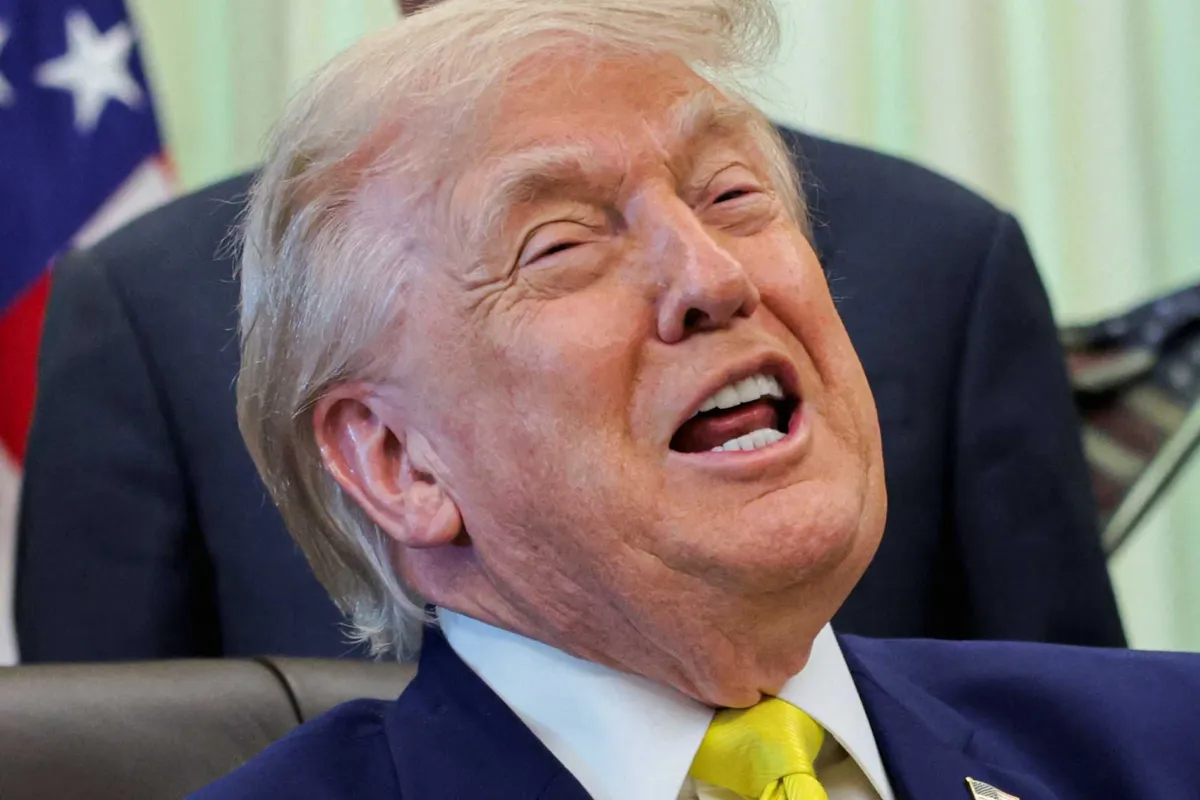
Ever since President Donald Trump signaled he would rig the 2026 midterms if he could not win them legitimately, American voters have been on edge — an anxiety that has deepened since he offered a $1 million bounty to anyone who uncovered voter fraud.
"As polls show the Republican majority in Congress in peril, Mr. Trump has ramped up his baseless attacks, even dangling a $1 million reward to tipsters who help secure a voting-fraud conviction," wrote The New York Times' Beth Reinhard and Kevin Williams on Sunday. "Some voters are nervous about what he might do next." Their reporting lands at a moment when the administration's election-related orders are already facing pushback in federal court.
Tiffany Hall, a 56-year-old Black physician from Ohio, was among those unsettled by the prospect. "I am very concerned that the election will be disrupted in ways that will affect the margins," Hall told the Times.
Jeanne Russell, a 77-year-old Black retiree and registered Democrat from Maine, told Reinhard and Williams she anticipated foul play, though she remained hopeful that election officials could hold it off. "I'm kind of foreseeing that there will be some dirty tricks," Russell said.
Esther Bowling, 43, also of Ohio, argued that elections could be stolen and said the remedy was stricter identification rules. "If you are an American citizen you should have to show a photo ID to vote," Bowling told the Times. Bowling's emphasis on identification rules reflects a different strand of election anxiety from the disruption fears voiced by Hall and Russell — a sign that public concern about the vote runs in more than one direction.
Concerns extend beyond individual voters. Speaking with AlterNet in June, Dan Vicuña, senior policy director for voting and fair representation at Common Cause, argued that the Trump administration could ultimately violate the law through measures ranging from voter purges and new voter ID requirements to the use of law enforcement to interfere with the vote.
"I think some of these attempts to federalize, to nationalize elections are clearly illegal," Vicuña told AlterNet. "You've seen some of that overreach already struck down — attempts to order independent agencies to force a strict voter ID requirement on people. That has been rejected." That argument rests on a defining feature of American elections: they are run by state and local officials rather than a federal election agency, a structure that keeps the limits of federal power a recurring question in court.
Vicuña added that Common Cause is in court challenging the latest executive order, which he said would turn the United States Postal Service into an election administration agency and create a further bureaucratic layer that would make it more difficult to vote by mail.
"In terms of the president's authority to order around USPS, it's illegal," he said. "In terms of USPS's authority to become some sort of national election administration agency, it far exceeds the legal authority that Congress gave to the postal service. The statute describing what kind of work the postal service would do is about postal service work — processing mail and selling stamps. It has nothing to do with election administration." The dispute over the Postal Service's role is one of the legal threads to track as the November 2026 midterms approach.

