Trump's $1.5 Trillion Military Budget Request: A Cost of $4,600 Per Household
Key Takeaways
- •President Trump's requested $1.5 trillion military budget represents an increase of approximately $600 billion over the fiscal year 2025 enacted defense budget of roughly $895 billion.
- •The proposed defense spending increase amounts to roughly $4,600 per household and equals approximately 8% of the total federal budget.
- •The Pentagon has failed seven consecutive financial audits, raising questions about fiscal accountability within the Department of Defense prior to any major budget expansion.
- •Eliminating USAID saved approximately $35 billion annually, which is less than 6% of the military spending increase being requested.
- •The budget request will require congressional approval and is expected to trigger a contentious debate on Capitol Hill.
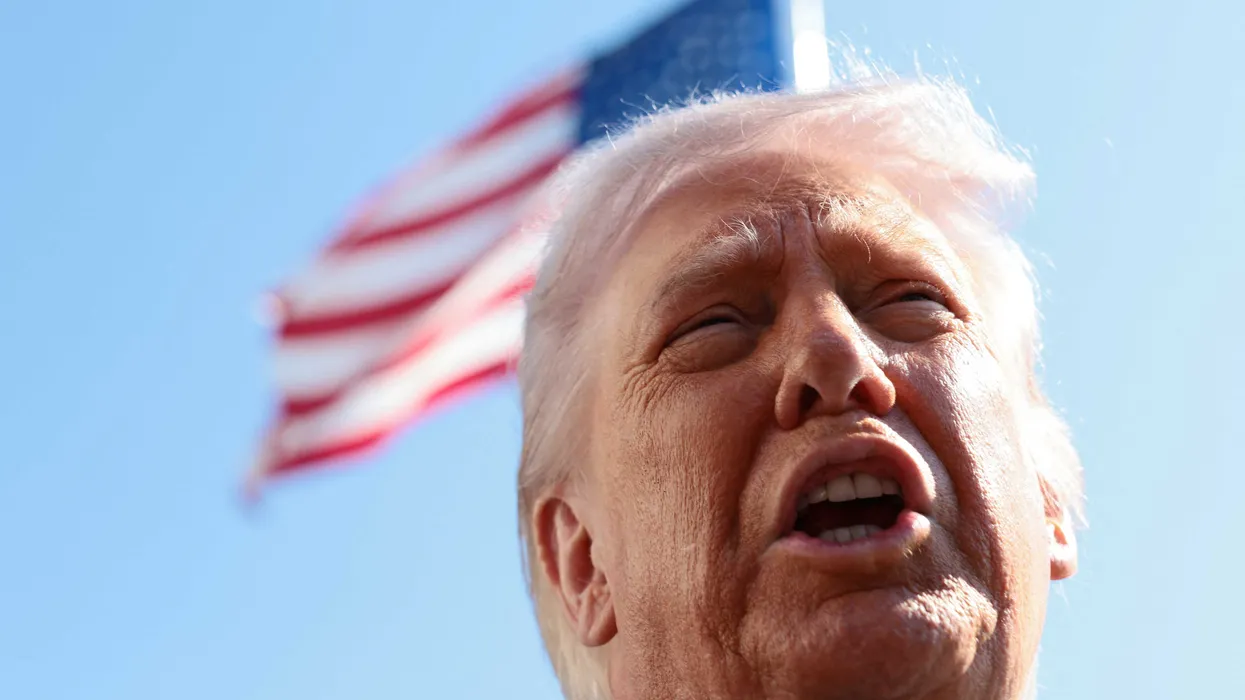
President Donald Trump is requesting $1.5 trillion in military spending for the upcoming fiscal year, representing an increase of approximately $600 billion (adjusted for inflation) over the fiscal year 2025 defense budget of roughly $895 billion enacted before he took office.
The proposed increase is unprecedented in scale by virtually any measure. It amounts to roughly $4,600 per household and represents approximately 8% of the total federal budget. The United States already accounts for roughly 40% of global military expenditure, outspending the combined defense budgets of the next several nations — a gap that would widen substantially under this request. To contextualize the magnitude of this request, it dwarfs spending figures that have been the subject of intense debate in Washington.
For comparison, last year Democrats advocated extending the enhanced subsidies for Affordable Care Act exchange plans, a measure that would have cost $30 billion annually — one-twentieth of the military increase that Trump and Defense Secretary Pete Hegseth are seeking. Congressional Research Service background on the defense budget is available here.
The dismantling of the US Agency for International Development (USAID), which Elon Musk publicly celebrated last spring, is projected to result in 4 million additional deaths over the next four years, according to research published in The Lancet00281-5/fulltext). Yet eliminating that program saved only approximately $35 billion per year — less than 6% of the military spending increase Trump is requesting.
Other domestic programs highlight the scale of the proposed defense hike. The annual cost of extending the enhanced child tax credit, which reduced child poverty by half, was approximately $100 billion per year — less than one-fifth of Trump's proposed increase. The annual appropriation for the Corporation for Public Broadcasting was $550 million, less than one-thousandth of the additional military spending being demanded.
The request raises a central question: whether the global security environment has deteriorated so significantly in the 18 months since Trump took office that a two-thirds increase in the defense budget is justified. The United States operated at the previous level of military spending — which nearly all observers, including Trump during his first term, regarded as adequate. The Pentagon, notably, has failed seven consecutive financial audits as of its most recent assessment, raising questions about fiscal accountability within the Department of Defense even before such a massive budget expansion.
Critics note that transforming former allies into adversaries carries a substantial financial cost, and the figures cited are drawn from Trump's own budget proposal rather than from his opponents' estimates. The request will require congressional approval, setting the stage for what is likely to be a contentious budget battle on Capitol Hill. Additional budget analysis is available from the Center for Economic and Policy Research.
Source: AlterNet

