Triumph Financial CEO Aaron Graft Explains Why Trucking Capacity Won't Flood Back This Cycle
Key Takeaways
- •Aaron Graft, CEO of Triumph Financial, contends that converging increases in litigation, regulation, and legislation are creating higher barriers to entry for new trucking carriers than in previous freight cycles.
- •Thousands of carriers entered the market during the 2021–2022 pandemic boom using accessible credit and cheap equipment, but the subsequent rate collapse and elevated operating costs have driven widespread carrier failures, especially among small fleets.
- •Rising insurance premiums, stricter compliance requirements, and the potential for a federal minimum insurance liability increase have made the economics of market entry materially harder for prospective owner-operators.
- •If capacity remains constrained even as demand recovers, shippers accustomed to soft rates and abundant capacity may face a significantly different pricing environment.
- •Triumph Financial's analysis leverages transaction data from TriumphPay, one of the larger payment networks connecting freight brokers and carriers across the United States.
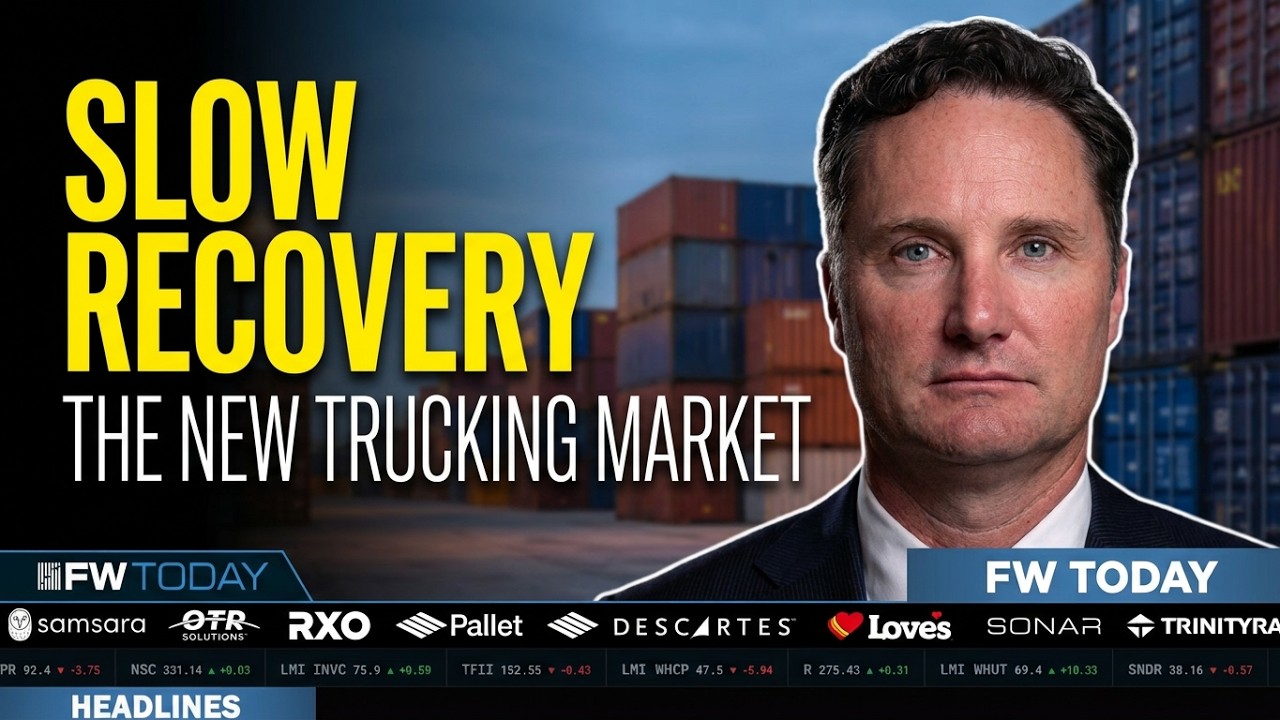
Aaron Graft, CEO of Triumph Financial (NASDAQ: TFIN), has offered a detailed analysis of why the current freight market cycle is structurally different from previous ones, arguing that new barriers to entry will prevent a rapid influx of capacity even as market conditions tighten.
The U.S. trucking sector has been navigating a prolonged freight downturn that took hold after the pandemic-era boom of 2021–2022, when surging consumer demand and supply chain disruptions drove rates to historic highs. During that boom, thousands of new carriers entered the market, many leveraging readily available credit and cheap used equipment. The subsequent rate collapse and elevated operating costs have since driven a wave of carrier failures and revocations of operating authority, particularly among small fleets.
In his assessment, Graft points to a convergence of increased litigation, regulation, and legislation as the primary factors creating higher hurdles for new entrants in the trucking industry. These barriers, he explains, stand in contrast to previous freight upturns—such as the 2017–2018 capacity squeeze—when new carriers and owner-operators quickly flooded the market in response to improving rates and demand, rapidly eroding the tight conditions.
Triumph Financial is the parent company of TriumphPay, a payments network for the freight brokerage industry, and TriumphBank. Graft's perspective draws on the company's visibility into freight transactions across the broker-carrier ecosystem, positioning TriumphPay as one of the larger payment rails connecting freight brokers and carriers in the United States.
The traditional trucking freight cycle has historically followed a pattern: during downturns, weaker carriers exit the market, tightening capacity; as rates improve, new entrants are attracted back, increasing capacity and eventually pressuring rates downward again. This cyclical pattern has been a defining feature of the fragmented trucking industry, which is composed largely of small fleets and owner-operators.
Graft contends that the current environment departs from this historical pattern. Elevated regulatory scrutiny, rising insurance costs, and a more complex legal landscape have collectively raised the cost and difficulty of entering or re-entering the market. For prospective owner-operators, the combination of higher insurance premiums—often cited as one of the fastest-growing line items for small carriers—stricter compliance requirements, and the looming possibility of a federal minimum insurance liability increase has made the economics of market entry materially harder than in past cycles.
As a result, the tight capacity conditions observed in the current cycle may persist longer than in past cycles, with implications for carrier profitability, driver availability, and shipper costs. Shippers and logistics managers who have grown accustomed to soft rates and abundant capacity during the downturn may face a different pricing environment if the supply side remains constrained even as demand recovers.
The analysis comes amid ongoing scrutiny of the trucking industry's regulatory environment, including Federal Motor Carrier Safety Administration (FMCSA) enforcement priorities, insurance requirements, and compliance obligations that have become increasingly demanding for smaller operators in particular.
Source: FreightWaves

