Trezor Says Skladon Breach Exposed Data From About 27,000 Orders
Key Takeaways
- •Hackers breached Trezor's delivery partner Skladon on November 7 and likely exported data tied to around 27,000 orders placed since August 9, covering names, phone numbers, delivery addresses, emails, purchased products and prices paid.
- •Trezor said its own systems were not compromised and the breach did not expose wallet backups, PINs or passphrases, so attackers cannot directly access customer funds.
- •Some affected customers have already reported fraudulent phone calls, and exposed details such as purchase models, prices and home addresses could be used to craft targeted scams against cryptocurrency holders.
- •The Skladon breach is Trezor's third service-provider security incident in a little over three months, after the ShipMonk breach that affected 80,689 people and the Brevo breach that exported 347,149 email addresses.
- •In response, Trezor has launched anonymous pickup through parcel lockers in 18 European countries and is reducing order-data retention from 90 days to 45 days, with shipping partners required to follow the same policy.
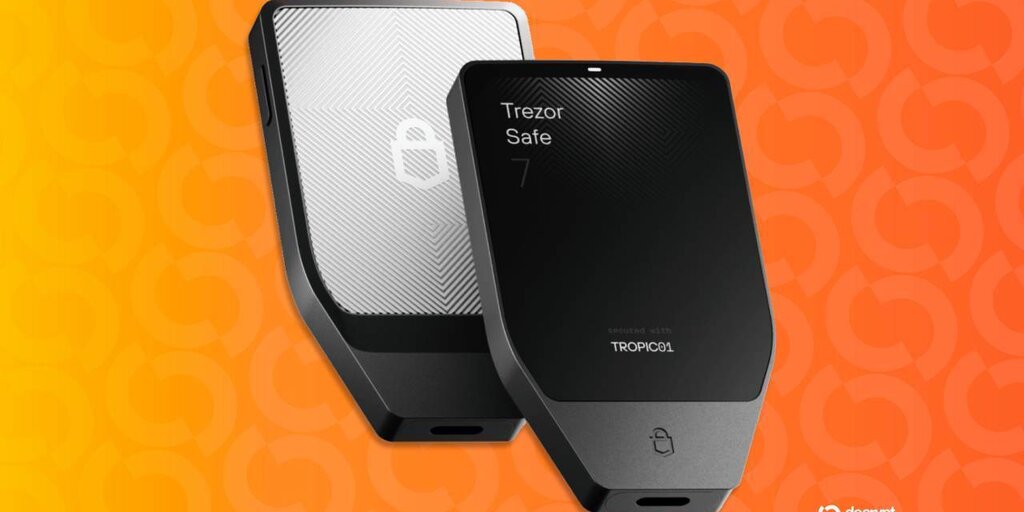
Trezor says hackers likely exported information connected to approximately 27,000 hardware-wallet orders after breaching the systems of Skladon, a delivery partner, on November 7. The company disclosed the incident Monday in a notice.
The exposed records covered orders placed between August 9 and November 7 and included customers’ full names, phone numbers, delivery addresses, email addresses, the products they purchased and the prices they paid. Skladon did not notify Trezor until November 15, eight days after the intrusion.
Trezor said its own systems were not compromised and that the incident did not expose wallet backups, PINs or passphrases. Hardware wallets are designed to keep the keys that control funds with the owner — on the device and in its backup — rather than with the vendor, so breaches of this kind center on customer metadata that can fuel impersonation rather than direct access to coins. The leaked information does not by itself allow an attacker to move a customer’s coins, but the combination of a home address and evidence that someone purchased a device designed to store cryptocurrency could be used in targeted scams.
The company said some affected customers have already reported fraudulent phone calls. Criminals could cite the exact model and price of a hardware wallet to make an unsolicited call, text message or letter appear legitimate. They could also use a delivery address to identify someone who may hold cryptocurrency.
Trezor said Skladon does not ship to the United States, so American customers were not affected by this incident. Customers have been notified where possible. However, some people who placed orders between August 9 and 14 may not receive an email because Trezor had already anonymized their records.
The company said it has notified a data protection authority but has not disclosed how attackers entered Skladon’s systems.
A series of third-party incidents
The Skladon breach is the third separate security incident involving a Trezor service provider in a little over three months. In August, logistics provider ShipMonk reported a breach that initially appeared to affect fewer than 14,000 Trezor customers. A subsequent investigation found records belonging to another 67,000 U.S. buyers from 2019 to 2021. ShipMonk had retained those records despite assurances that they had been deleted, bringing the total number of affected people to 80,689 — an illustration of how long vendor data retention can extend a breach’s impact beyond its first estimate.
In September, hackers breached marketing email provider Brevo and used Trezor’s legitimate email channel to distribute a fake security warning. The message urged recipients to install an application that requested their wallet backups. Trezor later said that 347,149 email addresses had been exported. The company separately described that incident in an official statement.
Trezor has faced similar incidents before. An insider attack at Mailchimp targeted Trezor users in 2022, while a 2024 breach of the company’s external support portal put the contact details of up to 66,000 people at risk.
The consequences have extended beyond email spam. In February, hardware-wallet owners received fake letters featuring Trezor branding, holograms and QR codes that led to phishing websites.
Trezor changes data-retention practices
Responding to questions about why an order from Trezor’s official store involved an outside company, Trezor said the issue was related to logistics rather than its technology systems. In a reply to a comment on X, the company wrote: “Companies of our size and global reach can’t run efficiently without third-party service providers.”
Trezor’s post continued:
Hi, companies of our size and global reach can’t run efficiently without third-party service providers. Handling as much as possible internally is the goal, but doing every part of the business ourselves isn’t realistic. Skladon is one of the partners that delivers Trezor orders,… — Trezor (@Trezor) November 16, 2026
https://x.com/Trezor/status/2122374434375848309?ref_src=twsrc%5Etfw
The company said Skladon held only the information required to deliver parcels and that managing every stage of global distribution internally was not realistic.
Trezor has introduced anonymous pickup through parcel lockers or collection points in 18 European countries, allowing buyers to avoid providing a home address. It is also working to reduce the retention period for order data from 90 days to 45 days and said shipping partners will be required to follow the same policy. Both changes address the exposure that inflated the ShipMonk toll: the longer order records sit with a partner, the more material a future breach can hand to attackers.
Trezor advises customers to ignore unexpected calls and messages about their orders, verify concerns through its official support site and never share a wallet backup. The company’s original disclosure said the investigation into the Skladon incident remains ongoing. Trezor’s previous third-party incidents show that impact estimates can grow as investigations progress, so the Skladon figures could still be revised.

