Trezor Cuts Reseller Network After $86M Wallet-Tampering Scare, Says Devices Remain Safe
Key Takeaways
- •Trezor is reducing its authorized reseller network as a preventive step after supply-chain incidents in the hardware wallet sector.
- •The company stated that no evidence exists showing any Trezor device has been compromised.
- •Affected resellers were told they will no longer be authorized sellers from January 1, and their shipments are expected to be halted.
- •The decision follows a report that a Ledger wallet bought through a reseller contained malicious hardware designed to secretly capture recovery phrases and transmit them outside the device.
- •Trezor advised users to buy devices directly when possible, verify products are intact, and use multisignature arrangements so a single compromised device cannot move funds alone.
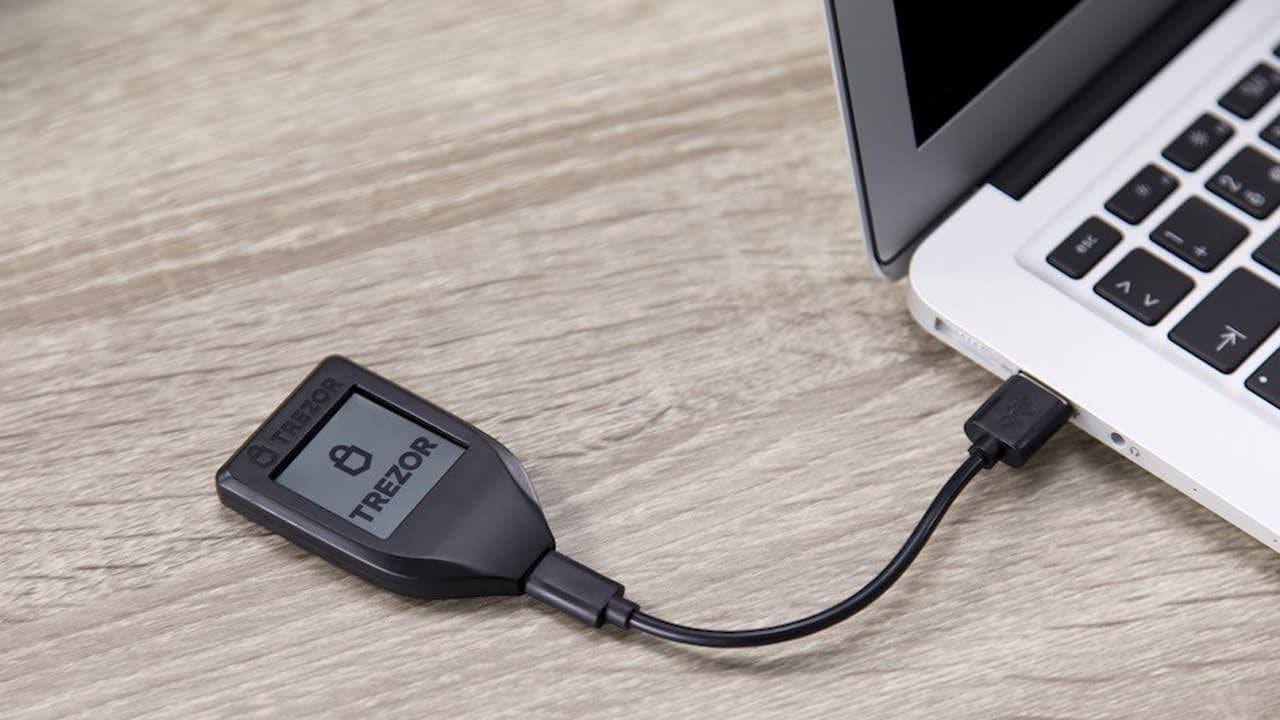
Trezor is reducing the number of authorized resellers for its hardware wallets after recent supply-chain incidents in the hardware wallet sector. The company said the move is preventive and does not follow a confirmed compromise of any Trezor device.
Hardware wallets store the private keys controlling cryptocurrency funds offline, and their security model assumes a device reaches the customer as it left the factory. The decision follows a report about malicious hardware implants allegedly being discovered in Ledger hardware obtained from a reseller. Trezor said it is narrowing its distribution network so it can more closely review and monitor the companies handling its products.
“Following recent supply-chain incidents, we decided to reduce the number of resellers so we can more effectively check those we work with. Let us be very clear: there is not a single piece of evidence that Trezor devices have been compromised. This is a preventive step, taken out of an abundance of caution. We also want to thank everyone involved for the cooperation, and for the years of work putting Trezor in people’s hands.” — Trezor (@Trezor), October 13, 2026
Trezor Reduces Authorized Reseller Network
Trezor said some resellers had been informed that they would no longer be authorized sellers from January 1. The affected companies were also expected to have their shipments stopped.
Trezor Chief Commercial Officer Danny Sanders addressed the affected partners in a post on X:
“To the resellers who helped build Trezor: thank you, and I’m sorry 💔” — Danny (@Dantoshi), October 13, 2026
The company also thanked its long-term distribution partners, including businesses that had worked with the brand for many years to expand access to its hardware wallets. Trezor said the revised policy applies to parts of that established reseller network.
The company’s statement was issued amid concern over an incident involving competitor-wallet provider Ledger. According to the report cited in the source material, at least one Ledger wallet was involved in an illegal hardware installation. The incident reportedly did not involve a conventional firmware modification. Instead, malicious hardware was designed to collect confidential recovery information and transmit it outside the device. A recovery phrase is the backup that can recreate a wallet’s private keys, which is why covertly capturing it can put funds at risk even without a conventional firmware modification.
Trezor Says No Devices Were Compromised
Trezor emphasized that there is no evidence that its hardware wallets have been compromised. The company characterized the reseller reduction as a supply-chain security measure rather than a response to a confirmed hack or breach involving Trezor products.
Trezor’s existing security setup is designed to detect several forms of tampering, including counterfeit devices and firmware alterations. However, physical manipulation of hardware represents a different type of supply-chain threat from changes made to a device’s software or firmware.
The issue highlights a broader security consideration for self-custody users. Hardware wallets are designed to keep private information offline, but their security can also depend on how a device is handled between the manufacturer and the customer. Every reseller in that chain is an additional handling point, which is why Trezor is concentrating oversight on fewer partners. A physically altered device could potentially evade protections focused primarily on unauthorized changes to software instructions or firmware.
For that reason, Trezor is placing greater emphasis on oversight of the companies that distribute its products rather than announcing a compromise of its wallets.
Trezor Urges Users to Check Device Sources
Trezor has recommended that users purchase devices directly from the company when possible and check that products are intact. The company has also presented multisignature arrangements as an option for users with larger cryptocurrency holdings.
In a multisignature setup, multiple keys are required to authorize a transaction. As a result, a compromised device would not be able to move funds by itself.
Trezor’s reseller reduction follows the reported $86 million wallet-tampering scare and is intended to strengthen control over its supply chain. The company continues to state that no evidence shows any Trezor device has been compromised. With the revised policy set to take effect on January 1, the practical detail for buyers to track is which sellers remain part of the authorized network when purchasing a device.

