Trezor Warns CryptoBilis Buyers After Report of Hardware Implant in Safe 5
Key Takeaways
- •Trezor advised all customers who purchased its wallets from CryptoBilis from March 2026 onward to move their funds to a newly created wallet with a fresh recovery phrase and never reuse the old phrase.
- •An Indonesian customer disclosed the suspected implant through Trezor's responsible disclosure program on October 28, describing an additional circuit board with a cellular module and antenna that captures on-screen data whenever the device is plugged in.
- •Trezor dropped CryptoBilis as a reseller on October 9 after Ledger began probing customer losses tied to the reseller, and Trezor's inspection of four CryptoBilis-sold devices found no evidence of tampering.
- •Ledger has said all confirmed losses involve devices bought from CryptoBilis, with one of the largest victims being a scammer who lost more than 60 BTC, worth about $4.8 million, according to Chainalysis.
- •No CryptoBilis buyer has reported a loss of funds to Trezor, and affected customers may keep their devices and request a replacement through Trezor Support.
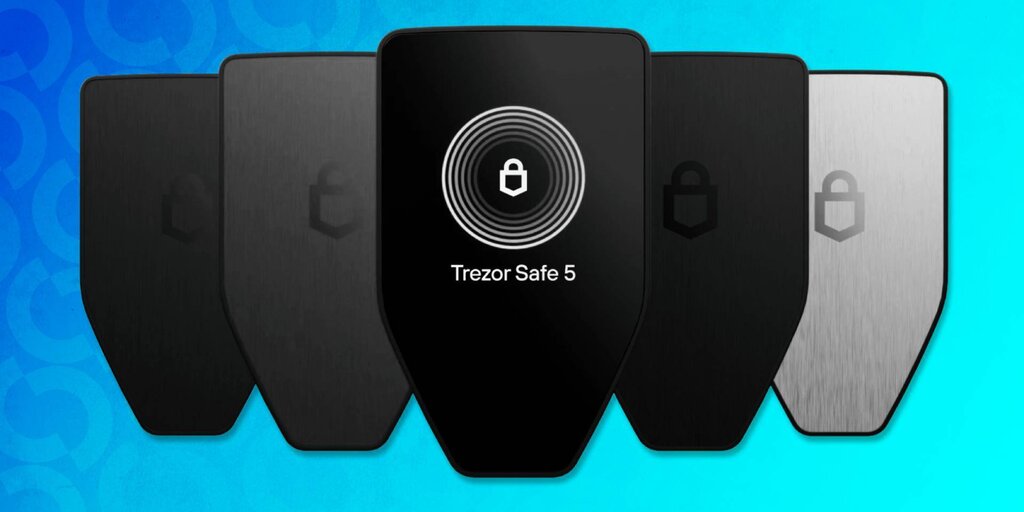
Hardware wallet manufacturer Trezor has warned customers who bought its devices from reseller CryptoBilis to move their funds, after a buyer reported finding a hardware implant inside a Trezor Safe 5, the company said on Friday.
Trezor said it received a credible report of an implant in a Safe 5 purchased from CryptoBilis in August 2026, though it has not yet examined the device. The implant reportedly reads the wallet backup from the screen and transmits it over a mobile network—behavior the company says appears similar to Ledger's case.
A customer in Indonesia reported the implant through Trezor's responsible disclosure program on October 28, according to a company blog post. The Safe 5 had been bought from CryptoBilis through Indonesian e-commerce platform Tokopedia in August 2026.
In a post on X, Trezor said:
CryptoBilis update We've been made aware, through responsible disclosure, of a single hardware implant in a Trezor Safe 5 device bought from the reseller CryptoBilis in August 2026. No CryptoBilis buyer has reported a loss of funds to us. IMPORTANT: If you bought a Trezor from… pic.twitter.com/TiaKfHBnX2
— Trezor (@Trezor) October 30, 2026
The report describes an extra circuit board fitted between the device's main board and its screen, complete with a cellular module and an antenna. According to the report, which Trezor said it has not verified, the board reads whatever appears on the screen—including the wallet backup—and sends it out over a mobile network whenever the device is plugged in.
Tampering carried out after a device leaves the factory and before it reaches its buyer is commonly described as a supply chain attack—a distinct threat model for hardware wallets, whose security rests on the device arriving untouched. An implant like the one described would not need to defeat any cryptography; it would only need to capture what the device itself displays.
Trezor has not yet received the device, but said it is treating the report as credible based on the customer's description and a video interview. "What we've seen looks sophisticated enough that we decided to warn customers now," the company said. "Waiting for lab confirmation would leave CryptoBilis buyers exposed in the meantime."
No CryptoBilis buyer has reported a loss of funds to Trezor, the company said.
Hardware wallets keep a user's private keys offline, while the recovery phrase—a sequence of words generated when the device is set up—can be used to restore access to funds on a new device. The phrase is the most sensitive element of the setup: anyone who obtains it can recreate the wallet on their own device and control the funds, and that exposure cannot be undone once the words have been seen.
Trezor urged anyone who bought one of its wallets from CryptoBilis from March 2026 onward to move their funds to a newly created wallet with a new recovery phrase as soon as possible, and not to reuse the old phrase on any device. Buyers who have not yet set up their device should not use it. Affected customers can keep their CryptoBilis device and contact Trezor Support for a replacement.
The CryptoBilis incident
Trezor removed CryptoBilis as a reseller on October 9, after rival hardware wallet manufacturer Ledger began investigating losses among customers who bought its devices from the Southeast Asian reseller. Trezor has since inspected four of its devices bought from CryptoBilis—a Safe 7, two Safe 5s and a Safe 3—and found no evidence of tampering.
Ledger's Donjon security team found an implant in Ledger devices sold through CryptoBilis that reads the 24-word recovery phrase from the screen during setup and sends it out over LTE. Trezor's blog post says the newly reported implant "appears to operate similarly," though the company added that it will not draw comparisons while investigations are ongoing and does not know who is behind it.
Ledger has said that all confirmed losses involve devices bought from CryptoBilis, and has asked resellers in seven Asian markets to pull its devices. One of the largest victims was a scammer who lost more than 60 BTC, worth about $4.8 million, according to blockchain analytics firm Chainalysis.
What happens next turns on the physical evidence: once the device arrives, Trezor's laboratory examination will provide the first direct verification of the customer's report, and both manufacturers' investigations remain open. Trezor's warning reaches back to March 2026—months before the reported device was bought—so the full scope of affected buyers remains undetermined.
Trezor has also had to warn customers about partner failures before. In August, it said a breach at shipping provider ShipMonk had exposed the names, phone numbers and home addresses of nearly 14,000 U.S. customers—a figure that grew by another 67,000 in September.

