Treasury Secretary Bessent Vowed 'I Am the House Now' — the Bond Market Isn't Buying It
Key Takeaways
- •Treasury Secretary Scott Bessent told the bond market 'I am the house now' during a September 8 speech at Southern Methodist University in Texas.
- •The 10-year Treasury yield has reached its highest level since the period leading up to the 2007 financial crisis, while the 30-year yield stands at its highest point since 2004.
- •The average 30-year mortgage rate has climbed to just over 7 percent, with the rise beginning after the United States partnered with Israel in a military campaign against Iran.
- •One estimate cited in the column projects that rising interest rates will make the U.S. national debt $1.5 trillion larger than the Congressional Budget Office originally forecast over the next decade.
- •Columnist Joseph Zeballos-Roig argues investors remain unnerved by $40 trillion in U.S. debt and Iran-related inflation concerns, making the administration's efforts to lower borrowing costs ineffective.
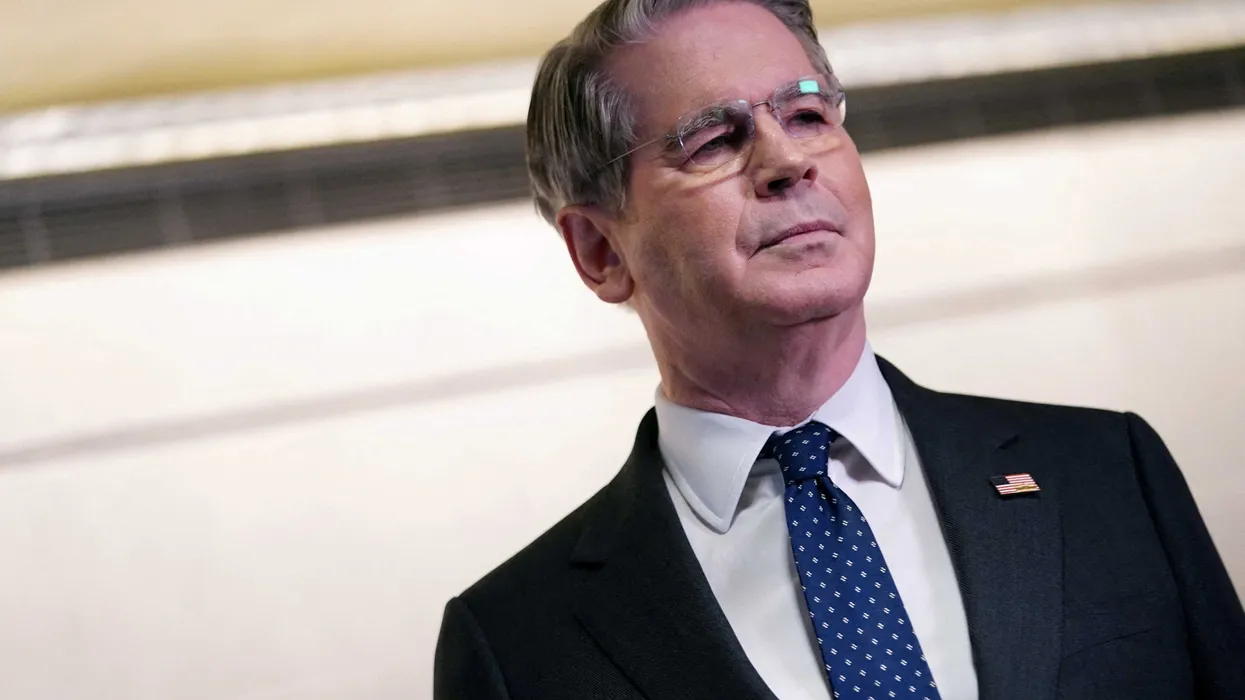
Treasury Secretary Scott Bessent had a pointed message for the bond market during a speech at Southern Methodist University in Texas on Tuesday, September 8: "I am the house now."
The line borrowed the gambler's idiom: the house — the casino itself — is the party with the built-in edge, the one bettors are not supposed to beat.
Nearly three weeks later, journalist Joseph Zeballos-Roig argues that the vow is backfiring. In a late September op-ed for MS NOW, Zeballos-Roig writes that Bessent "dared traders to cross him" in that September 8 address — and contends that "the house is getting a lot of egg on it."
"The $32 trillion American bond market is generating a flood of headlines lately," Zeballos-Roig writes. "Why? The instrument that the U.S. government uses to fund its own activities is going haywire."
According to the columnist, the 10-year Treasury yield is trading at its highest level since the run-up to the 2007 financial crisis, while the 30-year yield has similarly spiked to its highest point since 2004. Unlike policy rates that a central bank sets directly, Treasury yields are determined in open-market trading, which makes them a running gauge of how investors view the government's own finances. Citing Navy Federal Union Chief Economist Heather Long, he notes that these bonds influence mortgages, auto loans, and corporate borrowing, carrying real financial consequences for Main Street.
"It's harder now for Americans to lock in personal loans under favorable terms or to refinance a mortgage without paying a lot more," Zeballos-Roig writes. The average 30-year mortgage rate has leapt to just over 7 percent, having started climbing earlier this year after the United States partnered with Israel to launch a military campaign against Iran that currently has no end in sight.
Bond unrest is also bad news for Wall Street, since higher yields can squeeze corporate borrowing and ultimately constrain profits. Yields move opposite to prices, and their steady climb signals that investors are demanding higher interest rates in exchange for buying government debt.
Higher rates, Zeballos-Roig notes, also carry financial consequences for the U.S. government. "By one estimate," he writes, "rising interest rates means the U.S. national debt will be $1.5 trillion larger than originally projected by the Congressional Budget Office over the next decade." Such estimates follow from the mechanics of federal finance: the government continually refinances maturing debt and sells new securities, so each issuance prices at prevailing rates and sustained high yields compound through the budget.
The columnist argues that investors simply have not been swayed by the Trump administration's aggressive intervention into the bond market. They are unnerved by the United States sitting on a $40 trillion mountain of debt and anxious about inflation setting in due to the Iran war. In his view, the ongoing spike showcases Bessent's failure to artificially suppress yields and get the situation under control.
Bessent set out to be the "nation's top bond salesman," drumming up demand for Treasury assets so that mortgage rates and overall borrowing costs would fall. "His approach has fallen flat," Zeballos-Roig writes.
The Treasury secretary does recognize, the columnist notes, that the so-called bond vigilantes — traders who rebel against government policies they view as inflationary or as promoting market instability — can discipline spendthrift governments and inflict political chaos once provoked.
How that standoff plays out will show up in the data ahead: whether yields hold near these levels, how demand absorbs the Treasury's ongoing sales of new debt, and whether the inflation anxiety tied to the unresolved Iran war fades or hardens — all of it feeding into the edge-versus-traders question Bessent's casino line staked out.
"The bond market isn't buying what Bessent is selling," Zeballos-Roig concludes.

