US Treasury Drops Crypto Surveillance Proposals in Win for Financial Privacy
Key Takeaways
- •FinCEN filed notices on Monday withdrawing its 2020 'unhosted wallet' rule and its 2023 proposal to designate international crypto as a class of transactions of primary money laundering concern.
- •The withdrawn wallet rule would have required banks and other financial institutions to report certain crypto transactions above $3,000 and $10,000 when customers held assets in unhosted wallets they control directly.
- •The mixing proposal defined mixing as anything obscuring a transaction's source, destination, or amount, potentially capturing pooled funds, split transfers, single-use wallets, and asset swaps, and would have required institutions to provide wallet addresses, transaction hashes, IP addresses, and customer identity details.
- •Crypto policy group Coin Center called the withdrawal a significant victory for financial privacy, arguing the broad mixing definition could have led institutions to report even domestic transactions and caused account restrictions or closures for innocent users.
- •The reversal follows a July 2025 report from the President's Working Group on Digital Asset Markets supporting lawful users' ability to transact privately, though FinCEN stated it will keep monitoring for money laundering and terrorist financing and may act in the future.
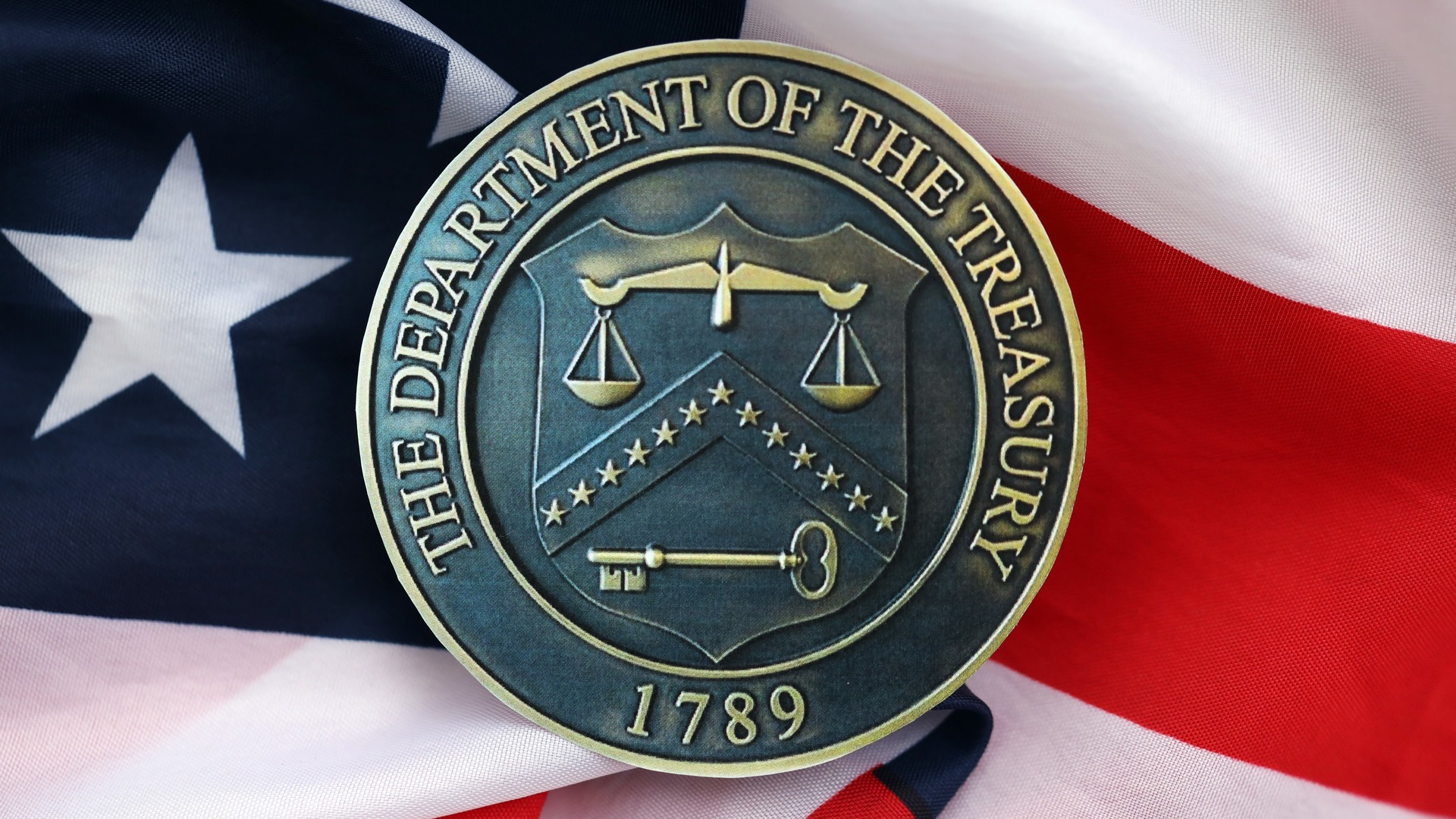
The Treasury Department is withdrawing two long-stalled cryptocurrency surveillance proposals, handing a major win to privacy advocates and the digital asset industry.
The Financial Crimes Enforcement Network (FinCEN) filed notices on Monday pulling back its 2020 "unhosted wallet" rule and a 2023 plan to brand international crypto mixing a "class of transactions of primary money laundering concern." Both notices are set to appear in the Federal Register on Tuesday.
In a Monday statement, the Washington crypto policy group Coin Center said the news was "a significant victory for financial privacy."
"The definition of mixing was extraordinarily broad, sweeping in common techniques used by ordinary cryptocurrency users to preserve their privacy," the group said. "And because FinCEN acknowledged the difficulty of determining where a mixing transaction occurred, we argued that risk-averse financial institutions would inevitably report even purely domestic transactions, with potentially severe collateral consequences for innocent users, including account restrictions or closures."
The wallet rule would have required banks and other financial institutions to report certain crypto transactions above $3,000 and $10,000 when customers held the assets in unhosted wallets — wallets that users control directly rather than accounts held with an exchange or other service provider.
The mixing proposal cast an even wider net. Mixing services pool funds from multiple users to obscure the link between where crypto originates and where it ends up. The proposal defined mixing as anything that obscured the source, destination, or amount of a crypto transaction, a definition that would have swept in pooled funds, split transfers, single-use wallets, and even swaps between assets. FinCEN said commenters warned the definition "could have a chilling effect on legitimate activity" and would bury institutions in paperwork. Under the plan, institutions would have had to hand over wallet addresses, transaction hashes, IP addresses, and customer identity details.
The reversal also tracks White House policy. A July 2025 report from the President's Working Group on Digital Asset Markets stated that "the Trump Administration supports the ability of lawful users of digital assets to privately transact on a public blockchain," and urged the Treasury to reconsider the rule. While acknowledging that criminals use mixers to launder funds, the report noted that lawful users rely on them for financial privacy.
FinCEN is not giving mixers a free pass. The agency said illicit actors "continue to use mixers and other tools and methods to hinder law enforcement investigations." It added that it will keep monitoring for money laundering and terrorist financing and may act in the future.
This post, written by Mathew Di Salvo, first appeared on Bitcoin Magazine.

