CNN's Berman Calls for 'Ominous Music' as Treasury Weighs Nearly $1 Trillion for Bond Purchases
Key Takeaways
- •The Treasury Department could tap nearly $1 trillion in its general account at the Federal Reserve to fund an increased pace of government bond purchases, according to two senior agency officials.
- •Foreign holders own roughly $9 trillion of the $28 trillion U.S. Treasury market, and yields on that debt serve as benchmarks for borrowing costs across the economy, from mortgages to corporate loans.
- •Analyst Rana Foroohar warned that using Treasury funds to prop up the bond market mirrors steps once taken by troubled emerging markets and is already making the dollar appear like a weaker bet.
- •The United States has imposed a 50 percent tariff on roughly $20 billion in Canadian goods, and Canada plans dollar-for-dollar retaliation on U.S. goods starting September 8.
- •Canada is the single largest source of U.S. crude oil imports and a major supplier of softwood lumber for U.S. home construction, meaning the dispute is expected to affect fuel, housing, and building costs, ahead of the scheduled 2026 joint review of the U.S.-Mexico-Canada Agreement.
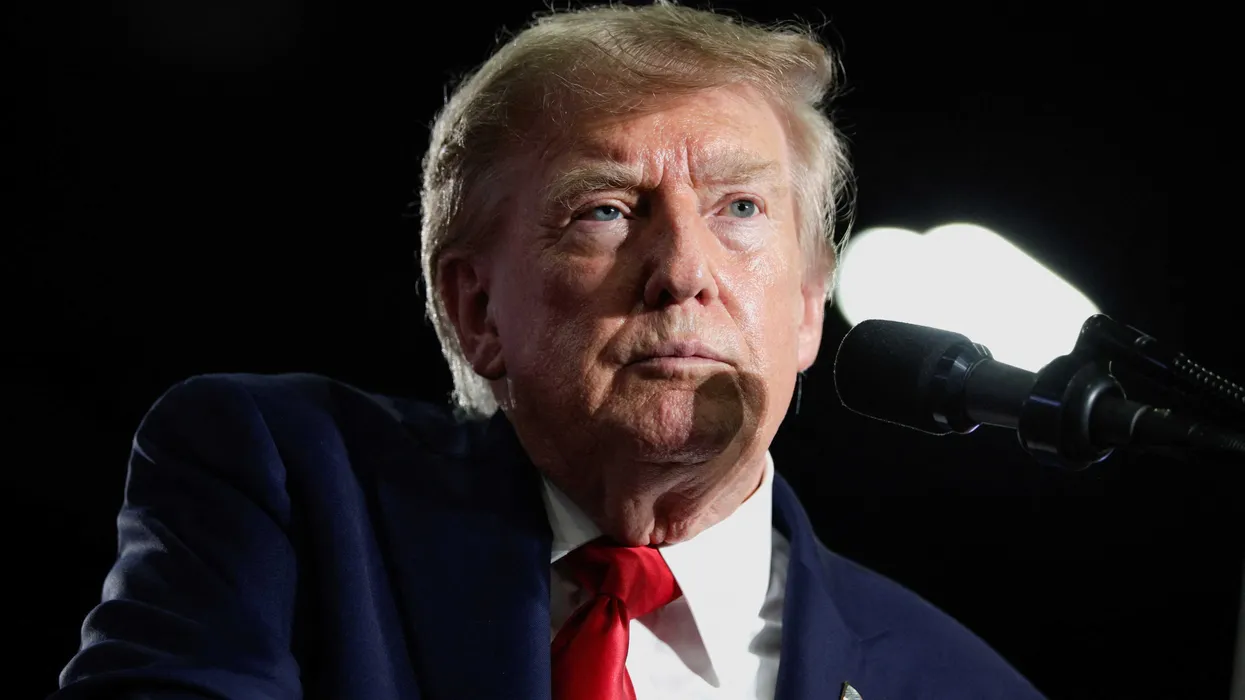
CNN anchor John Berman quipped that "ominous music" ought to accompany the latest reporting on President Donald Trump's economy, as new details emerged about a potential Treasury Department intervention in the bond market.
The Treasury Department could tap nearly $1 trillion in general accounts to fund an increased pace of government bond purchases, according to two senior agency officials — a move that CNN global economic analyst Rana Foroohar called "a really big deal" with troubling implications. The "general accounts" at issue are the Treasury General Account at the Federal Reserve — essentially the government's day-to-day checking account — while the Treasury market it would be buying into is the world's largest government bond market, with roughly $28 trillion in marketable debt outstanding.
The United States carries too much debt, Foroohar said, and international buyers increasingly do not want more of it. Foreign purchasers are wary of what they see as the president's mishandling of the economy and his unpredictable flip-flopping on which countries count as allies and which as adversaries. Foreign holders sit on roughly $9 trillion of U.S. Treasury securities, and yields on that debt serve as benchmarks for borrowing costs across the economy — from mortgages to corporate loans — so shifts in overseas demand carry consequences well beyond the trading desks that buy and sell the bonds.
Using Treasury funds to prop up the bond market and hold down borrowing costs, Foroohar warned, is the kind of step "troubled emerging market countries used to do" — not a message that reassures global investors. She added that it is already making the dollar look like a weaker bet, which is bad news both for the U.S. broadly and for anyone holding dollars. The dollar's long-standing role as the world's dominant reserve currency is what gives a shift in that perception such broad reach.
"I feel like we need ominous music to play when we talk about the bond market," Berman said. "Tremors in the bond market requires, like, dark, bleak music."
Foroohar attributed that bond market anxiety to the president's escalating trade war with Canada. The United States has imposed a 50 percent tariff on roughly $20 billion in Canadian goods — from dairy to alcohol to paper products — and Canada plans dollar-for-dollar retaliation on U.S. goods starting Sept. 8. The escalation tests one of the largest bilateral trading relationships in the world, a border over which the two countries exchange roughly $1 trillion in goods and services each year.
The analyst agreed with a Wall Street Journal editorial that called the fight "the dumbest trade war revisited," describing a trade war with America's closest northern ally as "idiocy."
While Canada is more economically exposed overall given the size of the U.S. market, Foroohar noted that Americans will feel real pain too, because Canadian lumber and energy imports are sensitive, already-strained categories tied to fuel, housing and building costs. Canada has long supplied a large share of the softwood lumber used in U.S. home construction — a flow the two countries have fought over through duties and litigation since the 1980s — and it is the single largest source of U.S. crude oil imports. The dispute also lands ahead of the scheduled 2026 joint review of the U.S.-Mexico-Canada Agreement, the trade pact that governs most commerce among the United States, Canada and Mexico.
Foroohar argued that economics and politics have become inseparable, especially heading into the 2026 midterms, with voters in both red and blue states expressing confusion and frustration over tariff policy.
She also pointed to the political dynamics in Canada, where Prime Minister Mark Carney has positioned himself as unwilling to capitulate to Trump — particularly over U.S. pressure on Canadian French-language content protections, a sovereignty issue Foroohar said would provoke any nation.
"Things like trying to prevent the Canadians from pushing French-language streaming content and cultural products, that's a sovereign issue," Foroohar said. "I mean, any nation would feel a little miffed if you say that they can't, you know, produce products in their own, you know, content in their own language. It's a dual-language country. That's something that is going to get anybody's back up, and Carney is certainly not going to take it lying down."
Source: YouTube

