Treasury's $4 Billion Bond Buyback Fuels an Unexpected Bitcoin Surge
Key Takeaways
- •Treasury Secretary Scott Bessent announced on Aug. 19 that long-term bond buybacks would at least double to $4 billion per operation, covering Treasurys with maturities of 10 to 30 years.
- •Bitcoin climbed from roughly $64,000 to approach $70,000 after the announcement, while gold also rallied as investors sought alternatives to the dollar.
- •Long-term Treasury yields quickly recovered much of their initial decline, and Bessent indicated that future buybacks could exceed the $4 billion level.
- •Supportive U.S. crypto policy developments, including a stablecoin law enacted in July, and a wave of bearish-position liquidations further fueled Bitcoin's gains.
- •The episode highlights Bitcoin's growing sensitivity to macroeconomic events, though buybacks alone cannot resolve concerns about inflation, deficits, and a national debt above $40 trillion.
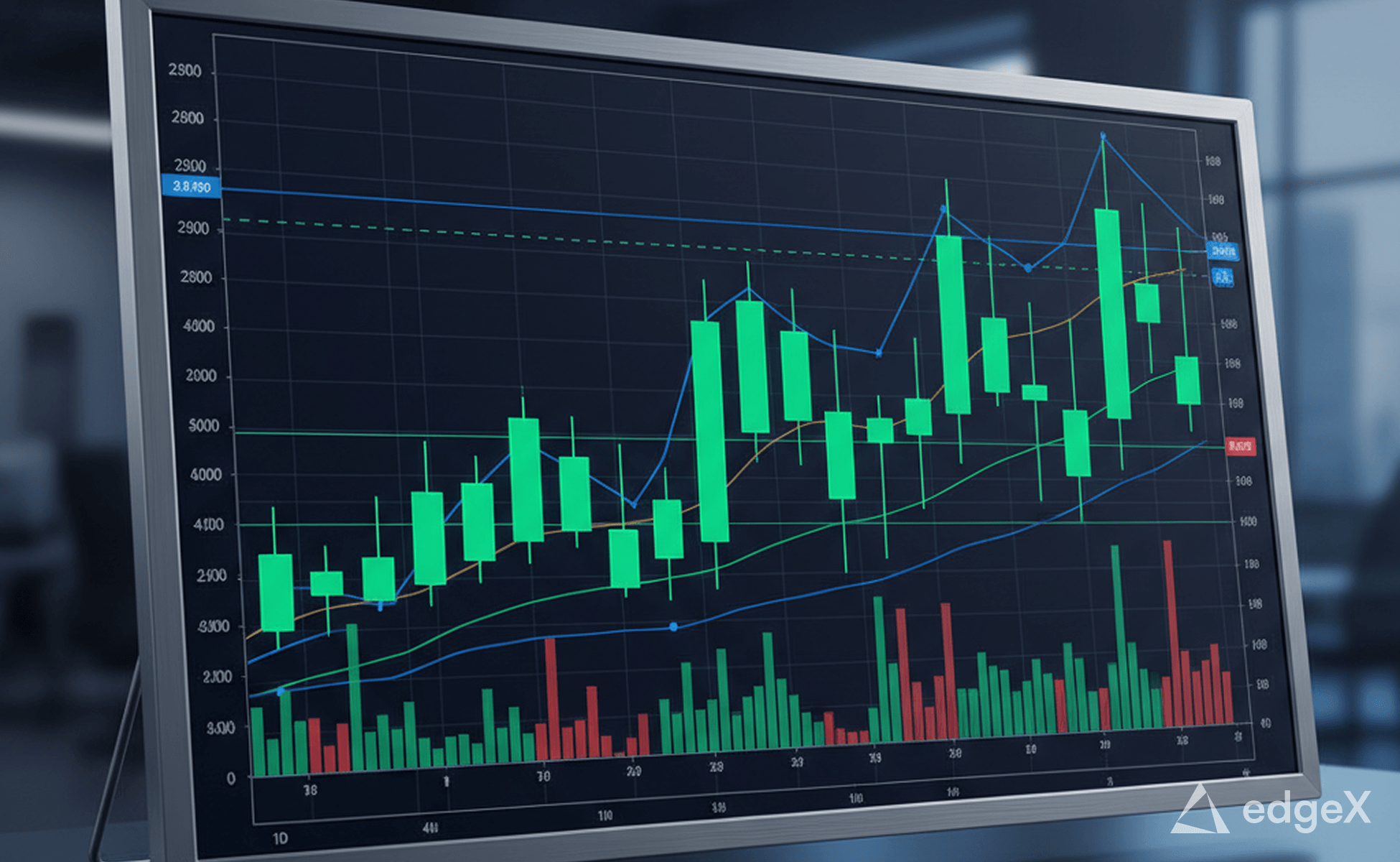
The U.S. Treasury set out to ease pressure on long-term borrowing costs. Instead, its latest bond-market intervention helped ignite a sharp rally in Bitcoin.
On Aug. 19, Treasury Secretary Scott Bessent announced that the department would at least double its long-term bond buybacks to $4 billion per operation. The purchases target Treasurys with maturities ranging from 10 to 30 years. Treasury revived regular buybacks in 2024, its first such program in more than two decades, and the operations have since become part of how the department manages its cash balance and supports trading conditions in the world's largest government bond market.
The plan initially produced the intended result. The 30-year Treasury yield fell sharply, while the dollar weakened. Bitcoin then climbed rapidly, approaching $70,000 after trading near $64,000 earlier in the session.
Why Bitcoin reacted so strongly
The bond operation sent a broader signal to investors. By purchasing long-dated government debt, Treasury reduces the amount of those securities available in the market, which can lift bond prices and push yields lower. Lower yields can also make riskier assets more attractive. Bitcoin benefited as investors interpreted the move as a potential liquidity boost and a sign that officials were willing to support financial markets.
Gold also rallied, reinforcing the view that investors were seeking alternatives as concerns about inflation, government debt and the dollar intensified.
However, the relief in the bond market did not last. Long-term Treasury yields quickly recovered much of their initial decline, and even at the higher level the operations remain small relative to the overall Treasury market. Bessent subsequently said future buybacks could exceed the $4 billion level, signaling that Treasury was prepared to intervene more aggressively.
Bitcoin keeps the momentum
Bitcoin's advance extended beyond the initial Treasury announcement. Supportive U.S. crypto policy developments, including a stablecoin law enacted in July, and a wave of bearish-position liquidations added fuel to the rally.
The episode highlights Bitcoin's growing sensitivity to traditional financial markets. A decision involving government bonds can now move cryptocurrency prices within hours, because investors increasingly trade Bitcoin alongside broader macroeconomic themes. In recent years the token has often moved in line with interest-rate expectations and technology-heavy stock indexes, a shift from its early framing as an asset independent of traditional finance.
For Treasury, the challenge is more difficult. Buybacks can improve market liquidity and influence yields, but they cannot by themselves resolve concerns about inflation, fiscal deficits and a U.S. national debt that has surpassed $40 trillion. The next scheduled checkpoints are the department's quarterly refunding announcements, where Treasury typically lays out its issuance and buyback plans, and the Federal Reserve's decisions on interest rates and its balance sheet, which shape the same long-term yield backdrop.

