Inside the Untapped Commercial Potential of the Tour de France
Key Takeaways
- •Approximately 90% of a professional cycling team's funding comes from sponsorship, making naming-rights partnerships critical to the sport's commercial structure unlike revenue models in Premier League football or the NFL.
- •The publicity caravan precedes the race by up to two hours with 170 vehicles and 18 million giveaways from 36 brands, attracting nearly half of roadside spectators who become organic brand ambassadors on broadcasts.
- •National federation sponsorships, such as Lloyds's partnership with British Cycling, represent an often-overlooked fourth pathway that has been integral to developing elite talent like Bradley Wiggins, Mark Cavendish, and Geraint Thomas.
- •The Tour de France Femmes avec Zwift, launched in 2022, offers a growing commercial platform as women's professional cycling attracts increased investment and broadcast audiences.
- •Brands can maximize returns by combining two or more sponsorship routes to create an interconnected ecosystem that maintains natural visibility throughout and beyond the race period.
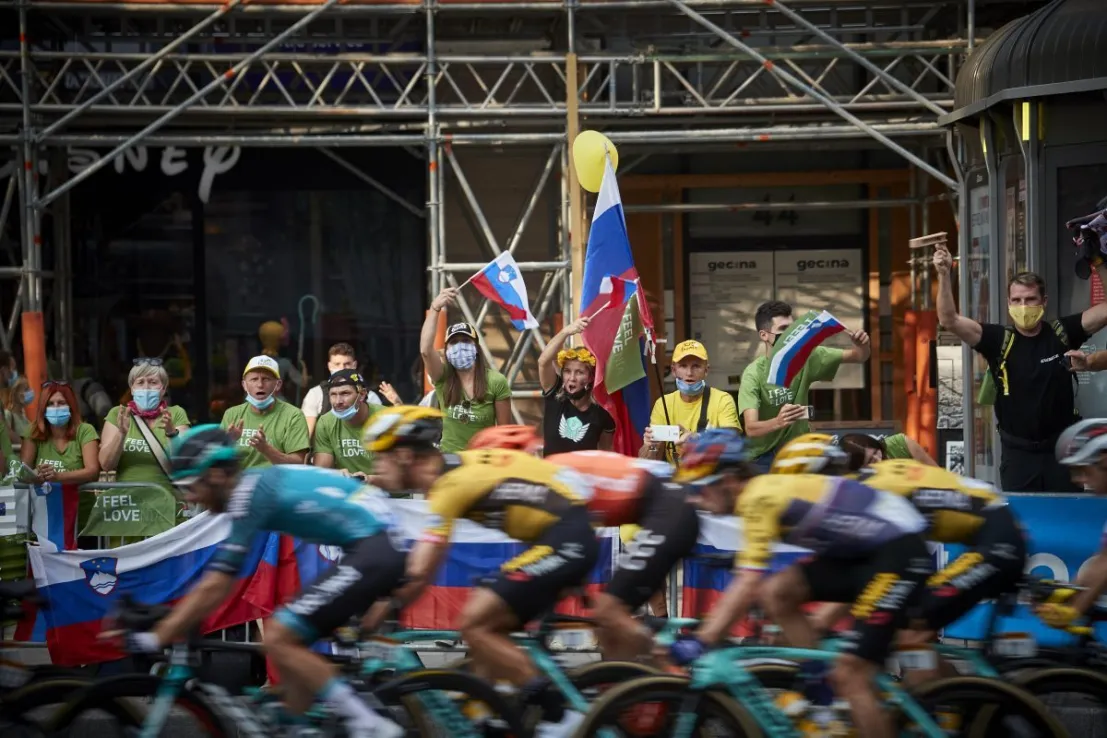
The Tour de France stands as the most attended annual sporting event in the world, drawing more than 12 million spectators to the roadside each year for the historic three-week race. The event is broadcast to approximately 190 territories worldwide, giving sponsors a global stage that recurs every July. Its UK audience is also on the rise, with the 2026 broadcast attracting 41 per cent more viewers than the previous year.
Despite that enormous reach, many brands continue to underestimate the breadth of commercial opportunities that cycling presents. Sponsorship at the Tour de France generally falls into three distinct categories: backing a team, partnering with an individual rider, or aligning directly with the event itself.
Three Pathways In
Roughly 90 per cent of a professional cycling team's funding comes from sponsorship, making naming-rights partnerships critical to the commercial model — a stark contrast to sports like Premier League football or the NFL, where broadcast rights deals and matchday revenue underpin team finances. The former Team Sky — which became Ineos Grenadiers following its sale to Sir Jim Ratcliffe in 2020 — illustrated the power of this approach, with its black jerseys becoming synonymous with British cycling's golden era. These partnerships allow sponsors to embed themselves within a team's identity and legacy.
The second route involves partnerships with individual riders. Given the sport's emphasis on selfless teamwork, such deals are uncommon and only effective in select circumstances. Richard Mille's agreement with Tadej Pogacar is a notable example: the highly televised Tour de France delivers hours of exposure with the product naturally visible. Similarly, Red Bull's individual sponsorship of Tom Pidcock — a two-time Olympic gold medallist in mountain biking — demonstrates how brands can harness the star power of riders who hold expertise and profile across multiple disciplines.
The third sponsorship route comes through the event itself. Nearly half of roadside spectators say they attend primarily for the publicity caravan, which arrives up to two hours before the race featuring 170 vehicles, 36 brands, and 18 million giveaways. It transforms the roadside into a festival atmosphere, so when television cameras pan across the route, thousands of spectators are seen wearing Skoda's green hats and E.Leclerc's polkadot jerseys — granting those brands hours of organic exposure throughout the broadcast. The hats and jerseys become keepsakes, worn at future races, displayed at home, or brought out year after year.
There is also an often-overlooked fourth option: sponsorship through a national federation, such as Lloyds's current partnership with British Cycling. Federation sponsorships have been integral to the growth of the sport in the UK, helping provide the framework and structure for success both on the track and at the Tour de France, as seen with riders like Bradley Wiggins, Mark Cavendish, and Geraint Thomas. These long-term sponsorships can pay dividends through standout moments at individual events.
Untapped Opportunities
Yet the concentration on these dominant sponsorship routes has left largely untapped opportunities for brands within the event itself and across the wider cycling ecosystem. The Tour de France Femmes avec Zwift, launched in 2022, represents one such growth area, steadily expanding its own broadcast audience and commercial base as women's professional cycling attracts increased investment and visibility. Brands that understand the individual stories within teams — of which there are many — can amplify them to powerful effect. Torstein Træen's remarkable comeback from testicular cancer to wear the yellow jersey this year demonstrates that even a brief spell in cycling's most recognisable jersey can generate enormous visibility.
There are also distinctive opportunities for newer, novel activations that sit outside conventional partnership structures. The standout example is Skoda's red director's car, a twenty-year partnership that emerged because the car manufacturer recognised the race director could carry a sponsorship of his own.
For ambitious brands, the ultimate value at the Tour lies in combining two or more of the three sponsorship routes to create an interconnected brand ecosystem. A well-designed blend of rider sponsorships and publicity merchandise can represent a brand naturally in different ways throughout the Tour and genuinely fuse its name with the event.
While the Tour de France's sponsorship system is well-defined and commercially successful, unharnessed potential remains. Partnerships can become broader, more distinctive, and more authentic, delivering value far beyond the three race weeks in July.
Geordie Stewart is Head of International Partnerships at Influence Sports.

