Sen. Tom Cotton Says He Warned Trump Administration About AI Chips Smuggled to China Before Nvidia Scandal
Key Takeaways
- •Senate Intelligence Committee Chairman Tom Cotton says he sent multiple letters warning President Trump and Commerce Secretary Howard Lutnick about U.S. AI chips being smuggled to China before the Nvidia scandal erupted.
- •Cotton holds the Commerce Department accountable for the potential security risk because it enforces export controls meant to keep advanced AI semiconductors out of China, but he has not outright demanded that Lutnick step down.
- •President Trump has said publicly that he has no plans to replace Lutnick and has defended his handling of the Nvidia scandal.
- •Cotton urged Trump to move quickly on a successor while Republicans still control the Senate, since Democrats are set to take over in January 2027 and any replacement requires Senate confirmation.
- •Cotton welcomed the administration's shift toward a harder line on China, citing Marco Rubio among those coming around to his view, but argued it came too late and called for cataloging the damage from the smuggled chips.
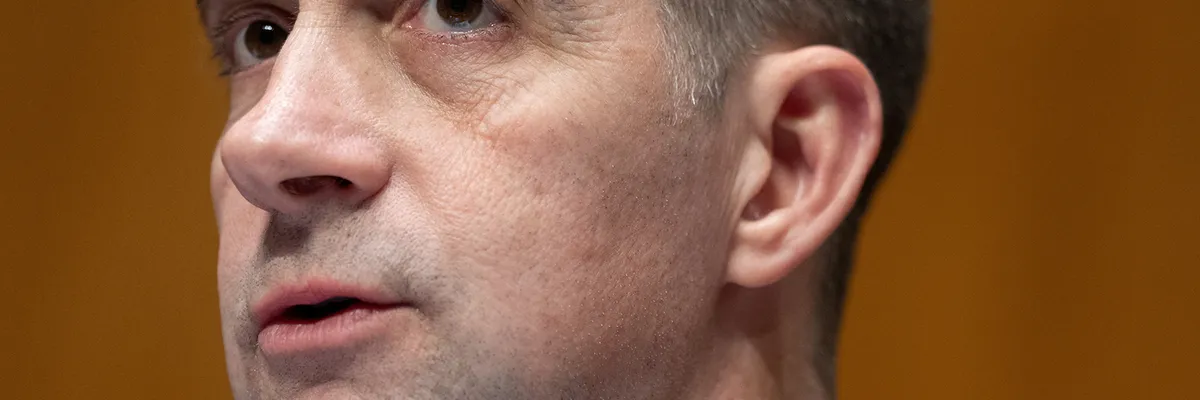
Sen. Tom Cotton (R-Ark.), chairman of the Senate Intelligence Committee who takes a hard line on China, is detailing the warnings he says he gave to President Donald Trump and his administration — specifically Commerce Secretary Howard Lutnick — about U.S. artificial-intelligence chips being smuggled to China, before the recent Nvidia scandal erupted.
The dispute lands on the Commerce Department for a structural reason: the agency administers U.S. export controls, including the rules meant to keep advanced AI semiconductors out of China, making it the entity responsible for enforcing those restrictions.
Cotton blames the Commerce Department for the potential security risk but stops short of explicitly calling for Lutnick's resignation, leaving that decision to the president.
“If Howard Lutnick wanted my support, perhaps he should have responded to my many letters warning about these Chinese communist front companies and, more importantly, taking the threats of communist China more seriously,” Cotton said in an exclusive interview with The Wall Street Journal.
With the scandal now in the open, Cotton argues the administration has no choice but to admit that its lackadaisical posture came at a cost. He supports the shift in the Trump administration's position on China but believes it should have come sooner, and says the situation was preventable. Advanced AI chips are among the most contested technologies in the U.S.–China relationship, which is why alleged gaps in export enforcement carry weight well beyond a single company or agency.
“I'm glad that some folks in the administration are finally coming around to a view that I have championed and that others in the administration have as well,” Cotton said, calling out national security adviser Marco Rubio, who also serves as secretary of state and is a China hawk. “It's just a bit late, regrettably,” Cotton added, “and I think we need to catalog the damage that's been done.”
Trump, to date, has stood by Lutnick, though the president's loyalty to his Commerce secretary has not been well received in the aftermath of the fallout. Trump has said publicly that he has no plans to replace Lutnick and has defended his handling of the Nvidia scandal.
Cotton told the Journal that if Trump no longer trusts Lutnick, he should ask him to resign. He urged the president to move quickly to propose a successor while Republicans still control the Senate, which Democrats are set to take over in January 2027 — a deadline that matters because any replacement would require Senate confirmation, where the chamber's majority shapes how smoothly the process moves. Time, Cotton said, is of the essence.
Cotton added that Trump has long known his views on China policy and the threat China poses, saying the president has been aware of his stance since the transition period before Trump's first term in 2016. The next moves to watch are whether Trump keeps Lutnick in place, whether a successor is nominated before the Senate's balance shifts in January 2027, and how the administration responds to Cotton's call to catalog the damage from the smuggled chips.

