Historian Timothy Snyder Says Trump's 'Strongman' Act Masks an 'Essentially Weak Character'
Key Takeaways
- •Timothy Snyder argued that President Trump's strongman posturing conceals fundamental weakness, describing him as an essentially weak character whose political influence is fading.
- •According to Snyder, Trump's campaign appearances ahead of the November midterms no longer help struggling Republican candidates and instead serve to show his base that he remains relevant.
- •Snyder said tech billionaires he calls "broligarchs" will stay aligned with Trump because access to the White House lets them seek wealth quickly, even without respecting him and even as his political position declines.
- •Snyder identified Trump's fear of losing and of being humiliated as a personal anxiety that explains behavior conventional political analysis cannot account for.
- •Snyder advised that if Democrats win control of Congress in November, they should investigate corruption and push reforms to limit the influence of money in politics, calling it a historical chance.
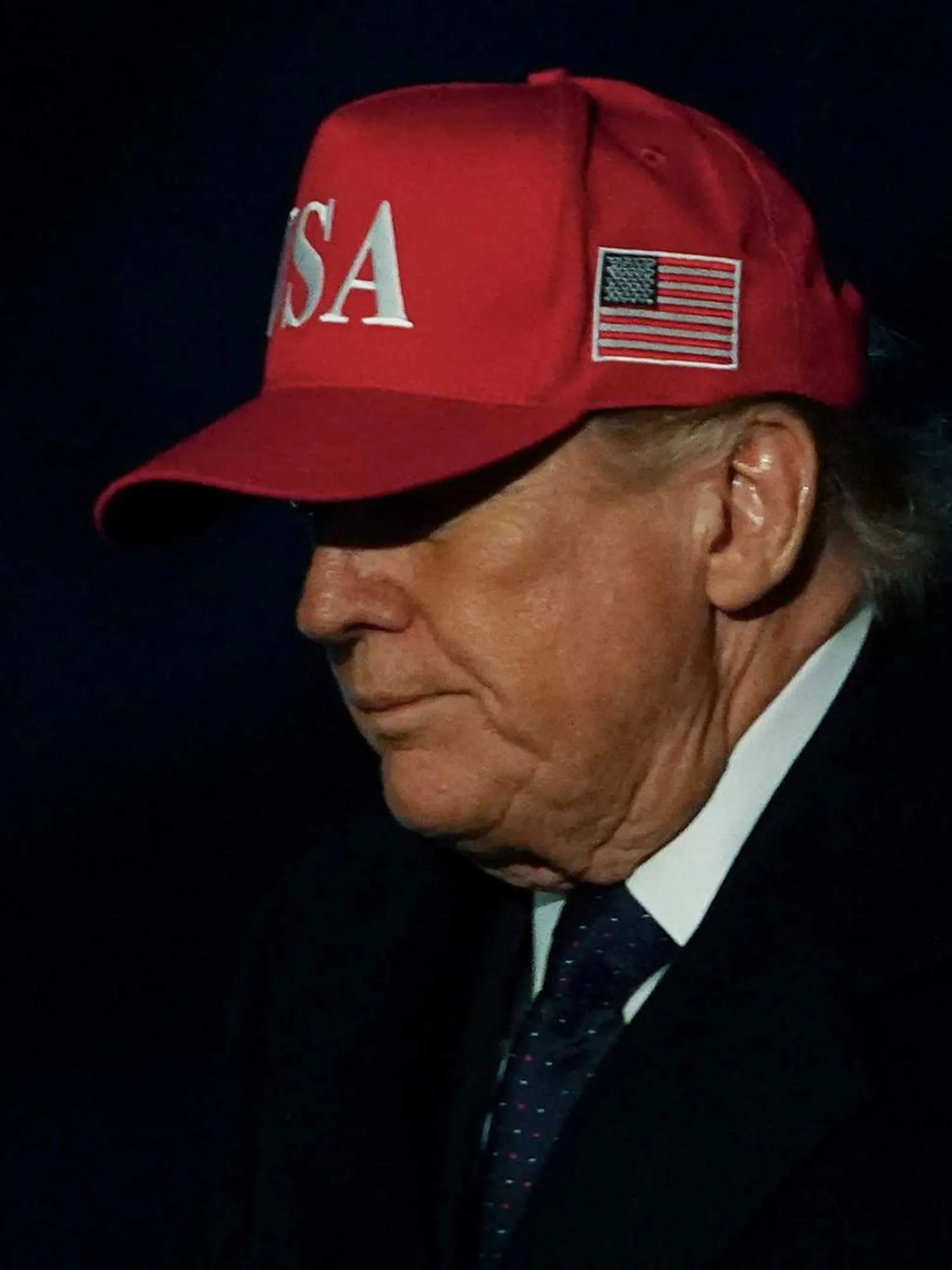
Award-winning historian Timothy Snyder argues that President Donald Trump's strongman posturing conceals a fundamental weakness, contending that the president's political influence is fading even as the billionaires in his orbit keep profiting from his administration.
Snyder, best known as the author of the bestseller On Tyranny — a 2017 guide to recognizing and resisting authoritarian tactics drawn from twentieth-century European history — made the remarks in an interview with Kai Wright, host of The Guardian's US news podcast Stateside (listen here), on Tuesday. "I think Trump is an essentially weak character," he said.
The historian rejected the idea that Trump's unpredictable behavior is a sign of strength. In his view, the president depends on a politically favorable atmosphere and has grown increasingly convinced that he can no longer keep his Republican supporters satisfied.
Discussing the November midterm elections, in which every seat in the House of Representatives and roughly one-third of the Senate will be on the ballot, Snyder said "the other level of desperation is that Trump doesn't help anymore," adding, "His presence doesn't help."
According to Snyder, Trump's campaign appearances have become less about helping struggling candidates hold their seats and more about proving to his base that he is still relevant. "Nobody actually wants him around on the Republican side, but of course they can't stop him from showing up," he said.
The conversation also turned to Trump's television ads, which Wright noted were financed with taxpayer money. Snyder described their appeal as a call for personal devotion rather than confidence, saying the thrust of the ads amounts to "Love me, love me, love me, love me."
Billionaires Behind the Curtain
In Snyder's assessment, the president's apparent strength is especially misleading because wealthy figures wield influence behind the scenes. He called Trump "the revolving door for more powerful men than he to try to seek wealth very quickly," referring to the tech billionaires he has dubbed "broligarchs."
"They never respected him," Snyder said, describing Trump as "just kind of a fool who will be satisfied with what from their point of view is a very small amount of money."
In his view, those wealthy allies will stick with Trump because they still gain access to the White House and can keep drawing benefits from it, even if the president's political position keeps declining.
Snyder cautioned that Republican loyalty to Trump rests on a contradiction, with senior officials publicly embracing a figure he sees as becoming weaker. He suggested the spectacle may one day turn from "a kind of religious melodrama" into "slapstick comedy."
Fear of Losing
The historian, who has long warned against authoritarianism in American politics, identified another of Trump's weaknesses: his fear of embarrassment. "He's afraid of losing. He's terrified of being humiliated," Snyder said, arguing that personal anxieties can explain actions that conventional political analysis cannot.
Still, he warned that Trump's weakness alone will not guarantee meaningful change. If Democrats win control of Congress in November, Snyder advised, they should investigate corruption and push reforms that would limit the influence of money in politics.
"We're in front of a historical chance," he said. "I worry most about people not taking that chance."
This article is adapted from reporting by Alternet. Snyder's remarks were made on The Guardian's Stateside podcast.

