Historian Timothy Snyder Urges Americans to Prepare Now for Trump's 'Rigged' Election Claims
Key Takeaways
- •Historian Timothy Snyder predicted that Donald Trump will allege the Nov. 3 election was rigged and argued Americans should prepare their response before the claim is made.
- •Snyder, speaking with former GOP strategist Steve Schmitt, urged Democrats to anticipate a bigger victory than expected and to plan for governing rather than only reacting to Trump.
- •He compared Trump's potential tactics to those used by Hungarian Prime Minister Viktor Orban, asserting that Trump has no genuinely new playbook.
- •Snyder said Democrats must immediately frame a victory around issues such as the affordability crisis, gas prices, and corruption to inoculate the public against rigging claims.
- •He referenced retired Judge Michael Luttig's warning that Republicans could refuse to seat elected Democratic lawmakers, noting the outcome depends on the Democratic margin, perceived legal risks, and the broader atmosphere.
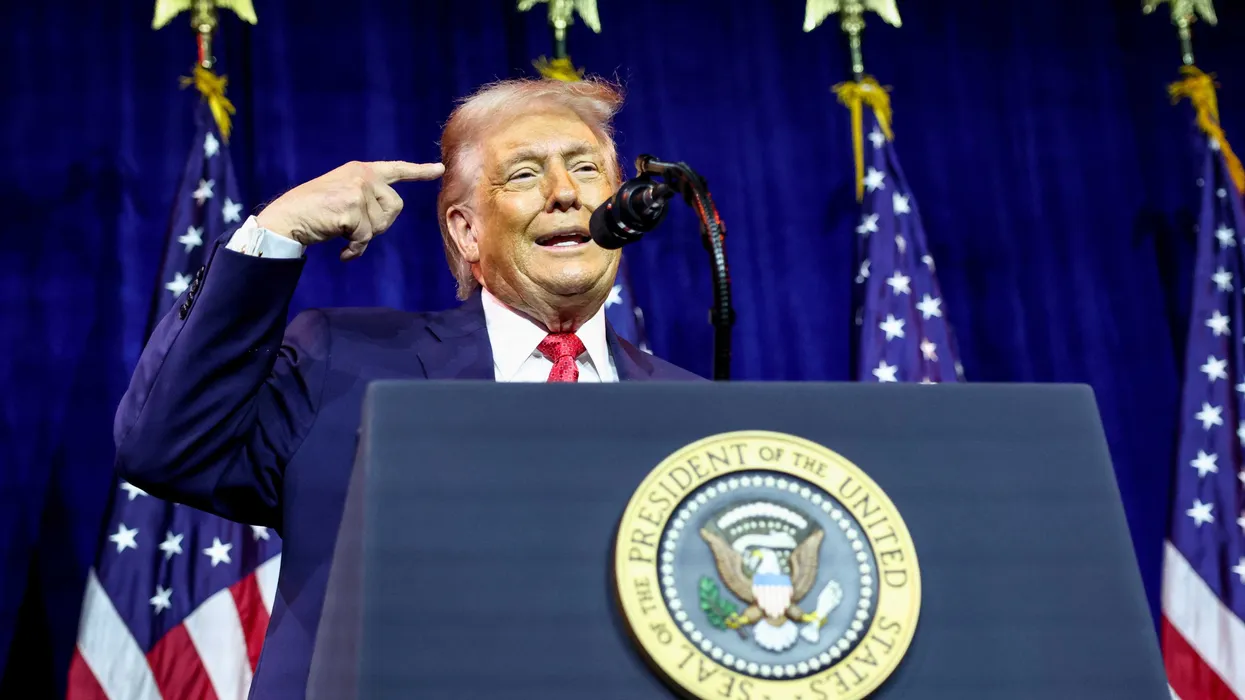
Historian Timothy D. Snyder says he already knows what is likely to unfold on the evening of Nov. 3: allegations from Donald Trump that the election was "rigged." His message is that Americans should be organized and ready to respond quickly — ideally before the claim is even made.
For Snyder, a historian scholarship has examined how democracies come under strain and whose book "On Tyranny" distilled lessons from twentieth-century authoritarianism, the warning fits a long-running theme: preparation has to come before the crisis, not after it. Speaking with former GOP strategist Steve Schmitt, he argued that the sequence should not be understood as voting first and acting afterward.
"The other part is being prepared to win," he said, "because I agree with you completely in your forecast. I think this is going to be overwhelming. I think it's going to be bigger than people think, basically. And I think, if anything, the Democrats are scared to imagine how big their victory is going to be, because if it's big they're going to have to take responsibility for stuff. So, part of it is not just voting and being like, 'Oh, what is Trump going to do?' But think, you know what? The people I'm voting for are going to win. And I'm willing to take action along those lines, which means telling people how I voted, telling people what I expected, doing your own media work."
That also means, he said, that Americans must "call the shot in advance" — a pool metaphor for announcing which ball will drop into which pocket before taking the shot.
"However we think it's going to go, your scenario is very plausible. Probably I have some other ideas of what they might do," he continued. "But whatever they do, it's what losers do. And you have to get that out ahead of time and you have to be ready to laugh at it. Like every trick that Trump can play has been played by Viktor Orban, or has been played by somebody else in the last couple of years. You have to get out in front of people and say, look, when they do that — like when Trump claims that he won, that's what he did because he lost, right? And it's the kind of thing that losers do."
Orban, Hungary's prime minister since 2010, has become a frequent reference point in debates over democratic backsliding — the comparison Snyder invoked to argue that Trump has no genuinely new playbook.
In the media arena, Snyder said, Democrats must be ready to tell the story of why they won and how they intend to use that victory to deliver on top issues such as the affordability crisis, gas prices and corruption.
"Morning of Nov. 4th we should be thinking about money out of politics, end of corruption. We should be thinking about things that are good that could happen," Snyder said.
Framing the aftermath that way, he argued, would inoculate the public against Trump's contention that he actually won and that the result was rigged.
"Trump going on TV and saying, well, you know, I'm raising my hand to say that, by the way, they stole the election again — it will seem a little archaic and silly," Snyder explained, especially "if you can put it in the context of, 'Hey, we actually have a moment of hope.'"
He cautioned that ceding the narrative to Trump would give the president a better chance of being taken seriously. In his view, Democrats and their allies should instead frame the moment as "we're going to start doing really important and transformative stuff," adding, "I think that makes the setting much harder for Trump to do the kind of thing that you're describing."
Snyder also pointed to one of the disaster scenarios raised by conservative retired Judge Michael Luddig: that Republicans could refuse to seat any of the Democratic lawmakers elected in November. Snyder believes Trump has likely already discussed that possibility, along with every other contingency.
"We should deny that Trump is omnipotent, because he's not," he said. "And the things that he might wish to happen still depend on other people fulfilling his wishes, and whether they fulfill his wishes are going to depend on how big the Democratic victory is, whether those people think that they might go to prison for what they're doing and also the overall atmosphere."
In his telling, none of that is predetermined: the size of the Democratic margin, whether those pressed to act on Trump's wishes believe they could face prison for doing so, and the overall atmosphere are the variables to watch once the votes are counted.

