Historian Timothy Snyder urges Democrats to move fast and publicly to break Trump's corruption spell
Key Takeaways
- •Historian Timothy Snyder contends that Trump's political resilience comes from convincing voters that corruption is universal in Washington, causing each new scandal to reinforce rather than weaken him.
- •Snyder is calling on Democrats to conduct highly public investigations and push legislation limiting money in politics, stressing that voters need to see action rather than hear about behind-the-scenes reforms.
- •Snyder identifies a narrow November-to-January timeframe for Democratic action, predicting that by spring the public will revert to believing the entire political class is corrupt.
- •Snyder points to Hungary, where Viktor Orbán's government was defeated after the opposition tied public anger over corruption to a broader narrative, as a model Democrats should follow.
- •Democrats captured both houses of Congress in the Nov. 3 elections and pledged aggressive oversight of Trump's family, business, and administration, though his promised vetoes of Democrat-led bills leave investigations as their main independently available tool.
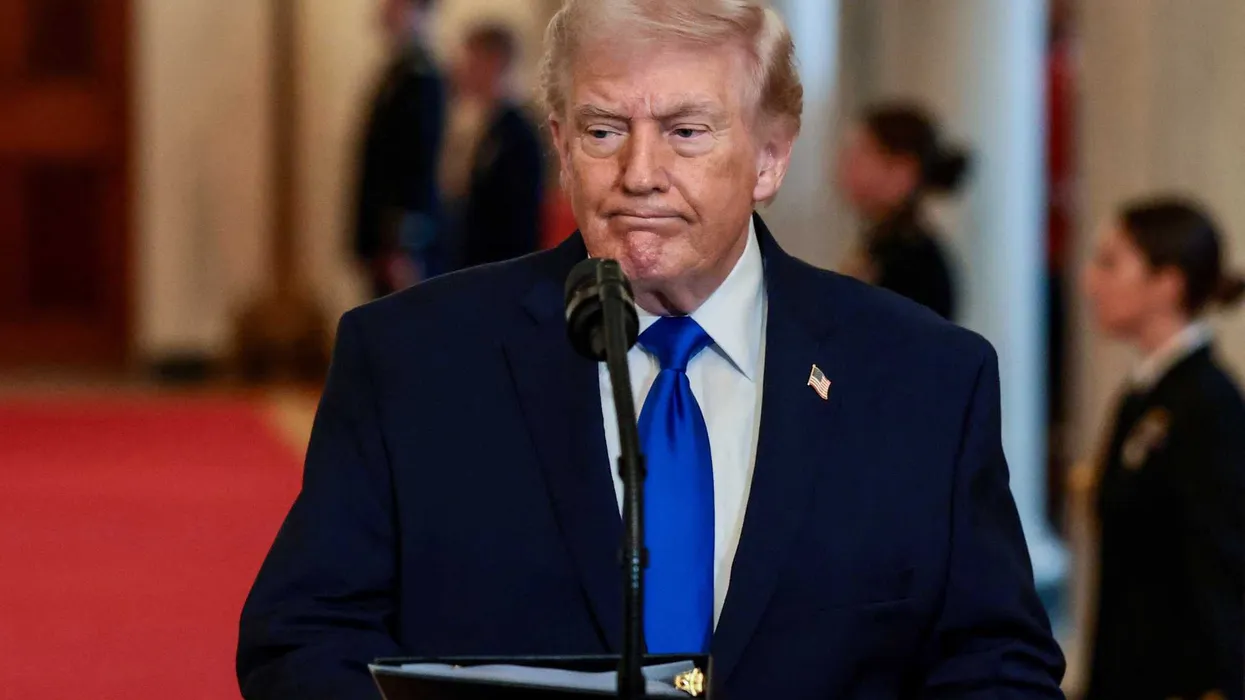
President Donald Trump has been carried through numerous scandals not by his lawyers or his wealth, historian Timothy Snyder argues, but by a durable political device: his ability to convince people that every politician in Washington is corrupt. Snyder, author of "On Tyranny," believes Democrats have a small window to break that spell, and in an interview with Public Notice's Aaron Rupar he laid out the strategy he thinks can do it.
Corruption, Snyder said, is currently at the top of many people's minds. He noted that a majority of Americans believe the system is broken, while also viewing Trump as more corrupt than the presidents who came before him.
That combination is where the problem lies, in Snyder's analysis. Trump's staying power has been predicated on the idea that all politicians are corrupt. Once the electorate believes that every single person in Washington is crooked, Trump can position himself as simply the one who plays the game better. In Snyder's view, Trump's pitch amounts to something of a confession: everyone lies, everyone is corrupt, but he is better at it and more charming about it. That, in his telling, is why scandal after scandal has not dislodged Trump: when corruption is assumed to be universal, each new accusation functions as confirmation rather than as a shock.
To stop Trump from slipping out of the noose, Snyder said Democrats need to move fast, and do it publicly. He is calling for "ostentatious investigations" along with legislation that would limit the role of money in politics. The public, he stressed, needs to see the action, not merely hear about reforms being carried out behind closed doors.
Timing is everything, Snyder told Rupar. He believes Democrats need to be on the move in November and January. If they are not, he expects that by spring the public will have returned to the mindset of believing the whole political class is corrupt, terrain Trump knows exactly how to survive.
"As far as an emergency brake, I agree with you. I would just say you pull the emergency brake and then you jump out of the car and you get another one because the task is not fixing what we have at this point. The task is building something different," he said.
Snyder has been hammering this idea for a few months now. In June, he appeared on The PoliticsGirl podcast and was rather direct about it. "Giving billions of dollars of tax money to his friends is not popular," he said.
He has also pointed to Hungary as an example, where Viktor Orbán's government was defeated after the opposition successfully linked public anger about corruption to a larger narrative. That, Snyder argues, is the strategy Democrats should adopt, rather than merely promising to bring the electorate back to normality.
The advice is being put to the test now. Democrats took both houses of Congress in the Nov. 3 elections, in a campaign focused on voters' frustration with the cost of living and perceptions of public corruption. House Democrats have said they will engage in very aggressive oversight of Trump's family, business and administration. "There is a cost to corruption," House Democratic leader Hakeem Jeffries told the media before the elections.
Snyder's legislative strategy may not come to fruition, since Trump has said he will veto any bill led by a Democrat. That leaves investigations, which are something the electorate can actually see, as the avenue Democrats can pursue on their own. The markers to watch are straightforward: whether House Democrats turn their oversight pledges into visible public action within Snyder's November-to-January window, and whether any legislation limiting money in politics advances despite the veto pledge hanging over it. If Snyder is right, the window to act is already closing.

