Former MSNBC host Tiffany Cross compares ex-boss to an “overseer”
Key Takeaways
- •MSNBC canceled Tiffany Cross's Saturday morning program The Cross Connection in November 2022 and did not renew her contract, following reports that executives viewed her commentary as too sharp.
- •In a recent interview with Forward by Charles Blow, Cross said Rashida Jones, who was then MSNBC's president and has since stepped down, fired her.
- •Cross said Black professionals should not assume that working for a Black boss protects them from workplace politics, describing Jones as "more overseer than freedom fighter."
- •Cross argued that institutions elevate people they feel comfortable with and are designed to pit women, particularly Black women, against one another, saying she and Jones were both victims of that dynamic.
- •Jones's leadership of MSNBC was widely noted as an industry milestone as the first time a Black woman led a major U.S. cable news network.
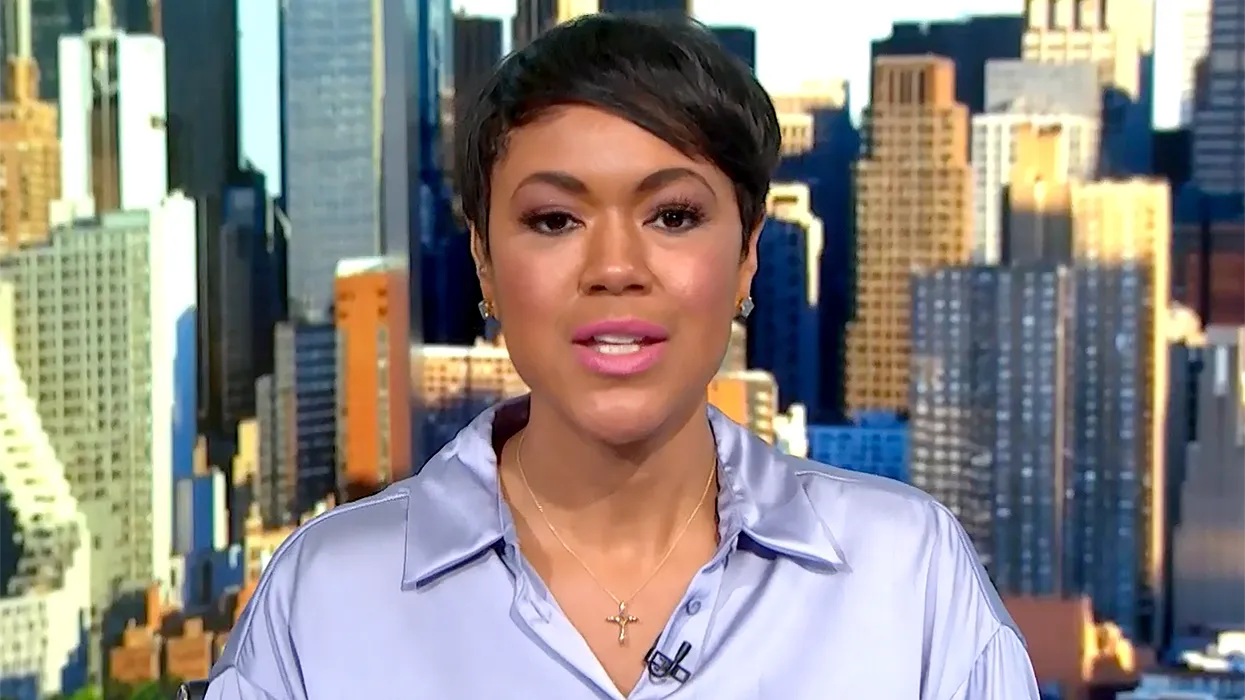
Tiffany Cross is discussing her departure from MSNBC, where the network canceled her Saturday morning program, The Cross Connection, in November 2022 and did not renew her contract. Reports at the time said network executives had become concerned about Cross’ commentary, which they viewed as too sharp and often at odds with their preferred style. She also faced criticism from peers on rival cable networks and political figures, and was compared with other hosts. Her remarks add a firsthand account of the exit to the press reports that circulated at the time.
In a recent interview with Forward by Charles Blow, Cross described the challenges she encountered while working under Rashida Jones, who was then MSNBC’s president and has since stepped down from the role. Jones’ ascent to the network’s top job was widely noted as an industry milestone — the first time a Black woman had led a major U.S. cable news network. Although Jones was a Black executive, Cross said she had expected some protection or solidarity and instead experienced the opposite. Cross said she was fired by Jones.
Cross said Black professionals should abandon the assumption that working for a Black boss automatically protects them from workplace politics. She noted that Black people often celebrate when someone who looks like them reaches the highest levels of an institution.
“Often when we see Black folks elevated to a position of power, we celebrate it. When I see someone reach the helm, the pinnacle of a career, and they look like me, it’s an, ‘Oh, your win is my win.’ Collectively, we have won,” Cross said. “As we navigate this time now, I think we have to start giving some more thought to that. Are we celebrating having a Black version of one of them?”
Blow then asked Cross directly, “Do you think your boss was a black version of one of them?”
“Oh, yes. 100% percent Yeah, definitely. I think she was more overseer than freedom fighter,” Cross replied.
Cross said she now understands that the system is structured in this way. She added that although it may not have been Jones’ intention, Jones was also shaped by the same oppression. Cross said she wrote about Jones in her book and tried to extend her some grace because she, too, was part of the system.
“I write about her in the book; I try to extend her some grace as well because she too is a part of this system. And I think that can happen in the climbing of this corporate ladder that we all do. You have people learn from the white corporate structure that was built by them for them. They learn how to maneuver and how to operate by watching them. And doing that they can ascend,” Cross said.
She acknowledged that Jones’ rise—from the Weather Channel to leading a network—was a significant achievement. Cross said institutions elevate people with whom they feel comfortable, and that Jones upheld many newsroom systems that Cross had challenged.
“There is some level of knowing that they elevate those who they feel comfortable with. So I think there was a level of that; she upheld a lot of the systems in the newsroom that I had a challenge with. But that was the system that she followed,” Cross explained.
Cross also said the system is designed to pit women, particularly Black women, against one another, and that she believed both she and Jones were victims of that dynamic.
“Here you have these two Black women who reach the top of their careers by very different paths, and we see each other at the top. So I look across the roof at her like, ‘Cheers girl, we made it.’ I was honored to host my show at a time that this Black woman was leading the network, and I considered it part of my responsibility to make sure we're all okay,” Cross said.
Cross suggested that Jones was receiving feedback about her reporting style and that an internal struggle may have taken place. Ultimately, Cross said, Jones chose corporate politics over what she probably believed was right.

