Senate Republican Leader John Thune Warns GOP Senate Majority at Risk in Midterms
Key Takeaways
- •Thune said he is more worried about Republicans losing their Senate majority than about losing the legislative filibuster, describing the Nov. 3 election environment as competitive with 62 days remaining.
- •Thune said he supports lowering beef prices but opposes the administration's foreign beef import plan, citing South Dakota's cattle producers and efforts to rebuild herds.
- •Thune called Trump's Iran war 'very successful' but raised concerns about the Strait of Hormuz and its impact on U.S. gas prices.
- •Thune said data centers should supply their own power and water and should not be built in localities that do not support them.
- •The USDA's Food Safety and Inspection Service, which inspects domestic and imported meat, is facing a shrinking support workforce.
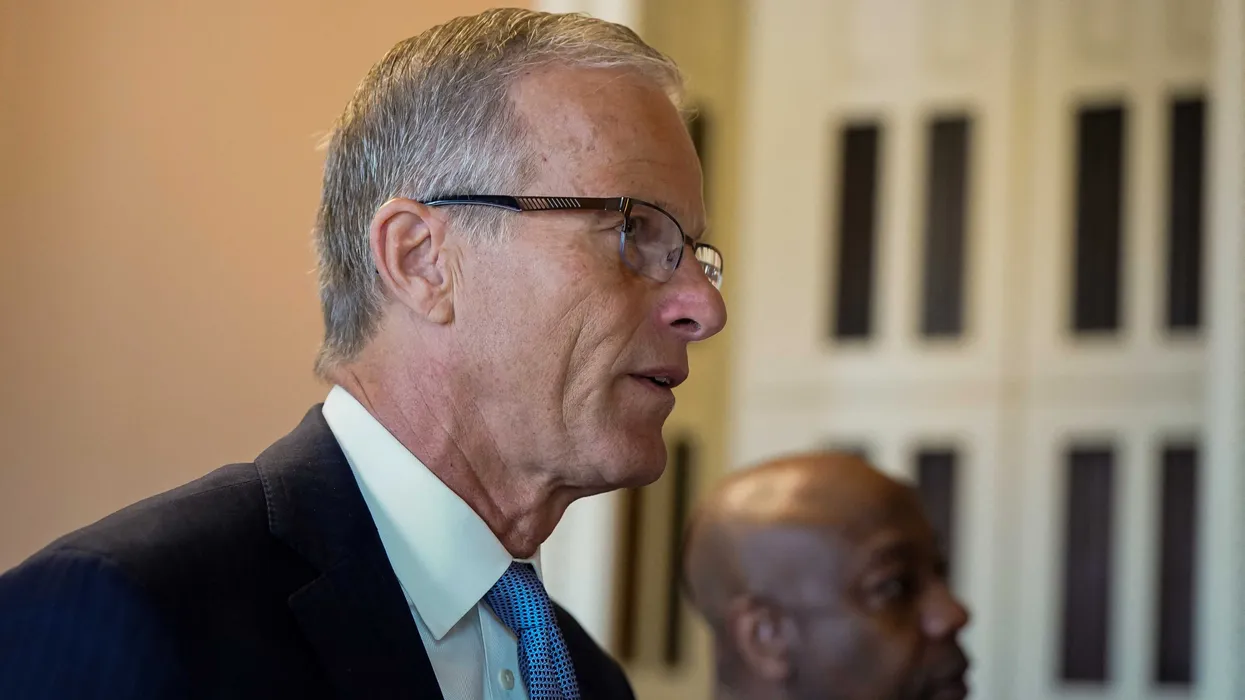
Senate Minority Leader John Thune (R-S.D.) has voiced concerns about the upcoming Nov. 3 election, now just 62 days away. In an interview with his local CBS affiliate, KELO-TV, Thune said he is less worried about losing the legislative filibuster than about Republicans holding their Senate majority.
“I worry about that, for sure,” Thune said. “I’m a realist, and I just think you, I don’t ever try and sugarcoat things. I think it’s a competitive environment right now. I think we got the highest-quality candidates.”
Thune cited a number of reasons for the competitive landscape, saying they all tie back to President Donald Trump's policies. Midterm elections historically pose risks for the party holding the White House, and Senate control in recent cycles has repeatedly hinged on a handful of close races, a backdrop that makes incumbents' public assessments of the map notable even when, as in Thune's case, they express confidence in their candidates.
Addressing the question of importing foreign beef at a time when the USDA’s Food Safety and Inspection Service (FSIS) faces a shrinking support workforce, Thune said, “I’m sympathetic to what he’s trying to get done.” He does not, however, appear to support the import plan itself. The FSIS workforce reduction matters because the agency is responsible for inspecting both domestic and imported meat, and beef prices have been a sustained point of political friction for the administration.
“He’s trying to lower beef prices, which I think we’re all supportive of. I just don’t think this is the way to do it. And so, we have a lot of beef producers here in South Dakota; they produce the highest-quality beef in the world, and we’re trying to build our herds back up,” he explained. South Dakota is among the top U.S. states for cattle production, making the import question a direct economic issue for Thune's constituents.
In the wide-ranging interview, Thune also praised Trump's Iran war, calling it “very successful.”
“The challenge we have right now is Strait of Hormuz and the economic impact that’s having on gas prices in this country, and that’s where keeping it open and making sure that the Iranians can’t restrict or tax or toll in international waterway is really important,” he told KELO.
The Strait of Hormuz had never been closed before the U.S. bombing campaign. The waterway is one of the world's most important chokepoints for seaborne oil trade, which is why disruptions there feed directly into fuel prices. CBS News showed a sharp drop-off in tankers traveling from Iran to the rest of the world during the first months of the war. Wall Street financier Steve Rattner posted a more recent account of traffic levels using the IMF's PortWatch, showing that an uptick during the ceasefire has since turned down again.
Thune also appeared to part ways somewhat with the administration on data centers. While he supports them, he wants them barred from drawing power and water from local communities, and said companies should not try to force their facilities on localities that do not want them. His comments come amid rapid AI-driven data center construction across the country, which has drawn growing scrutiny over local electricity and water demands in states weighing new facilities.
“These entities need to be self-sufficient,” Thune said. “They ought to be able to take care of their own utilities, their own power, and that ought to be a given any place they go in the country. But they shouldn’t be going places where there isn’t support for them at the local level.”
Source: KELO-TV interview

