Three Weather Systems to Intensify, Drench Philippines by Weekend
Key Takeaways
- •A BusinessWorld Online report published on Nov. 27 said three weather systems are forecast to intensify and bring widespread rain to the Philippines by the weekend.
- •The Philippine Atmospheric, Geophysical and Astronomical Services Administration (PAGASA) monitors the country's weather and issues bulletins and advisories that serve as the official basis for warnings nationwide.
- •In the final months of the year, Philippine weather is commonly influenced by the northeast monsoon (amihan), the shear line, and low-pressure areas, each capable of producing heavy, sustained downpours.
- •The Philippines experiences an average of about 20 tropical cyclones annually, and heavy seasonal rains often trigger flooding and rain-induced landslides in low-lying and mountainous communities.
- •The available report did not specify the identities of the three systems, the areas to be affected, or projected rainfall, with such details expected in PAGASA bulletins as the weekend nears.
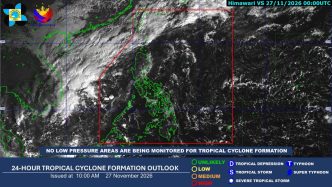
Three separate weather systems are expected to strengthen and bring widespread rain across the Philippines heading into the weekend, according to a BusinessWorld Online report published on Nov. 27.
The report, carried in BusinessWorld's The Nation section, said the three systems were forecast to intensify and drench the country by the weekend.
Weather across the Philippines is monitored by the Philippine Atmospheric, Geophysical and Astronomical Services Administration (PAGASA), an attached agency of the Department of Science and Technology. In the final months of the year, conditions over the archipelago are commonly shaped by the northeast monsoon (locally called the amihan), the shear line, and low-pressure areas — each capable of producing heavy, sustained downpours. PAGASA monitors these systems through regular bulletins and advisories, which serve as the official basis for weather warnings issued across the country.
The country typically sees an average of about 20 tropical cyclones each year, many of which develop from low-pressure areas that form within or enter the Philippine Area of Responsibility — cyclones that PAGASA names locally and tracks using wind signals and color-coded rainfall warnings that escalate from yellow to red. Episodes of heavy rain during this season frequently trigger flooding and rain-induced landslides, particularly in low-lying and mountainous communities.
The source excerpt available for this report contained only the headline. Specifics — including the identities of the three systems, the areas expected to be affected, and projected rainfall amounts — were not included in the available text. Such details generally emerge through PAGASA's public bulletins and advisories as the weekend nears.

