'The Assassin(s)' Revisits 1974 First Lady Killing Through Journalists' Eyes
Key Takeaways
- •Director Hur Jin-ho chose to tell the story of the 1974 first lady assassination through investigative journalists to reflect the political atmosphere of the time.
- •The film opens with the Aug. 15, 1974 shooting of Yuk Young-soo during a Liberation Day ceremony and examines doubts about unaccounted-for bullets and missing audio evidence despite official conclusions that Moon Se-kwang acted alone.
- •The movie depicts government abuses during the Yusin era, including the torture of security officers and suppression of the press.
- •The cast is led by Yoo Hae-jin, Park Hae-il and Lee Min-ho, with star-studded cameos including Park Jeong-min, Jung Woo-sung, Shim Eun-kyung, Um Tae-woong and Oh Dal-su.
- •Produced by Hive Media Corp, the studio behind "12.12: The Day," the film opens in Korean theaters on Sept. 23.
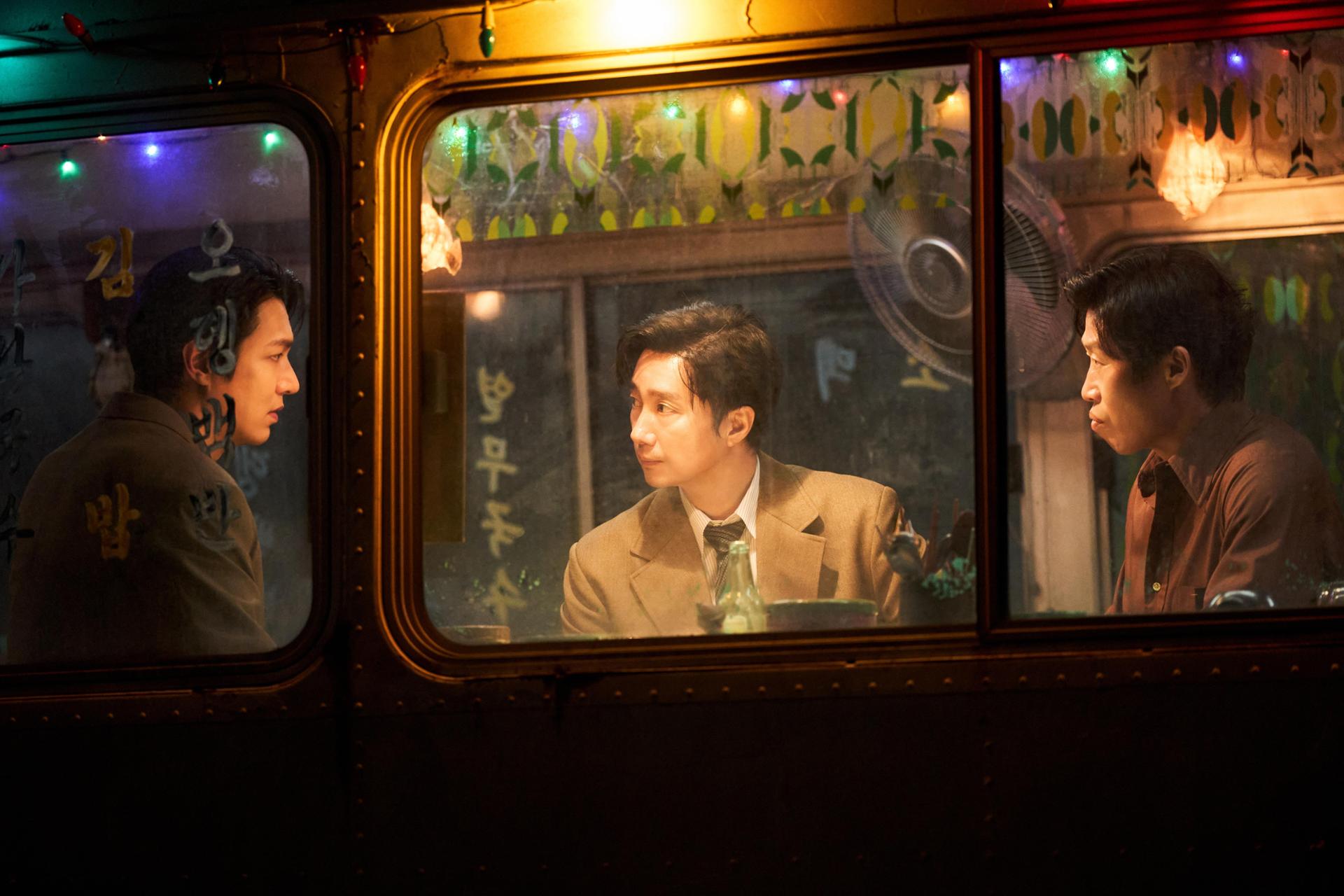
"The Assassin(s)," an upcoming historical thriller, revisits the 1974 assassination of first lady Yuk Young-soo, focusing on capturing the emotional weight of living through a cruel era.
Director Hur Jin-ho explained that he chose to tell the story through the eyes of investigative journalists in order to realistically reflect the political climate of the time.
"I didn't approach this film with the goal of solving a hidden secret all at once," Hur said after the premiere of the movie in Seoul on Tuesday. "While it follows the format of a mystery thriller, I wanted to show the atmosphere of 1974. Journalists naturally became the central medium to ask questions about that society."
The film opens with the Aug. 15, 1974 shooting of the first lady during a Liberation Day ceremony. Yuk, the wife of then-President Park Chung-hee, was struck by a bullet fired by the gunman, who had been aiming at the president as he delivered a speech marking Korea's liberation from Japanese colonial rule. Although official records concluded that second-generation Korean-Japanese gunman Moon Se-kwang acted alone, the movie delves into long-standing doubts about unaccounted-for bullets and missing audio evidence.
Beyond the mystery, the film clearly depicts how the government abused its power at the time. 1974 fell within the Yusin era, when Park Chung-hee's authoritarian government ruled under emergency measures that sharply curtailed civil liberties and press freedom. Throughout the story, authorities torture field officers who properly executed their security duties and suppress the press in order to block the public's right to know.
The plot revolves around detective Cheol-gu (Yoo Hae-jin), senior editor Jae-hwan (Park Hae-il) and rookie reporter Young-il (Lee Min-ho). The role marks a big-screen appearance for Lee, one of Korea's best-known television stars from dramas such as "Boys Over Flowers" and "The King: Eternal Monarch."
Yoo described his character as an ordinary man caught up in historical turmoil.
"I didn't separate Cheol-gu the police officer from Cheol-gu the father," Yoo said. "He is simply a human being trying to navigate a stormy era."
Park highlighted the human element behind journalistic integrity.
"Even when standing up for the truth, everything ultimately comes back to the people," he said.
The film also stands out for its star-studded cameos, including Park Jeong-min, Jung Woo-sung, Shim Eun-kyung, Um Tae-woong and Oh Dal-su. Jung plays Han Sang-il, a powerful corporate chairman and the older brother of reporter Young-il, while Park Jeong-min portrays the gunman.
Hur acknowledged his concerns about casting high-profile actors for only a small amount of screen time. "I was worried prominent actors might distract audiences from the story," Hur said. "However, characters like chairman Han held symbolic weight, and Park Jeong-min's character dominated the film despite minimal dialogue."
Produced by Hive Media Corp, the studio behind the 2023 hit "12.12: The Day" about the 1979 military coup, "The Assassin(s)" has drawn natural comparisons between the two films. Both tap into strong audience appetite for dramas reckoning with Korea's authoritarian past. The director, however, drew a clear distinction.
"I am grateful for the comparison, but 'The Assassin(s)' is not a movie that seeks to deliver a final verdict," Hur said. "It is about the people who lived through that time."
"The Assassin(s)" opens in local theaters on Sept. 23.
Source: The Korea Times
