Thailand to Block Bitget Access on Dec. 5 After SEC Files Criminal Complaint Over Licensing
Key Takeaways
- •Thailand's SEC will block Bitget's website, associated domains, and mobile application locally starting Dec. 5, 2026, giving users about one month to prepare.
- •A criminal complaint has been filed against BG Limited, which allegedly operated an unlicensed digital asset exchange for Thai users between 2022 and 2025, charging fees and marketing in Thai on platforms including X, Telegram, and TikTok.
- •A second criminal complaint alleges Kritsana Kritsananuwat promoted Bitget through Facebook and YouTube, with the case under investigation by Thailand's economic crime groups.
- •The SEC has advised Thai investors to act on assets held on Bitget before the deadline, though it stated the warning does not imply customer funds will be lost or frozen.
- •Bitget is separately seeking a licensed Thai presence by planning to acquire GMO-Z.com Cryptonomics (Thailand), a transaction disclosed on Oct. 20 that remains subject to regulatory approval and other closing conditions.
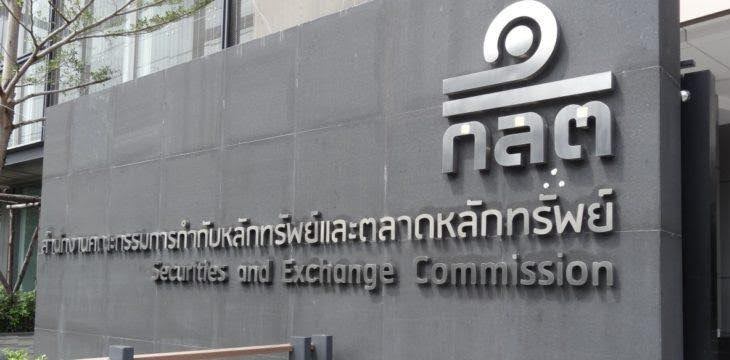
Thailand is preparing to sever local access to cryptocurrency exchange Bitget, after the country's securities regulator moved against the platform for allegedly operating an unlicensed digital asset business serving Thai users.
The Thai Securities and Exchange Commission (SEC) announced that Bitget's website, its associated domains, and its mobile application will become inaccessible in Thailand starting Dec. 5, 2026, giving users roughly one month to prepare. The regulator published the measure on its official website (SEC announcement).
Criminal Complaint Against Bitget Operator BG Limited
Thailand's SEC has lodged a criminal complaint against BG Limited, the company behind Bitget.com. According to the regulator, Bitget provided digital asset trading services to users in Thailand between 2022 and 2025, collected trading fees, and operated a Thai-language website that quoted cryptocurrency prices in Thai baht. The regulator determined the platform had actively targeted the Thai market during that period, a finding that forms the basis of the criminal complaint.
The SEC also highlighted that Bitget conducted Thai-language marketing on social media platforms including X, Telegram, and TikTok. The regulator added that these activities constitute the operation of a digital asset exchange business without the necessary license under the Digital Asset Business Emergency Decree, the country's primary legislation governing the digital asset sector. That licensing requirement is the dividing line the SEC draws: exchanges authorized under the decree may lawfully serve Thai users, while platforms operating without one sit outside the regulator's permitted framework.
In a second complaint, the SEC alleges that Kritsana Kritsananuwat helped promote Bitget through Facebook and YouTube. The case is being investigated by Thailand's economic crime groups.
Thai Users Face a Dec. 5 Access Deadline
The SEC has already forwarded information covering Bitget's website, associated domains, and mobile app to the Ministry of Digital Economy and Society, the agency that carries out website blocking measures in Thailand. Once the block takes effect, users in Thailand may no longer be able to reach the platform over regular local internet connections.
The regulator specifically advised investors to act on their assets held on Bitget before the Dec. 5 deadline to mitigate possible disruption. The SEC clarified, however, that the warning does not mean customer assets will be lost or frozen. The dispute concerns Bitget's regulatory standing and how consumers can access the platform locally.
Bitget Was Already Seeking a Licensed Route Into Thailand
The enforcement action follows Bitget's announced plan to acquire GMO-Z.com Cryptonomics (Thailand), a local cryptocurrency exchange and brokerage. On Oct. 20, Bitget disclosed its intention to pursue the offer by acquiring an interest in BTGT Management (Thailand), according to an announcement from the exchange. The transaction remains subject to regulatory approval and other closing conditions.
The situation creates a notable regulatory split: as Bitget works to establish a licensed presence in Thailand, the SEC maintains that its existing platform has been serving Thai users without a license. The planned acquisition does not automatically resolve the concerns surrounding Bitget.com's past and current operations in the country, and the criminal complaint will proceed through investigators, prosecutors, and the courts. How those two threads develop — whether the acquisition clears regulatory approval, and how the criminal case moves through the legal system — will shape Bitget's standing in Thailand beyond the Dec. 5 cutoff.
For Thailand's crypto users, the immediate practical matter is more straightforward: Dec. 5 is the date to watch, and account holders have been advised to review their assets on the platform before the cutoff.

