Texas launches first statewide risk-limiting audit after Democratic sweep of statewide races
Key Takeaways
- •Texas has begun its first statewide risk-limiting audit in history, covering the U.S. Senate race won by Democrat James Talarico over Republican Ken Paxton.
- •The audit is required under Senate Bill 598, a 2021 law that made risk-limiting audits mandatory for statewide elections held after Aug. 31, 2026.
- •The review follows Democrats' Nov. 3 sweep of all statewide races, in which they won 18 statewide posts and took control of the Texas House for the first time since 2002.
- •Officials said the audit was not prompted by fraud allegations or evidence of errors, and random ballots are selected by rolling 20 ten-sided dice in public so onlookers can observe and verify the process.
- •Some conservative figures, including former CBS correspondent Lara Logan and activist Joe Oltmann, criticized the audit, arguing for a full hand count of the race instead.
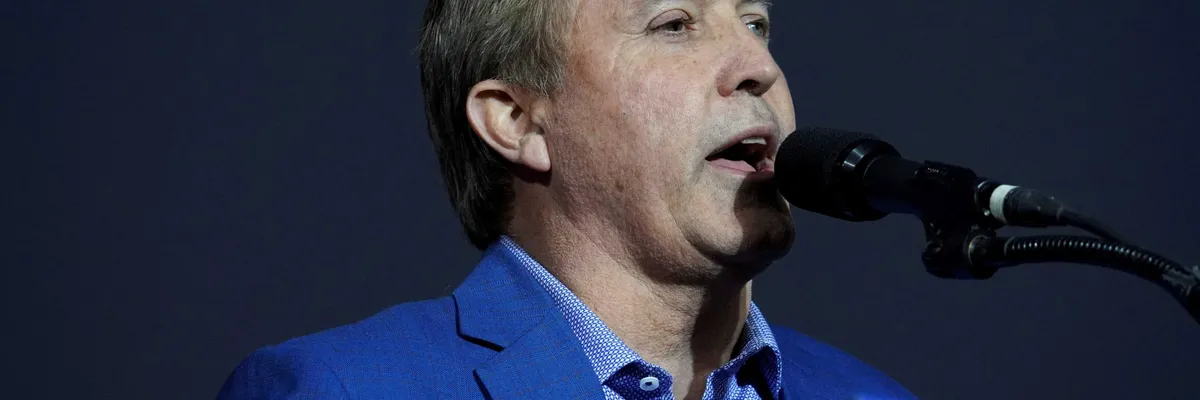
Texas election officials have launched the first statewide risk-limiting audit in the state's history, a review covering the U.S. Senate race in which Democrat James Talarico defeated Republican Ken Paxton.
The audit is required under Senate Bill 598, which the Texas Legislature passed in 2021. Under the law, risk-limiting audits became mandatory for statewide elections held after Aug. 31, 2026. The state's first such review arrives weeks after Democrats swept every statewide race in Texas on Nov. 3, part of a broader nationwide Democratic sweep, marking their first statewide wins in Texas since 1994. Because the election fell after the law's deadline, it is the first conducted under the requirement.
According to the Associated Press count as of Nov. 16, Talarico won 55.1 percent of the vote to Paxton's 43.0 percent. Democrat Gina Hinojosa unseated Gov. Greg Abbott, 52.8 percent to 45.7 percent. Democrat Vikki Goodwin ousted Lt. Gov. Dan Patrick, 51.7 percent to 45.6 percent. Democrat Nathan Johnson won the attorney general's office that Paxton currently holds, defeating Republican Mayes Middleton 52.4 percent to 45.9 percent.
In all, Democrats won 18 statewide posts and took control of the Texas House for the first time since 2002. Republicans maintained control of the state Senate.
Christina Adkins, the state's director of elections, said Wednesday at the event kicking off the audit that the state has had five years to pilot the program and is now "very excited to finally kick it off and do this for the first time," Newsweek reported.
Officials said the audit was not prompted by allegations of fraud or evidence of errors. It is intended to provide statistical evidence that the election results reflect how Texans voted. Random ballots were selected by rolling 20 ten-sided dice in public, a method used to generate a random number that determines which ballots are drawn for review in a way onlookers can observe and verify.
"Texans deserve to know their elections are secure and their votes are counted accurately," Texas Secretary of State Robert Howden said in a statement. He added that the risk-limiting audit provides "an additional layer of accountability and transparency."
Risk-limiting audits are generally considered among the most effective ways to verify election results without the time and expense that a full recount would require. The method, first conducted statewide by Colorado in 2017, relies on a paper record of votes and examines a random sample large enough that a wrong reported outcome would almost certainly surface, with the sample size tied to a race's margin and expanding if discrepancies appear.
The audit has nonetheless drawn criticism from some conservative figures. Former CBS correspondent Lara Logan called the Texas risk-limiting audit "worse than useless" in a post on X. She said the Republicans who won in Texas should be calling for a full 100 percent paper audit rather than a risk-limiting audit, in which only a portion of votes are checked. Logan also called for an investigation to determine whether the people who cast their ballots in the midterms were legitimate voters.
Conservative activist and podcaster Joe Oltmann, who has pushed false claims about the 2020 presidential election, said the risk-limiting audit was not good enough.
"A dice roll is not an audit. Hand count the whole race and publish every chain of custody record," he wrote.

