Incoming Texas Attorney General Nathan Johnson Vows to Sue Trump if Federal Government Breaks the Law
Key Takeaways
- •Texas Attorney General-elect Nathan Johnson vowed to sue the federal government if it breaks the law, declaring an end to the MAGA movement's use of Texas as a publicly funded private law firm.
- •Johnson pledged a top-to-bottom review of lawsuits and investigations opened under outgoing Attorney General Ken Paxton, whose 11 years in office drew praise from Trump for opposing Democratic administrations and supporting Trump's own.
- •Paxton's relationship with Austin real estate developer and donor Nate Paul remains a major vulnerability, as the 2023 impeachment trial found Paxton used his office to aid Paul while Paul was under federal investigation.
- •Johnson could technically bring state charges over the conduct that led to Paxton's 2023 impeachment, with potential probes covering whistleblower retaliation, misuse of state resources, and false statements.
- •Because state charges are prosecuted under state law by state authorities, Trump's pardon power applies only to federal crimes and cannot block or erase a Texas state prosecution.
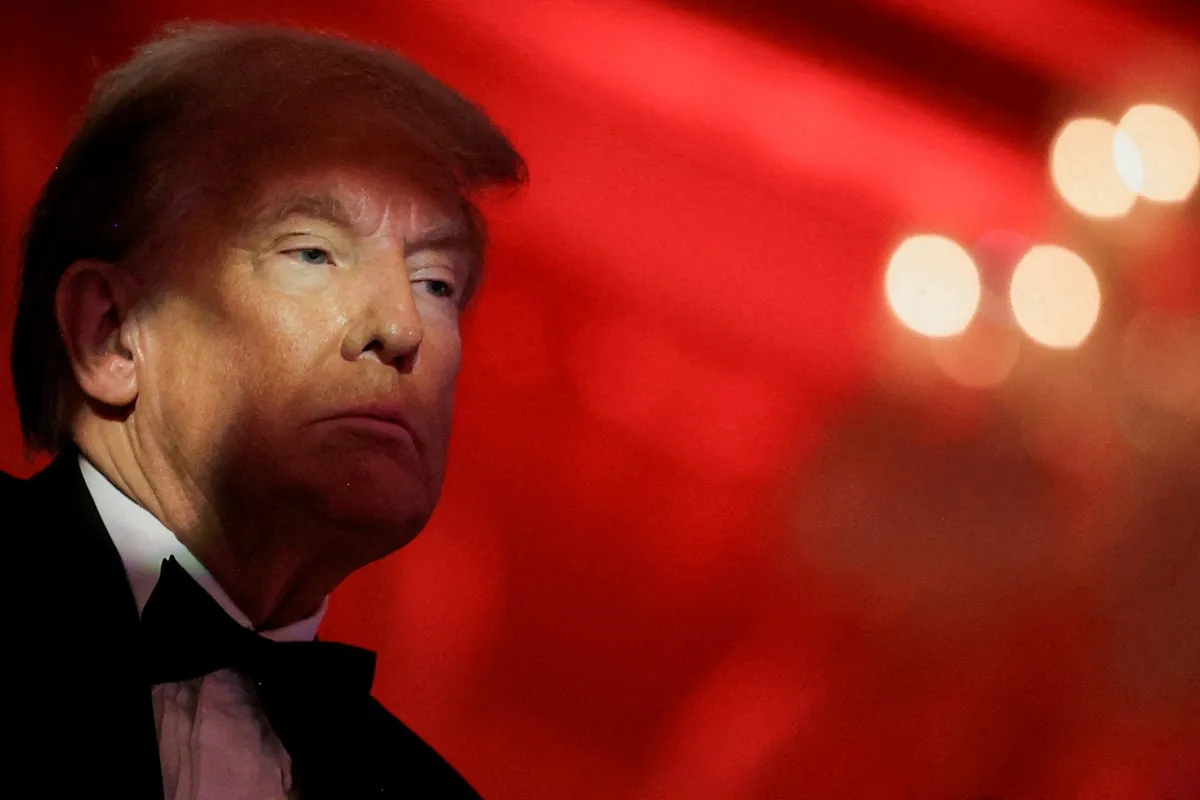
Texas Attorney General-elect Nathan Johnson has fired a warning shot at the federal government, declaring that the era of President Donald Trump treating Texas as his personal law firm is over.
"The MAGA movement looked at Texas as their own private law firm, which happens to have been publicly funded, which I would call corrupt," Johnson told NBC News. "My approach will be quite different."
Outgoing Attorney General Ken Paxton drew overwhelming praise from Trump for his 11 years in office, during which he helped oppose Democratic administrations and support Trump's own. Johnson arrives alongside an entirely new government for the state of Texas — a shift that New Jersey Attorney General Matthew Platkin described as "seismic."
"They are by far, on the conservative end of the spectrum, the biggest, most active, most powerful office," Platkin said of the Texas attorney general's office. Among Paxton's most prominent moves on Trump's behalf was his effort to stop the certification of the 2020 election.
Johnson made clear that he does not intend to use Texans' tax dollars to fund a personal ideological war, and said he will focus on the law no matter how rich or powerful the defendant.
"If the federal government is breaking the law, and Trump seems to have just a profound penchant for breaking the law, I will be suing him," the incoming attorney general said. "And it's unlikely, in my view, that he's going to have an epiphany and suddenly start following the rules."
While his remarks to NBC News centered on Trump, Johnson also told KXAN in Austin that he will be investigating Paxton's office. He pledged to conduct a top-to-bottom review of lawsuits and investigations opened under Paxton, but stopped short of announcing whether he would pursue a criminal investigation of Paxton himself.
Technically, Johnson could bring charges against Paxton over the conduct that led to Paxton's 2023 impeachment, though significant hurdles would stand in the way. The bigger issue for Paxton is his ongoing relationship with Nate Paul, an Austin real estate developer and donor.
According to former aides, the impeachment trial found that Paxton used his office to help Paul specifically while Paul was under federal investigation. Paxton stepped in to assist Paul with foreclosure litigation, issued favorable legal opinions, shared nonpublic information, and even hired an outside lawyer to investigate Paul's own complaints. Allegations presented in the impeachment trial tied Paul to paid renovations at Paxton's home, and Paul was also alleged to have helped Paxton's mistress secure a job.
Other potential investigations could examine whistleblower retaliation, misuse of state resources, and even making false statements. The Justice Department declined to investigate Paxton, even in the final days of the Biden administration — a stance that could change under Johnson.
Johnson has pledged a "new era" of transparency and said the office is done with "purely political" cases.
"My approach will not be to sue the president for fun," Johnson told the Texas Tribune in October. He also alleged that Paxton treated the office like a political operation.
Notably, state charges are prosecuted under state law and by state authorities, meaning Trump's pardon power applies only to federal crimes. A Texas governor could pardon or commute a state offense, but the president cannot wipe out a state conviction or prevent a state prosecution of anyone.
This article is based on reporting originally published by Alternet.

