Tetris Maker Disavows White House's 'Build the Wall' Game, Warns on Copyright
Key Takeaways
- •The Tetris Company said it was not involved in creating the White House game "Build the Wall" and takes copyright infringement seriously.
- •The White House launched five retro-style games on its new arcade.gov website, with "Build the Wall" tasking players with stacking blocks into a border barrier.
- •The Tetris Company declined to comment on whether it plans legal action against the Trump administration.
- •Duke University law professor Christopher Buccafusco said the White House games track famous trademarks, such as the Sega logo and jingle, and would likely lose a parody or homage defense.
- •The Tetris Company, which licenses the game created by Alexey Pajitnov in 1984, has a decades-long history of pursuing unauthorized versions of Tetris.
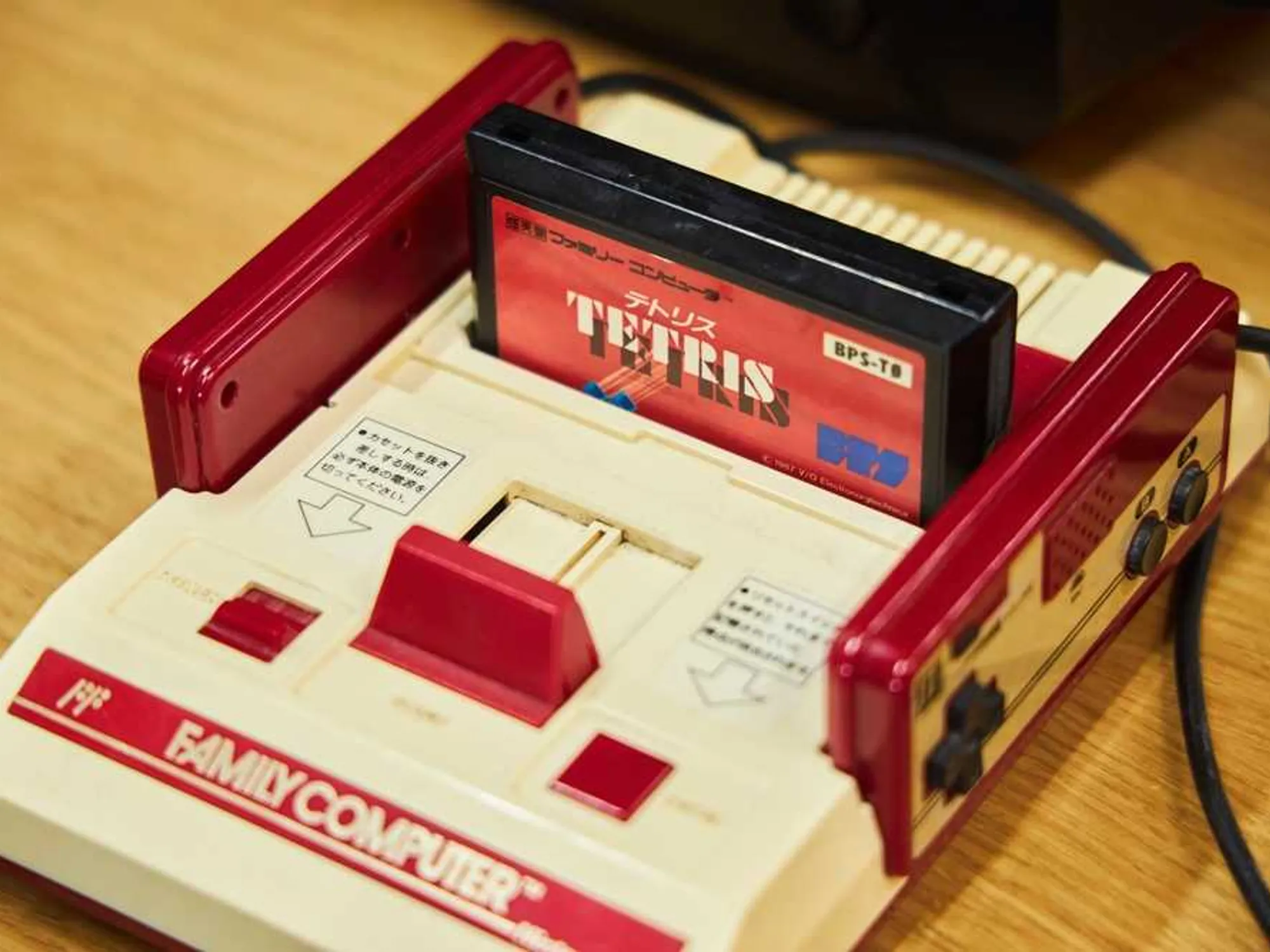
The Tetris Company has publicly distanced itself from the White House's newly released browser game "Build the Wall," warning that it takes copyright infringement seriously.
"The Tetris Company was not involved in the creation of 'Build the Wall,'" the company said Friday, according to Newsweek. "We take copyright infringement very seriously."
A day earlier, the White House launched a slate of five retro-style games on the administration's new arcade.gov website. In "Build the Wall," players are tasked with stacking blocks into a border barrier — an apparent reference to President Donald Trump's mass-deportation campaign and his signature immigration policy.
The Tetris Company also appeared to push back against the game's political message.
"At Tetris we believe in the power of connection and bringing people together, not dividing them," the company said in an Instagram post. "To our fans everywhere: we love you, we see you, and we're grateful to have you in our community."
The company declined to say whether it plans to take legal action against the Trump White House, Newsweek reported.
The company has a long history of enforcing its rights. Tetris, created by Soviet engineer Alexey Pajitnov in 1984, is licensed worldwide through The Tetris Company, which has pursued unauthorized versions of the game and its trade dress for decades — making a dispute with a sitting administration over an unlicensed clone an unusual test of how vigorously a private rights holder will press a claim against the federal government.
But intellectual property expert Christopher Buccafusco, a law professor at Duke University, said the administration may have gone beyond simply paying tribute to classic games.
"Some of these games tread pretty closely to the intellectual property rights of famous video game companies," Buccafusco told the publication. "While some of them simply call to mind existing games, other aspects of the White House's productions are no doubt meant to track the features of famous trademarks like the Sega logo and jingle."
He added that the White House would likely lose any argument that the games are merely parody or homage.
"The only conceivable reason the White House used these trademarks is to get attention," he concluded. "That behavior is almost never allowed by trademark law."
For now, the ball is in the rights holders' court: whether The Tetris Company, Sega, or other affected companies send cease-and-desist letters or file suit — and whether the administration responds by pulling or modifying the games — will determine whether arcade.gov becomes a lasting platform or a short-lived legal liability.
