Tether Invests in Bolivian Fintech Peso to Expand Everyday USDT Use Across Latin America
Key Takeaways
- •Tether led a pre-seed funding round in Bolivian fintech Peso, with the undisclosed investment aimed at expanding USDT payment infrastructure across Bolivia, Brazil, Colombia and Argentina.
- •Peso has integrated USDT payments into Yango's food delivery service in Bolivia and also provides QR payments, point-of-sale services for merchants, and virtual accounts connected to Bolivia's banking system through ACH transfers.
- •On Tuesday, lending platform Tala announced a partnership with El Dorado to allow eligible customers to receive and repay loans in USDT on the Tempo blockchain through the digital wallet.
- •Bolivia has increasingly turned to stable since 2025 amid a prolonged US dollar shortage and high inflation, with demand intensifying after the country abandoned its longstanding currency peg in June.
- •In July 2026, Bolivian authorities began weighing a regulatory framework that would recognize USDT for payments, savings and trade alongside the boliviano and the US dollar.
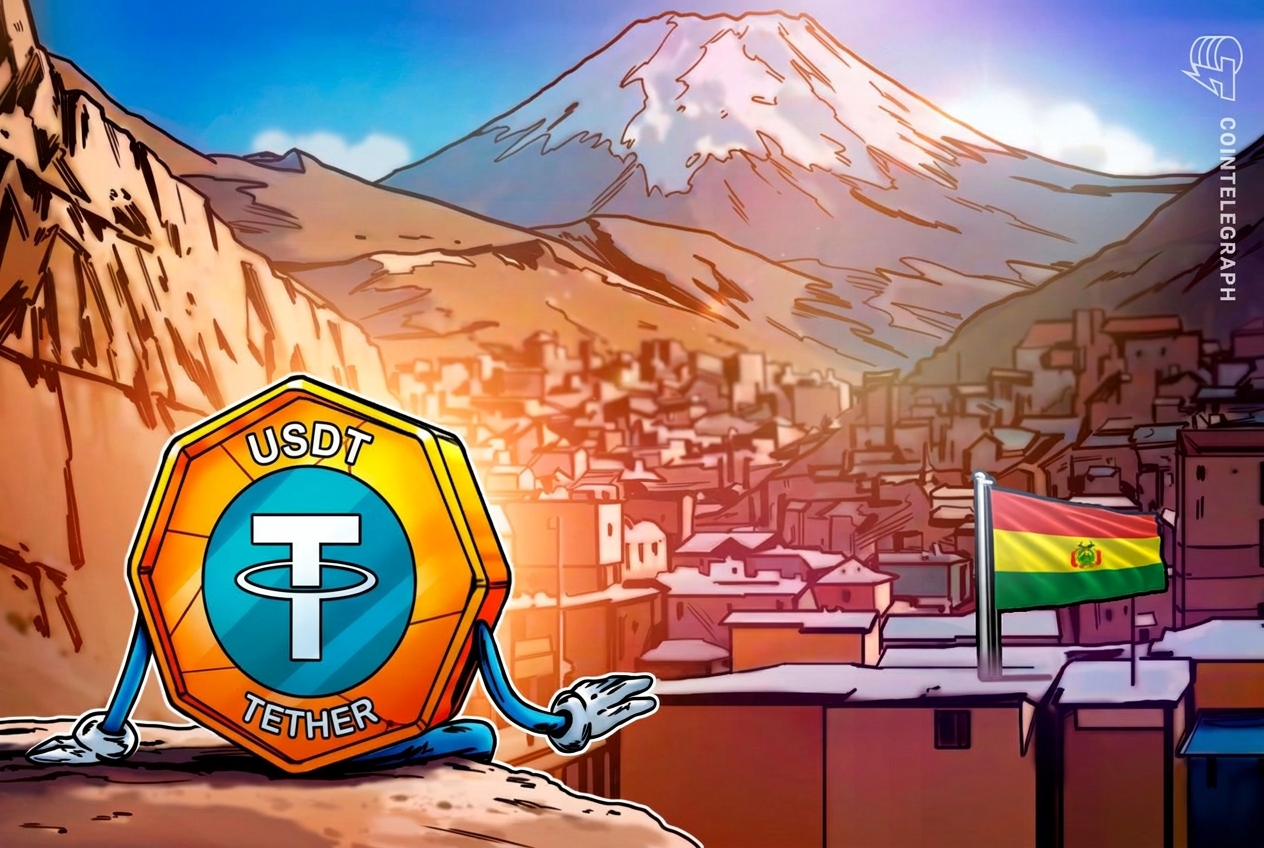
Tether has led a pre-seed funding round in Peso, a Bolivian fintech that enables USDT payments through food delivery apps and local banking networks, backing the startup's expansion across Latin America.
In a Wednesday announcement, Tether, the issuer of USDT, said the investment will help Peso expand its stablecoin payment infrastructure across Bolivia, Brazil, Colombia and Argentina, including services that connect USDT with local currencies through banking and merchant payment systems. The company also shared the news on X.
Peso has already integrated USDT payments into Yango's food delivery service in Bolivia, allowing customers to pay for orders with the stablecoin. The fint also provides QR payments, point-of-sale services for merchants and virtual accounts linked to Bolivia's banking system through ACH transfers. The size of Tether's investment was not disclosed. The integration gives USDT a checkout-level role in everyday commerce, extending the token beyond its familiar trading and settlement uses.
The deal arrives as other fintech firms broaden USDT-based financial services in Bolivia. On Tuesday, lending platform Tala announced a partnership with El Dorado to offer credit directly through the digital wallet, allowing eligible customers to receive and repay loans in USDT on the Tempo blockchain. Taken together, the two moves show USDT being embedded across a fuller stack of financial services in the country — payments, merchant acceptance and consumer credit.
Related: Tether, Kazakhstan cenbank mull tenge stablecoin and asset tokenization
Bolivia turns to stablecoins amid US dollar shortage
Bolivia has increasingly turned to stablecoins — digital tokens pegged to fiat currencies such as the US dollar — since 2025 amid a prolonged US dollar shortage and high inflation, with businesses beginning to accept USDT for purchases as access to foreign currency became more difficult.
In November 2025, the government announced plans to integrate cryptocurrencies and stablecoins into the financial system, including allowing banks to offer digital asset custody and crypto-linked financial products. In July 2026, authorities began weighing a regulatory framework that would recognize USDT for payments, savings and trade alongside the boliviano and the US dollar. The framework under review would formally define USDT's permitted uses for activity that is already taking place through wallets, delivery apps and merchant networks.
The proposal came as Bolivia struggled with a prolonged dollar shortage after abandoning its longstanding currency peg in June, fueling demand for dollar-denominated alternatives such as USDT, as Cointelegraph reported in July.
Magazine: Agents can trade 24/7 — but Yat Siu warns you could lose access at any time

