Tether Can Freeze Stolen Crypto in Minutes, but Getting It Back Can Take Years
Key Takeaways
- •BitOK found that 19% of the $481.6 million in USDT targeted for freezing on Ethereum in the first year was later released, compared with just 1.2% of the $403.2 million targeted in the second year.
- •According to BitOK, 94% of USDT frozen on Tron before May 2024 remained locked as of May 2026.
- •After hackers stole $6.3 billion from Binance in October, Tether froze more than $1.56 billion in USDT within half an hour and Circle blocked over $800 million in USDC, with neither company saying when the funds will be returned.
- •Tether stated it has frozen more than $7 billion in USDT linked to illicit activity worldwide and reissued $1.28 billion to law enforcement agencies and victims, while working with over 360 agencies across 73 countries.
- •Singapore-based exchange Bittok lost $50 million to hackers in June 2020 and had not recovered its USDT more than five years later, with Tether's lawyers discussing a 20% reissuance fee and published procedures allowing fees of up to 10% for certain mistaken transfers.
Billions of dollars' worth of USDT, the stablecoin issued by Tether, have been frozen in cryptocurrency wallets, and research from blockchain analytics firm BitOK shows how rarely those restrictions are lifted.
USDT is the largest stablecoin by market value, and like Circle's USDC it is issued by a centralized company with the power to blacklist wallet addresses at the token-contract level. That control is what makes near-instant freezes possible — and it also leaves the timing and terms of any release in the issuer's hands.
BitOK reviewed USDT freezes on Ethereum and Tron from May 2024 to May 2026. On Ethereum, $481.6 million was targeted for freezing in the first year, of which 19% was later released. In the second year, $403.2 million was targeted for freezing, and just 1.2% was later unfrozen. BitOK also found that 94% of USDT frozen on Tron before May 2024 remained locked as of May 2026.
The findings come weeks after hackers stole $6.3 billion from Binance in October. Tether froze more than $1.56 billion in USDT within half an hour, while Circle Internet (CRCL) blocked more than $800 million in USDC. Neither company has said when the frozen funds will be returned to their rightful owners.
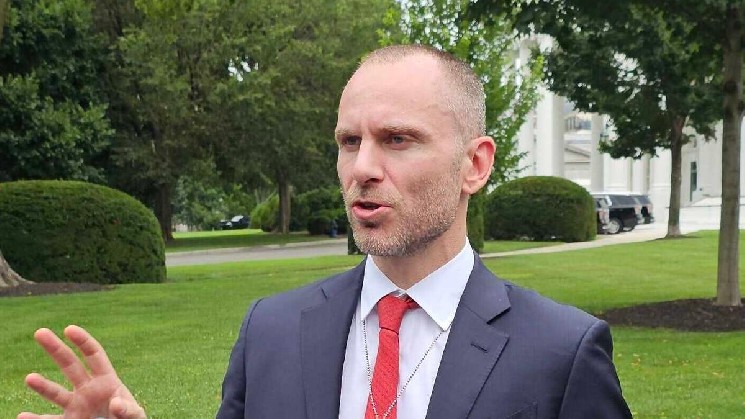
"For both individuals and businesses, a USDT freeze should not be viewed as a temporary inconvenience. It can develop into a prolonged financial and legal problem," Dmitry Machikhin, BitOK's CEO, told CoinDesk.
The study measures how much USDT was unfrozen, not how much victims ultimately recovered. Tether can burn frozen tokens and issue replacements without lifting the original freeze. Newer cases have also had less time to be resolved — a process that can involve lengthy legal proceedings as well as the issuer agreeing to release the funds.
Recovering Frozen Funds
In an emailed statement to CoinDesk on Thursday, Tether said it has frozen more than $7 billion in USDT linked to illicit activity worldwide and reissued $1.28 billion to law enforcement agencies and victims, without specifying the period. The company said it works with more than 360 law enforcement agencies across 73 countries — figures that show the scale at which stablecoin issuers now serve as operational partners for authorities pursuing digital-asset crime.
Some victims have waited years. Singapore-based crypto exchange Bittok, which has no connection to the firm that conducted the research, lost $50 million to hackers in June 2020. Although Tether froze some of the stolen assets, Bittok had not recovered its USDT more than five years later, according to a Bloomberg investigation. Lawyers representing Tether also discussed a 20% reissuance fee, Bloomberg reported.
"Reissuance fees serve to help Tether fund the reissuance process and legal costs related to this service," Tether said in its emailed statement on Thursday. Its published recovery procedures separately allow fees of up to 10% for certain mistaken transfers.
How quickly — or whether — the Binance-related funds move from freeze to reissuance, and what BitOK's figures look like as more cases age, are the threads to watch. Until then, the data points to a clear asymmetry: the same issuer control that stops stolen funds in minutes can leave recovery claims open for years.

