Tesla to Wind Down Cybertruck Production in 2027 as Musk Prioritizes Cybercab Robotaxis
Key Takeaways
- •Tesla will wind down Cybertruck production at Gigafactory Texas around the middle of 2027 to make room for increased Cybercab robotaxi production, according to Elon Musk.
- •Cybertruck demand has lagged, with third-quarter deliveries in Tesla's 'other models' category falling 48% year over year to 8,295 units, about one-tenth of the production line's 250,000-unit annual capacity.
- •Tesla began offering Cybercab rides in limited areas of Austin on September 3, 2026, with only 45 of the two-seater vehicles registered in Texas at launch despite production starting in April.
- •Tesla and SpaceX have formed special committees of independent directors to evaluate a merger, and a SpaceX filing confirmed the combination would require approval from Musk as controlling shareholder.
- •A merged Tesla-SpaceX would hold a combined 30,221 BTC, valued at roughly $2.3 billion, more than twice Tesla's current bitcoin holdings.
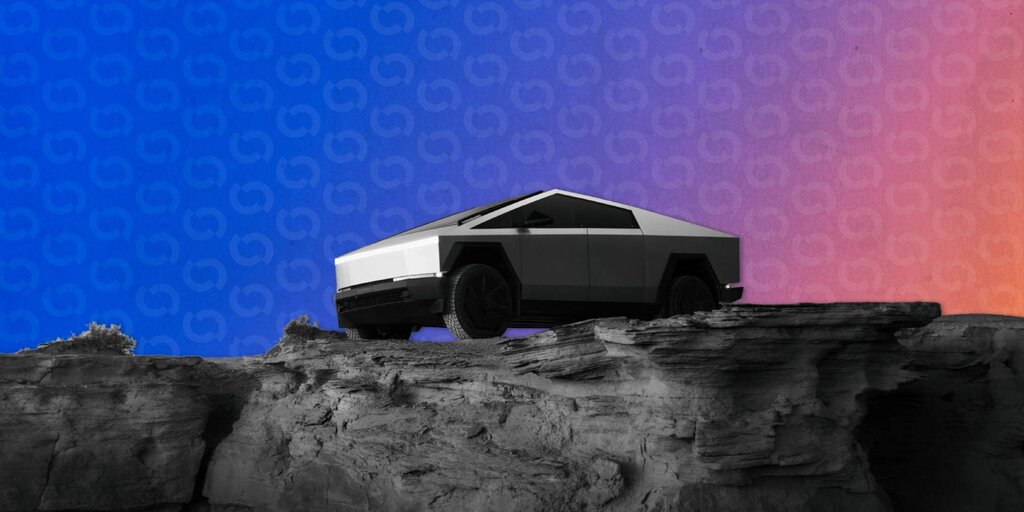
Tesla will wind down Cybertruck production at its Texas Gigafactory around the middle of 2027 to make room for increased Cybercab robotaxi production, CEO Elon Musk said Friday, November 6, 2026. The shift comes as the company places greater emphasis on autonomous vehicles and Musk promotes Tesla’s transition into an AI and robotics company.
“Tesla will be winding down production of the Cybertruck at Gigafactory Texas around the middle of next year to make room for increased Cybercab production,” Musk posted on X. The post was also published through this X URL.
Responding to a user who called the Cybertruck the best vehicle Tesla had ever made, Musk replied, “True, but the Cybertruck fleet will be around for a long time.” Wes Morrill, the truck’s lead engineer, responded to Musk’s post, writing: “Cybertruck was an incredible technology development platform and lives on through Cybercab.” Morrill also thanked the truck’s owners and “everyone who contributed to making the future looking like the future.”
The stainless-steel pickup, which was first delivered to customers in late 2023, has struggled to attract buyers. Tesla delivered 8,295 vehicles in its “other models” category during the third quarter, down 48% from a year earlier, according to Electrek. That category includes the Cybertruck. Electrek reported that the figure represents roughly one-tenth of the 250,000 vehicles per year Tesla built its Cybertruck production line to manufacture.
Musk has made the Cybercab central to his plan to turn Tesla into an AI and robotics company. In April 2025, he said Tesla would launch its first robotaxi service in Austin using Model Y vehicles running its Full Self-Driving software and would begin building Cybercabs in Texas the following year. Decrypt previously reported on Tesla’s Austin robotaxi plans.
Tesla began offering rides in the Cybercab in limited areas of Austin on September 3, Reuters reported. The vehicle is a two-seater with no steering wheel or pedals and was first unveiled in October 2024. The National Highway Traffic Safety Administration said at the time that it was “evaluating the situation,” because federal rules typically require vehicles to have human controls.
Tesla began producing the Cybercab in April and had 45 of the vehicles registered in Texas as of the launch, according to the report. That registered fleet was an early gauge of how nascent the robotaxi rollout stood at launch, even as Musk positions Gigafactory Texas to build the two-seater at greater volume. At the 2024 unveiling, Musk said he expected the Cybercab to cost around $30,000, Auto Express reported.
The production shift follows Musk’s consideration of a merger between Tesla and SpaceX. SpaceX absorbed Musk’s AI company xAI earlier this year. Last month, Musk said the boards of Tesla and SpaceX had formed special committees of independent directors to evaluate a merger. Such a combination would bring rockets, satellites, AI models, robots and cars under one corporate structure, according to Decrypt’s report.
A subsequent SpaceX filing confirmed that any combination would require approval from its “controlling shareholder,” Musk. The committees’ review and that approval are the outstanding steps before any combination could proceed.
A merger would also combine the companies’ bitcoin holdings. SpaceX holds 18,712 BTC and Tesla holds 11,509 BTC, for a combined total of 30,221 BTC valued at roughly $2.3 billion at current prices, according to Decrypt. The combined stack would be more than twice the size of Tesla’s current bitcoin holdings. Both companies have also blocked their shares from being offered on the tokenized stock venue being built by crypto exchange OKX and NYSE owner ICE, Decrypt reported.

