Tesla-SpaceX Merger Speculation Grows Amid China Business Separation Rumors
Key Takeaways
- •Tesla's potential separation of its China operations has been discussed as a possible precursor to a merger with SpaceX, according to a Bloomberg Opinion column by Liam Denning.
- •Elon Musk publicly rejected a Wall Street Journal report claiming Tesla executives were instructed to prepare for a divestiture of the company's China business.
- •A Tesla-SpaceX merger would trigger significant regulatory reviews in both the U.S. and China, including potential scrutiny from antitrust authorities, national security agencies, and CFIUS.
- •Gigafactory Shanghai, operational since 2019, remains a cornerstone of Tesla's global production capacity and one of China's largest foreign employers.
- •Prediction markets have shown a moderate decrease in the perceived likelihood of an official merger announcement, influenced partly by Musk's dismissal of the separation report.
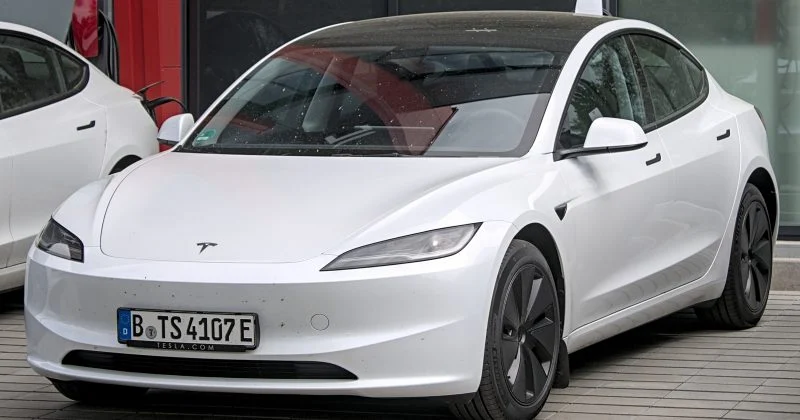
Speculation is intensifying around Tesla's potential separation of its China operations as a step toward facilitating a merger with SpaceX, according to discussions in a Bloomberg Opinion piece by columnist Liam Denning. The proposed restructuring would carry significant corporate and geopolitical risks, particularly given the deep manufacturing ties Tesla has established in Shanghai and SpaceX's extensive involvement in U.S. defense and aerospace contracts. A combination of the two companies would bring together a publicly traded automaker and a privately held aerospace firm, raising complex questions around valuation, shareholder treatment, and corporate governance that go well beyond a typical corporate merger.
The Wall Street Journal recently reported that Tesla executives had been instructed to prepare for a possible separation of the company's China business. Tesla CEO Elon Musk publicly dismissed the report as false, pushing back against the claim. Tesla, headquartered in Austin, Texas, operates Gigafactory Shanghai, which has been a cornerstone of its global production capacity since the facility opened in 2019. SpaceX, also led by Musk, is a key contractor for NASA and the U.S. Department of Defense, launching satellites, cargo, and crew missions. The two companies have a history of cross-pollination in engineering and personnel, and Musk has previously spoken about long-term synergies between Tesla's energy storage capabilities and SpaceX's launch and satellite infrastructure, including the Starlink broadband network.
A merger between Tesla and SpaceX would face considerable regulatory hurdles in both the United States and China. In the U.S., antitrust authorities and national security agencies would likely scrutinize the combination of an electric vehicle manufacturer with a defense-linked aerospace company. The Committee on Foreign Investment in the United States (CFIUS), which reviews transactions with potential national security implications, could also factor into any deal involving SpaceX's classified government work. In China, Tesla's operational footprint and its role as one of the country's largest foreign employers could complicate any divestiture or restructuring of its local business. Any separation would also need to navigate China's own foreign investment and national security review frameworks.
Market participants have been responding to the uncertainty. Prediction markets have shown fluctuating odds regarding whether an official merger announcement will be made, with current pricing indicating a moderate decrease in the perceived likelihood of such a move. Musk's public rejection of the separation report has also factored into market sentiment surrounding the potential deal.
Industry observers are closely watching for any official statements from Tesla or SpaceX that might clarify their intentions. Regulatory developments in both the U.S. and China could have a decisive impact on the feasibility of a corporate combination. Further communications from Musk or other key stakeholders may provide additional insight into the evolving situation, potentially influencing market pricing tied to the merger's prospects.

