Tesla Rebrands “Full Self-Driving” as “Tesla Assisted Driving” in Europe, With Germany Capping Speed Excess at 10%
Key Takeaways
- •Tesla’s European websites now use the “Tesla Assisted Driving” name, while US websites continue using “Full Self-Driving (Supervised).”
- •Germany’s approved approach would limit the system to no more than 10% above posted speed limits, below the Netherlands’ 50% allowance.
- •The feature is legal in eight EU countries, with Slovakia expected to join within days.
- •An EU-wide approval vote has been postponed until at least December while France conducts additional tests.
- •Tesla’s US marketing remains under review after a California administrative law judge found its Autopilot and FSD advertising deceptive, according to Cryptopolitan.
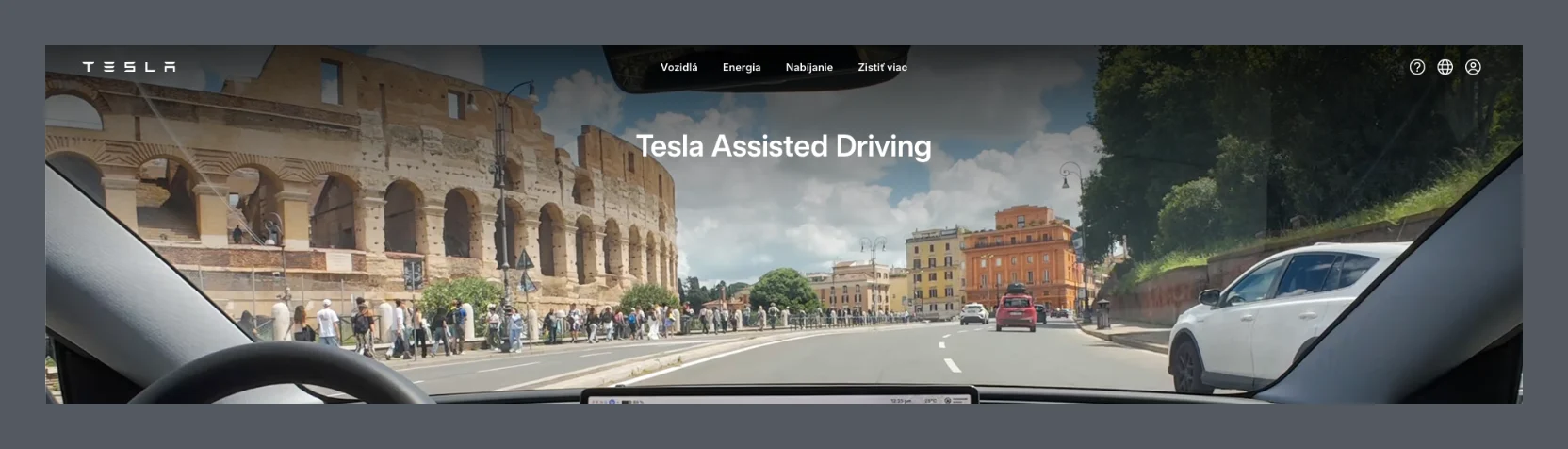
Tesla has renamed “Full Self-Driving” to “Tesla Assisted Driving” across its European websites. Country pages for Slovakia, Germany, Spain, and the Netherlands now redirect to the new branding, while the US site continues to sell “Full Self-Driving (Supervised).” The split means the feature now carries different names in Europe and the US, with the European name reflecting the assisted — not autonomous — function regulators have emphasized.
Germany caps the system at 10% over the speed limit
In a statement on October 6, the German Federal Ministry of Transport said the “FSD” name was not accurate. According to the ministry, the system does not take over driving completely; instead, it assists the driver with accelerating, slowing down, and steering while the driver stays alert.
Tesla and Transport Minister Steffen Bilger spoke in September, and Tesla came up with the idea for the new name. The speed cap was also set during those talks. The ministry said the system may exceed posted limits slightly, but by no more than 10%, and Germany made clear it would support that approach in the EU process.
By comparison, the version already legal in the Netherlands allows drivers to travel up to 50% over the detected limit. To meet the German cap, Tesla needs to slow the system down. The contrast underscores how much EU-country approvals can differ for the same feature.
The ministry stressed that the driver remains fully in charge of steering and said the system has worked well so far, especially in city traffic. Approval work is being handled by Germany, the Federal Motor Transport Authority, the Dutch Type-Approval Authority, and Tesla, with individual system functions and liability examined in great detail.
Bilger said his goal is for Tesla drivers throughout the EU to be able to use Assisted Driving as soon as possible. Musk told Germany “Danke schoen” on X. He has described the self-driving technology as key to Tesla’s future growth.
Eight EU states already allow the system, and Slovakia is next
The system is already legal in the Netherlands, Lithuania, Estonia, Denmark, Belgium, Slovenia, the Czech Republic, and Croatia. Slovakia expects to become the ninth within days, though Germany is not yet on the list.
The EU vote was pushed back from October to at least December as France ran more tests. For bloc-wide approval, 15 of the 27 EU member states, representing 65% of the EU’s population, must agree. Germany’s declared support for the 10% approach gives the December vote a notable backer, while Slovakia’s accession and the speed slowdown required for the German cap are the nearer-term items to watch.
Elsewhere, the Swedish Transport Agency was asked by Swedish consumer protection authorities to examine whether FSD advertising implied fully autonomous driving, while officials in Italy said they believed it might mean SAE Level 3 automation — a level at which the car handles driving in defined situations and the driver must be ready to take over.
California took additional action. According to Cryptopolitan, an administrative law judge said in December 2025 that Tesla had been deceptive in how it advertised Autopilot and FSD. The state DMV gave Tesla 90 days to change the language or lose its license to sell cars in the state for 30 days, a deadline that keeps the accuracy of Tesla’s US marketing language under formal review just as the branding shifts in Europe.
US customers can get “Full Self-Driving (Supervised)” for $99 a month. Per Cryptopolitan, the one-time $8,000 fee was replaced by a subscription on February 14. That followed Tesla’s decision to stop including Autopilot in new cars in the US and Canada in January. Musk has said the monthly fee will rise as FSD improves.

