Tesla Launches Powerwall Battery Leasing for Texas Homeowners Through Tesla Electric
Key Takeaways
- •Texas homeowners in retail-choice areas can lease two Tesla Powerwall units for $35 per month with no installation cost under a fixed-rate electricity plan through Tesla Electric.
- •Tesla will manage the leased batteries via a virtual power plant contract, storing energy when prices are low and exporting to the grid during higher-cost periods while maintaining at least a 20% charge reserve.
- •The program includes a Storm Watch feature that automatically charges the Powerwall to full capacity ahead of forecasted severe weather, which is significant given that Texas leads the nation in weather-related power outages.
- •Palmetto introduced a similar battery leasing program earlier in 2026, but Tesla's offering is distinct in pairing hardware leasing with active VPP dispatch and a retail electricity plan.
- •Texas is the largest competitive retail electricity market in the United States and one of the few where a single company can serve as both electricity provider and storage hardware operator.
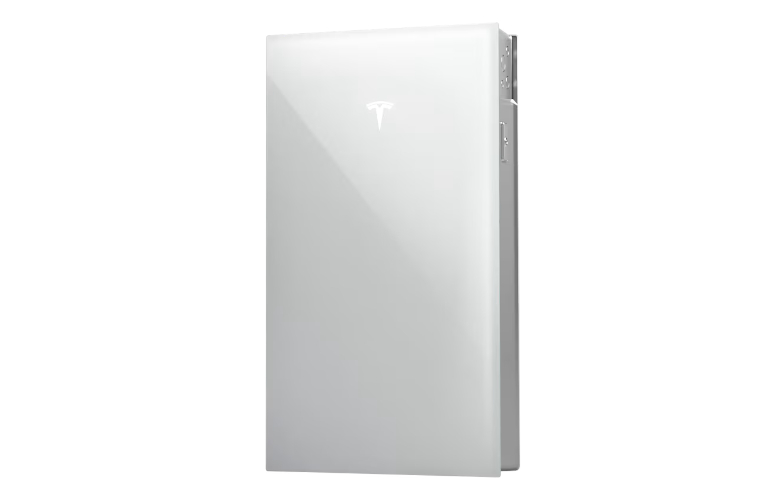
Tesla has introduced a home battery leasing program through its Texas retail electricity provider, Tesla Electric. Under the arrangement, homeowners in areas of Texas with retail electric choice can lease two Powerwall units for $35 per month with no installation cost, paired with a fixed-rate electricity plan.
This marks the first time Tesla has bundled residential energy storage directly with a retail electricity offering. Through a virtual power plant (VPP) contract, Tesla Electric will actively manage the leased Powerwall units—storing energy when electricity prices are low and exporting it back to the grid during higher-cost periods. The company guarantees that the batteries will always retain a minimum 20% charge reserve, ensuring that backup power availability is not compromised. VPPs have drawn growing attention in Texas and other states as a way to aggregate thousands of distributed home batteries into a flexible grid resource that can help balance supply and demand during peak periods—needs that have become more pronounced since the February 2021 winter grid crisis that left millions of Texans without power.
The program also includes Storm Watch, a Powerwall feature that automatically charges the battery to full capacity ahead of forecasted severe weather, providing homeowners with backup power before a potential outage begins. Texas leads the nation in weather-related power outages, making automated storm preparation a practical differentiator for residents deciding whether to add storage.
Tesla Electric operates as a retail electric provider within Texas's deregulated electricity market, which allows residents in much of the state to choose their electricity supplier. Texas is the largest competitive retail electricity market in the United States, and one of the few where a company like Tesla can serve as both the electricity provider and the storage hardware operator under a single customer relationship. The Tesla Powerwall is a lithium-ion home battery designed to store energy for backup consumption, load shifting, and grid support.
Tesla is not the first company in the United States to offer a battery leasing program that does not require rooftop solar panels. Palmetto launched its Energy Backup Plan earlier in 2026, providing backup storage without the traditional upfront purchase or maintenance responsibilities. Palmetto subsequently expanded the program to all residential contractors. Tesla's entry is notable because it pairs hardware leasing with active VPP dispatch and a retail electricity plan—a combination that, if scaled, could accelerate residential storage adoption among homeowners who have been deterred by upfront costs. Whether similar bundles emerge in other deregulated markets or from competing providers will be a key industry development to monitor.

