Tesla Reports First Quarterly Cash Burn in More Than Two Years Despite Record Deliveries
Key Takeaways
- •Tesla recorded negative free cash flow of $1.1 billion, marking its first quarterly cash burn in more than two years.
- •The company achieved record quarterly revenue of approximately $28.2 billion and delivered 480,126 vehicles during the period.
- •Tesla's earnings fell below Wall Street expectations as elevated spending on AI infrastructure, manufacturing expansion, and new technology initiatives weighed on financial performance.
- •The electric vehicle market has grown more competitive, with traditional automakers and lower-cost Chinese manufacturers challenging Tesla's pricing strategy and profit margins.
- •Tesla is increasingly positioning itself as an artificial intelligence and technology company, investing in autonomous driving, robotics, and energy solutions beyond its core vehicle business.
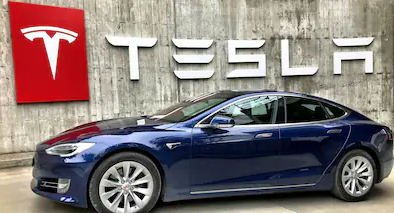
Tesla reported its first quarterly cash burn in more than two years, even as the electric vehicle maker posted record deliveries and generated billions of dollars in revenue during the period.
The company reported quarterly revenue of approximately $28.2 billion, supported by record vehicle deliveries of 480,126 units. However, Tesla recorded negative free cash flow of $1.1 billion, as increased spending on artificial intelligence infrastructure, production capacity and new technology initiatives weighed on financial performance.
The development was highlighted by Coin Bureau through its official X account: https://x.com/coinbureau/status/2080167858101760260. The results drew attention to Tesla’s changing financial position as the company continues to invest heavily in artificial intelligence, manufacturing expansion and future technology projects.
Tesla’s results also came in below Wall Street expectations, adding pressure on investors who have followed the company’s growth strategy and long-term technology ambitions. While Tesla remains one of the world’s leading electric vehicle companies, the latest financial report shows the company entering a more challenging phase in which future growth requires substantial investment.
Record Deliveries Meet Rising Costs
Tesla’s latest quarter showed the company’s ability to deliver vehicles at large scale. The company reached a new delivery milestone with more than 480,000 vehicles delivered, reflecting its production capacity and continued consumer demand for electric vehicles.
However, record sales volumes did not translate into stronger cash generation. Free cash flow is closely watched because it measures how much cash remains after operating needs and capital investments, giving companies flexibility to fund growth, reduce debt or return capital to shareholders. In Tesla’s case, the negative figure shows that higher deliveries were offset by heavy investment requirements during the quarter.
Tesla’s expansion strategy requires significant capital spending, particularly as the company focuses on artificial intelligence, autonomous driving technology, robotics and manufacturing improvements. Unlike traditional automakers, Tesla has increasingly positioned itself as more than an electric vehicle manufacturer. The company has emphasized AI-powered systems, autonomous driving, energy storage and robotics as major parts of its future growth plans. Those ambitions require substantial investment before they can generate meaningful financial returns.
AI Spending Reshapes Tesla’s Financial Profile
One of the main factors affecting Tesla’s recent cash flow has been increased spending on artificial intelligence. The company has invested heavily in computing infrastructure, data centers, AI development and autonomous driving technology.
Tesla CEO Elon Musk has repeatedly described artificial intelligence as a critical part of the company’s future. Tesla’s autonomous driving ambitions depend on advanced AI models trained using large amounts of vehicle data. The company has also expanded work on its humanoid robot project and other AI-related initiatives.
These projects reflect a long-term strategy that could create new revenue opportunities, but they require significant resources in the near term. Negative free cash flow does not necessarily mean a company is struggling when spending is tied to expansion, but sustained cash burn can raise scrutiny if investments do not eventually produce stronger business results. Investors are watching whether these investments will generate returns that justify current spending levels.
Manufacturing Expansion Adds Financial Pressure
Tesla’s manufacturing strategy has also contributed to higher costs. The company continues to invest in production facilities, technology upgrades and supply chain improvements. Building and expanding factories requires billions of dollars in capital expenditure.
Tesla has previously focused on improving production efficiency and lowering manufacturing costs, but expanding global operations remains expensive. The company operates manufacturing facilities in multiple regions and continues to explore ways to increase production capacity.
These investments are intended to support future growth, but they can put short-term pressure on profitability. For companies in high-growth industries, balancing expansion with financial discipline remains a major challenge.
Earnings Miss Expectations as Competition Increases
Tesla’s latest results came in below Wall Street expectations, prompting investors to reassess the company’s near-term financial outlook. For years, Tesla was viewed as a high-growth company capable of rapidly expanding revenue and improving margins.
The electric vehicle market has since become more competitive. Traditional automakers have increased their EV investments, while Chinese manufacturers have introduced lower-cost electric vehicles that challenge Tesla’s market position.
That competitive environment has pushed Tesla to adjust pricing strategies, affecting profit margins. Lower prices can help increase sales volume, but they can also reduce earnings per vehicle. This creates a difficult balance between maintaining market share and protecting profitability.
Tesla’s Shift Beyond Electric Vehicles
Tesla’s current financial position reflects a broader transformation of the company. It is no longer focused only on selling electric cars. Tesla has increasingly presented itself as an artificial intelligence and technology company.
Its future plans include autonomous transportation, robotics, energy solutions and software-based services. Supporters believe these areas could eventually become major sources of revenue. Autonomous driving technology, for example, could create business models through subscription services or automated transportation networks.
However, those opportunities depend on technological progress, regulatory approval and consumer adoption. The transition from automotive manufacturer to technology platform requires significant investment and patience.
Investors Weigh Tesla’s Long-Term Strategy
Tesla’s latest financial results have renewed debate among investors. Some believe the company’s aggressive investment strategy will strengthen its long-term competitive position. They argue that spending on AI infrastructure and advanced technology could place Tesla ahead of competitors in future markets.
Others are focused on current profitability and whether large investments will produce sufficient returns. The negative free cash flow figure highlights the risks associated with pursuing several ambitious projects at the same time.
Investors must assess whether Tesla’s future opportunities justify the short-term financial pressure created by its current spending plans.
EV Market Faces New Challenges
Tesla’s financial pressure comes during a period of significant change in the global electric vehicle market. EV demand continues to grow, but the pace of growth has slowed in some regions. Consumers remain interested in electric vehicles, but affordability, charging infrastructure and economic conditions influence purchasing decisions.
Competition has also increased sharply. Companies from China, Europe and the United States are launching new electric models, creating a more crowded market. In that environment, Tesla must continue improving technology, reducing costs and maintaining brand strength while funding projects that extend beyond vehicle production.
Outlook Depends on Execution
Tesla’s future performance will likely depend on several factors. Successful development of AI technology could create opportunities beyond vehicle sales. Improved manufacturing efficiency could help reduce costs and support margins. Growth in energy storage and software services could also provide additional revenue streams.
At the same time, Tesla must manage its investments carefully. Balancing innovation with financial performance will be important as the company enters its next stage of development. Investors will continue to monitor future earnings reports for signs that current spending is beginning to produce stronger returns.
Tesla’s first quarterly cash burn in more than two years marks an important point in the company’s evolution. The results show both the strength and the challenges of pursuing an ambitious technology-driven strategy. Record deliveries demonstrate continued demand for Tesla vehicles, while rising investment costs highlight the financial burden of developing future technologies.
The company’s decision to prioritize AI, automation and manufacturing expansion reflects its belief that future growth will come from innovation beyond electric cars. Whether that strategy succeeds will depend on execution, market conditions and Tesla’s ability to convert investments into profitable businesses.
For now, Tesla remains one of the most closely watched companies in global markets, and its latest results show that even industry leaders face difficult financial decisions when investing for the future.
