Technology Stocks Fall as Tesla and Alphabet Disappoint on AI Spending; Oil Tops $100 and Treasury Yields Near 4.7%
Key Takeaways
- •Tesla shares declined more than 8% and Alphabet fell over 5% after both companies reported earnings that missed analyst expectations and outlined capital-intensive AI infrastructure spending plans without clearly defined near-term returns.
- •Crude oil prices rose above $100 per barrel for the first time in months, driven by escalating geopolitical tensions and concerns about potential supply disruptions.
- •The 10-year U.S. Treasury yield climbed to approximately 4.7%, its highest level since late 2023, as stubborn inflation, a resilient labor market, and rising energy costs led traders to reduce expectations for near-term rate cuts.
- •Energy stocks were the only major equity sector to post gains during the session, as investors rotated into commodities and defensive assets while selling off other areas of the market.
- •Higher bond yields pressure technology stocks in particular by increasing the discount rate applied to future earnings and making fixed-income investments more competitive relative to equities.
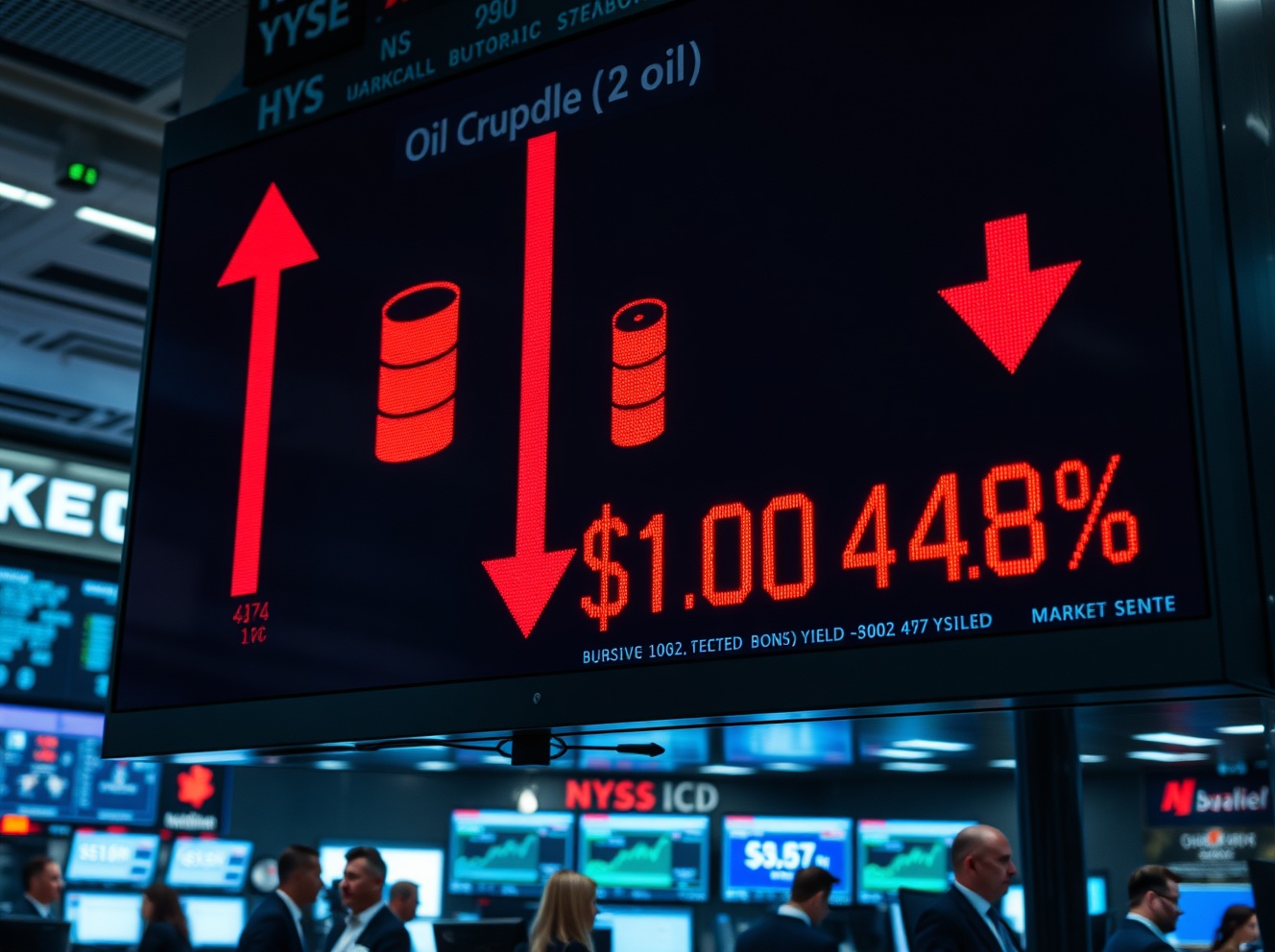
Financial markets saw a broad selloff on [Date], with technology shares absorbing the steepest losses after Tesla (TSLA) and Alphabet (GOOG) delivered quarterly results and spending outlooks that disappointed analysts and investors. The pressure on equities was reinforced by a jump in crude oil prices above $100 per barrel and a sharp rise in bond yields, with the 10-year U.S. Treasury yield approaching 4.7%.
Tesla and Alphabet Face Pressure Over AI Spending Plans
Tesla and Alphabet both reported quarterly results that fell short of analyst expectations. A major source of concern was the scale of their planned spending on artificial intelligence infrastructure, which investors viewed as capital-intensive and lacking clearly defined near-term returns.
For large technology companies, AI investment often includes data centers, advanced chips, cloud capacity, and engineering talent. Those costs can weigh on margins before new products or services generate enough revenue to offset the spending, making guidance on capital expenditure and monetization a key focus during earnings season.
The reaction highlighted broader questions about the pace at which large technology companies can monetize AI investments. At the close of trading, Tesla shares were down more than 8%, while Alphabet declined more than 5%. The losses weighed on the broader Nasdaq Composite Index and contributed to weakness across the technology sector.
Oil Moves Above $100 on Supply Concerns
Crude oil prices rose above the psychologically important $100-per-barrel level for the first time in months. The move was driven by escalating geopolitical tensions and concerns about potential supply disruptions.
The rally in oil added to inflation pressures and increased caution across equity markets. Higher energy prices can feed into transportation, manufacturing, and consumer costs, complicating the inflation outlook that policymakers and investors are already monitoring closely. Energy stocks were the only major sector to post gains during the session, as investors moved into commodities and defensive assets while other areas of the market declined.
Treasury Yields Rise as Rate-Cut Expectations Recede
The 10-year U.S. Treasury yield climbed to nearly 4.7%, reaching its highest level since late 2023. Traders reduced expectations for near-term interest rate cuts by the Federal Reserve as inflation remained stubborn, the labor market stayed resilient, and energy costs moved higher.
Many analysts have responded by pushing back their forecasts for the first rate reduction. Higher yields can weigh heavily on growth stocks, particularly technology companies, because they increase the discount rate applied to future corporate cash flows. They also make fixed-income assets more competitive relative to equities, which can reduce investor appetite for stocks with valuations tied to long-term growth assumptions.
Market Focus Shifts to Profits, Inflation, and Monetary Policy
The combination of falling equities, higher oil prices, and rising bond yields placed renewed attention on corporate profit expectations, inflation risks, and the path of monetary policy. Within the technology sector, spending on AI infrastructure has become a central issue as investors assess the balance between heavy capital expenditure and the timing of potential returns.
Tesla and Alphabet’s declines also raised broader questions about whether major technology companies can justify elevated AI investment levels through revenue growth in the near term. The selloff underscored how sensitive high-growth stocks remain to both earnings disappointments and changes in interest-rate expectations.
Investors are likely to scrutinize upcoming corporate results for details on margins, AI-related capital spending, and demand trends, while also watching inflation data, labor-market indicators, Federal Reserve commentary, and crude supply developments for signs of whether the pressure from rates and energy costs is easing or intensifying.
Key Questions Raised by the Selloff
Tesla and Alphabet shares fell after both companies reported earnings that missed analyst expectations and outlined large-scale spending plans for AI infrastructure without clear immediate returns.
Oil prices moved above $100 primarily because of heightened geopolitical tensions and worries about possible supply disruptions, pushing crude to multi-month highs.
Rising bond yields affect equities by making fixed-income investments more competitive relative to stocks and by increasing the discount rate used to value future earnings. That dynamic tends to place particular pressure on high-growth technology companies.

