Telegram Launches Money, a Non-Custodial Wallet for Gram Tokens
Key Takeaways
- •Telegram launched Money, a non-custodial wallet built for the Gram token that operates inside its messaging app.
- •The wallet allows users to send Gram tokens to an address or Telegram handle and to buy gifts within the platform.
- •Because users control their own credentials, lost wallet access cannot be recovered and transactions cannot be reversed.
- •The full launch follows an earlier limited release of the Gram Wallet to a select group of users.
- •Regional availability, fee structures, and the complete list of supported tokens have not yet been confirmed in official documentation.
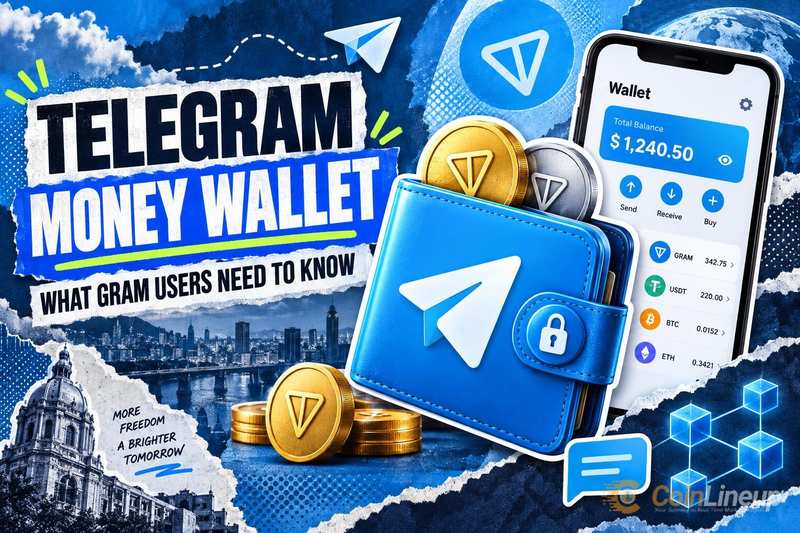
Telegram has launched Money, a non-custodial wallet built for the Gram token, giving users a way to send tokens and buy gifts directly inside the messaging app. The rollout marks a step toward making crypto actions feel as routine as sending a message.
The launch follows an earlier, limited release of Telegram's Gram Wallet, which was made available to select users ahead of this broader rollout under the Money name.
What Is Telegram Money and the Gram Wallet?
In crypto, a wallet is the tool used to hold and move digital tokens—similar to a banking app, except no bank is involved. Money is Telegram's own wallet, designed specifically for Gram, the token associated with the platform.
The key word in the announcement is "non-custodial." Telegram does not hold users' tokens on their behalf. Instead, each user controls their own wallet access, and if credentials are lost, no one can recover them. This differs from storing crypto on an exchange, where the platform custodies the assets. With a non-custodial wallet, the user is their own bank—a model that places both control and the risk of loss with the individual, bringing more autonomy alongside more responsibility. The distinction between self-custody and a custodial service is one of the most consequential choices a crypto user makes, and building a wallet around it inside a messaging app surfaces that choice for an audience that may be encountering it for the first time.
Key points from the launch:
- Telegram Money is a non-custodial wallet, meaning users control their own keys and tokens.
- The wallet supports sending Gram tokens to other users and buying gifts inside Telegram.
- Losing access credentials means losing access to funds, with no recovery option.
How Can Users Send Tokens and Buy Gifts?
Sending tokens works like a wallet-to-wallet transfer. Users enter a recipient's address or Telegram handle, confirm the amount, and the tokens move directly, with no intermediary processing the transaction on their behalf.
The gift-buying feature turns Gram tokens into an in-platform spending tool. Rather than relying on a bank card or payment app, users can spend tokens on gifts within Telegram's own ecosystem. Details on supported gift types, fees, or spending limits have not been confirmed in official documentation at the time of writing.
Because the wallet is non-custodial, every transaction is final. Users should double-check recipient details before confirming any transfer, as sending tokens to the wrong address is irreversible. This is a meaningful difference from traditional payment apps, where disputes or reversals are sometimes possible—a point of particular relevance for anyone new to self-custody.
Why Telegram Money Matters for Crypto Users
The practical significance is accessibility. Telegram has hundreds of millions of users worldwide, and embedding a crypto wallet inside an app people already use daily lowers the barrier to trying crypto for the first time. Someone curious about Gram tokens does not need to open a separate exchange account or learn a new interface—the wallet is where their conversations already happen. That convenience represents a meaningful shift in how everyday users might first interact with tokens.
The tradeoff is responsibility. Non-custodial wallets put users fully in charge, with no customer support line to call if tokens are sent to the wrong address or credentials are forgotten. This is worth understanding before moving any funds.
Key details remain unconfirmed in public documentation, including which regions can access Money, whether fees apply to transfers, and the full list of supported tokens. For readers tracking the rollout, those three items—regional availability, fee structure, and supported tokens—are the clearest signals of how Money's footprint will take shape across markets. Until those specifics are published, users have only partial information about how the wallet will operate, and they should verify details through Telegram's official channels before setting up the wallet or moving funds.
Disclaimer: This article is for informational purposes only and does not constitute financial or investment advice. Cryptocurrency and digital asset markets carry significant risk. Always do your own research before making decisions.

