Telegram CEO Pavel Durov Placed on International Wanted List by Russian FSB Over Terrorism-Related Charges
Key Takeaways
- •Russia’s FSB accuses Pavel Durov of helping terrorist activity by leaving Telegram content accessible that authorities say was used for illegal operations inside Russia.
- •Russian authorities have reportedly placed Durov on an international wanted list as part of the investigation.
- •The case escalates an ongoing dispute between Telegram and Russia over content moderation, access to user data, and control of online communications.
- •Telegram has about 900 million monthly active users and is widely used for private messaging, political communication, and information sharing during the Russia-Ukraine war.
- •The situation raises questions about whether technology executives can be held personally responsible for user-generated content on their platforms.
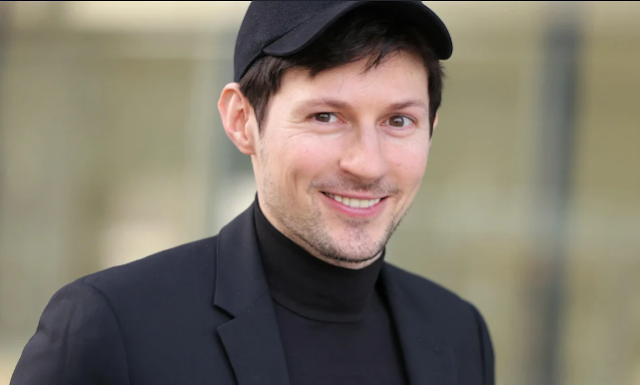
Telegram founder and CEO Pavel Durov has become the center of a major international legal confrontation after Russian authorities announced terrorism-related charges against him, accusing the messaging platform of failing to remove content allegedly used by Ukrainian intelligence services and extremist groups.
According to Reuters, Russia's Federal Security Service (FSB) has accused Durov of facilitating terrorist activity by allowing Telegram channels, chats, and bots to remain accessible despite claims that they were being used to coordinate attacks and other illegal operations inside Russia. Russian authorities have reportedly placed Durov on an international wanted list as part of the investigation.
The allegations mark a significant escalation in the long-running dispute between Telegram and Russian authorities over content moderation, government access to user data, and control of online communication platforms. Neither Durov nor Telegram issued an immediate public response to the latest charges.
Platform at the Center of a Global Privacy Debate
The case has drawn international attention because Telegram has grown into one of the world's most influential messaging platforms, widely used by individuals, businesses, journalists, activists, and political organizations. With approximately 900 million monthly active users globally as of early 2024, Telegram has built its reputation on privacy-focused communication features and resistance to government censorship. However, the platform has also faced criticism from governments arguing that insufficient moderation can enable illegal activities, extremist networks, and misinformation campaigns.
The latest FSB accusations center on claims that Telegram failed to remove material allegedly connected to Ukrainian intelligence operations and extremist organizations. Russian officials stated the platform was used by certain groups to coordinate activities described by Moscow as sabotage, terrorism, and other criminal actions. Russian officials have argued that Telegram's content moderation approach creates national security concerns, while critics of the Kremlin's actions contend the charges represent yet another attempt by authorities to tighten control over digital communication.
The dispute underscores a broader global debate over how technology companies should balance user privacy, freedom of expression, and government demands for online regulation. Telegram has repeatedly defended its approach, stating that the company works to remove illegal content while protecting legitimate user communication. The platform has previously rejected accusations that it knowingly facilitates criminal activity and has criticized government efforts it views as attempts to restrict independent communication.
Durov's History of Clashes with Authorities
Pavel Durov, a Russian-born entrepreneur, founded Telegram after previously creating VKontakte, one of Russia's largest social networking platforms. Durov left Russia following disputes with authorities over control of VKontakte and subsequently developed Telegram as a global messaging service centered on privacy and security.
Over the years, Durov has positioned himself as a strong advocate for digital freedom, arguing that users should have greater control over their personal communications. His stance has frequently placed him in conflict with governments seeking expanded access to online platforms.
Telegram has faced regulatory challenges in multiple countries, but the dispute with Russia remains one of the most consequential due to the platform's popularity among Russian citizens and its role as a critical communication channel during the Russia-Ukraine war. The messaging application has become an important information conduit during the conflict, used by government supporters, opposition figures, and civilians seeking real-time updates. Researchers have noted that Telegram became a primary communication platform during the war, with various groups using the service to distribute information and competing narratives.
Source: X post
Continued Regulatory Pressure
The latest legal action against Durov comes amid sustained pressure from Russian authorities over Telegram's operations. Russian regulators previously blocked Telegram from 2018 to 2020 after the company refused to provide encryption keys to the FSB, though the ban was ultimately lifted amid widespread circumvention by Russian users. The Kremlin has argued that Telegram must comply with national laws, while Telegram supporters maintain that governments should not use security concerns as justification to weaken privacy protections.
The international implications of the case could extend well beyond Russia. Technology companies worldwide are closely observing how governments handle digital platforms, particularly as encrypted messaging services become increasingly central to personal communication, business operations, and political discourse. The case also raises fundamental questions about whether technology executives can be held personally responsible for content created and shared by users on their platforms — an issue that has grown more pressing as governments debate new regulations for social media companies, messaging services, and online platforms. Durov's detention in France in August 2024 on related charges of permitting illegal activity on Telegram demonstrated that such personal liability concerns have already materialized into concrete legal action.
Supporters of stronger regulation argue that technology companies must take greater responsibility for harmful content distributed through their networks, contending that platforms with billions of users should deploy stronger systems to detect and remove illegal material. Privacy advocates, however, warn that excessive government control could threaten freedom of communication and create openings for censorship, arguing that technology companies should not be compelled to provide broad access to private user information without robust legal protections.
Broader Implications for the Digital Asset Ecosystem
Financial and technology communities have also been monitoring the situation closely because Telegram has become deeply integrated into the digital asset ecosystem. The platform plays a major role in cryptocurrency communities, blockchain discussions, and decentralized technology development. Many cryptocurrency users rely on Telegram groups for project updates, community discussions, and market information. Telegram's own earlier blockchain initiative, the Telegram Open Network (TON), was abandoned by the company in 2020 following an SEC lawsuit, but the open-source project was subsequently revived by an independent community as The Open Network, maintaining a close association with Telegram's ecosystem. Any major disruption affecting Telegram could therefore carry broader consequences across the technology and digital asset industries.
The development has also been discussed by the Coin Bureau account on X, drawing additional attention from cryptocurrency and technology observers. The primary developments, however, remain centered on the legal actions announced by Russian authorities and any responses from Telegram and Durov.
Legal Uncertainty and Potential Precedents
The legal situation remains fluid, as international investigations and diplomatic considerations could influence how the case unfolds. Although Russia has declared an international wanted status for Durov, enforcement outside Russian territory may depend on cooperation from other governments and legal authorities. Durov holds French and Emirati citizenship in addition to his Russian origins, and his residence in Dubai — factors that could significantly shape any future legal proceedings and complicate extradition efforts.
Legal experts note that cases involving internationally recognized technology executives often prove complicated because they typically span multiple jurisdictions with differing legal frameworks. The outcome could establish important precedents for how governments seek to hold platform leaders accountable for user-generated content. As governments continue developing new rules for digital communication platforms, the Telegram case may become part of a larger conversation about technology regulation, privacy rights, and online security.
For Telegram, the latest accusations represent another significant challenge in its effort to maintain its standing as a global messaging platform while navigating mounting regulatory pressure. For Durov, the case marks yet another confrontation with authorities over the future of online privacy and digital freedom. The coming months could determine whether the dispute escalates into a broader international legal battle or remains primarily a bilateral confrontation between Telegram and Russian authorities.
Source: Hokanews

